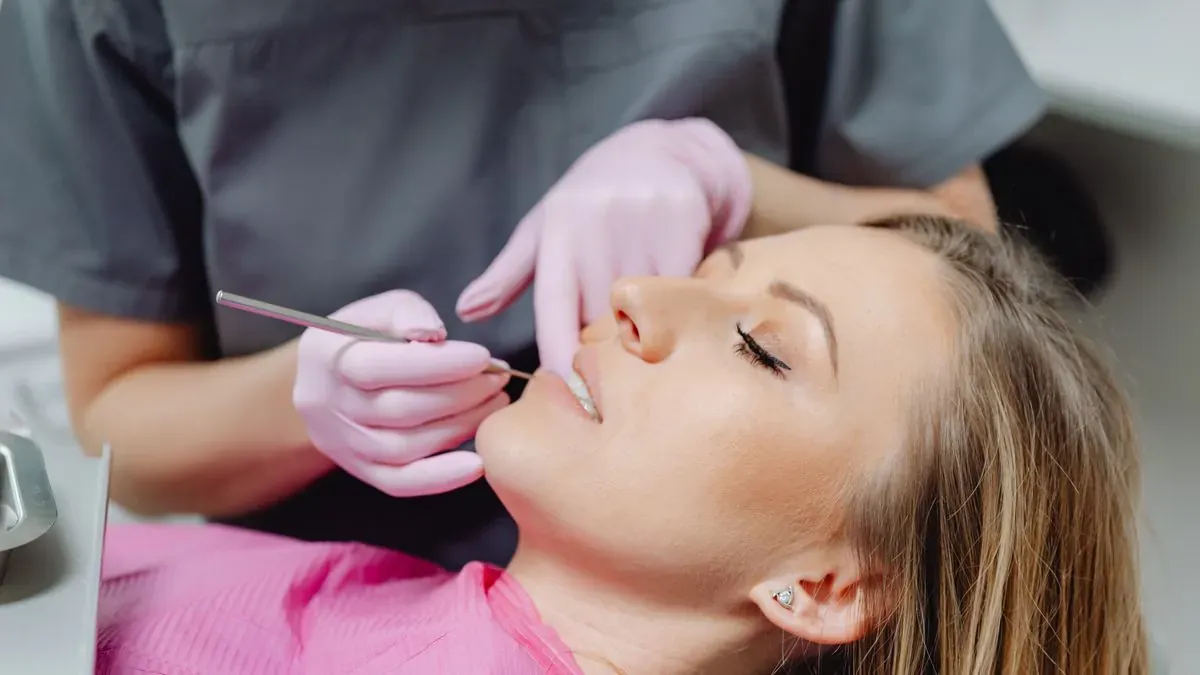
What's the difference between a night guard and a retainer? In short, a retainer holds your teeth where braces or aligners moved them. A night guard takes the force of grinding so your teeth don't. They can look alike, but standard clear retainer plastic isn't rated for grinders, and insurers bill the two under different codes and benefits. So if you need both, ask your orthodontist about one appliance built to do both jobs.
Key Takeaways
Night Guard vs. Retainer: What Each One Is Built to Do
The AAO describes a retainer as a device "designed to keep your teeth in their straightened position after orthodontic treatment." In contrast, a night guard, or occlusal guard, is built to protect teeth from bruxism. For example, UnitedHealthcare's 2026 dental policy lists it for clenching or grinding that causes "excessive wear or fractures of natural teeth or restorations." Here's the night guard vs retainer comparison at a glance.
| Retainer | Night guard | |
|---|---|---|
| Main job | Keep teeth from drifting after braces or aligners | Absorb grinding and clenching force |
| Usually made by | Your orthodontist | Your dentist, or an online lab from an impression |
| Common types | Clear plastic tray, wire (Hawley) or bonded wire | Soft, hard or dual-laminate tray |
| How long you wear it | Often nightly for life, per the AAO | Nightly while you grind or clench |
| Typical cost | $181 for clear plastic, $302 for molded acrylic, $344 for bonded (averages) | $95 to $235 online, $300 to $800+ at a dentist |
| Insurance code | Usually part of orthodontic treatment; replacements D8703 and D8704 | D9944 (hard), D9945 (soft), D9946 (hard, partial arch) |
Retainer averages come from CareCredit's cost list (ASQ360° research, 2023 to 2024), while night guard prices come from our night guard cost guide.
Also note how long each one stays in your life. In fact, according to the AAO, "you'll be required to wear retainers to some degree for the rest of your life," and many people wear them nightly. As a result, a grinder who has had braces may need nighttime protection and nighttime retention for decades, which is why the two questions below matter.
Can a Retainer Work as a Night Guard?
For light grinding, sometimes. For heavy grinding, though, it's the wrong tool. The AAO notes that besides holding teeth in place, "clear retainers can also act as a protective barrier for teeth grinding during sleep." In other words, a clear tray covers the chewing surfaces, so it takes some of the wear instead of your enamel.
However, the material is the catch. Specifically, the directions for use for Essix ACE, a plastic sold for making clear retainers and aligners, say it is "suitable for use with non-bruxers" and "not recommended for bruxers." Its sheets come in 0.75, 0.88 and 1 mm. The same maker also sells a separate plastic, Essix C+, that a distributor markets as an "excellent retainer for bruxers."
So if you grind, ask your orthodontist which material your retainer uses. Then watch for these signs that it isn't holding up:
- Cracks, holes or thin spots over your back teeth
- A retainer that suddenly feels loose, or one that feels tight in the morning
- Jaw soreness or headaches on waking
In addition, a worn-through retainer stops protecting your teeth and can stop holding them, too. For heavier grinding, see our guide to night guards for clenching instead.

Morning jaw pain or headaches can be a sign that your grinding needs more than a thin retainer.
Can a Night Guard Work as a Retainer?
Not unless it was made and approved for that job. A night guard isn't designed to hold teeth in a corrected position. Indeed, UnitedHealthcare's policy lists occlusal guards as not indicated "as an appliance intended for orthodontic tooth movement."
The fit matters because teeth move quickly without retention. The AAO warns that "skipping your retainers for even a few days could cause your teeth to shift significantly."
Meanwhile, wearing both devices at the same time isn't a fix either. Asked whether grinders should wear a night guard and a retainer together, the AAO answers: "Many patients switch to a dual-purpose, custom hard-acrylic retainer that doubles as a protective night guard. Layering two separate devices can alter your bite and is rarely recommended." For background on the terms your dentist uses, also see occlusal guard vs. night guard.
Retainer Night Guard Combos and What They Cost
A combo appliance ends the night guard vs retainer choice with a single custom tray. It's made from an impression of your teeth, thick enough to take grinding and snug enough to hold alignment. Here's what a few options cost, as listed on October 16, 2026.
| Option | What it is | Price |
|---|---|---|
| Chomper Labs Retainer | 1 mm clear retainer, for retention only | $169 per arch |
| Chomper Labs Retainer Night Guard | 1.5 mm version, for retention plus grinding | $179 per arch |
| Sentinel Clear Dental Retainers | Essix Plus retainer, for retention and light grinding | From $165 |
| Orthodontist retainer (average) | Clear plastic, molded acrylic or bonded | $181 to $344 |
| Dentist-made night guard | Custom occlusal guard, protection only | $300 to $800+ |
Product prices are from the Chomper Labs and Sentinel product pages, while orthodontist averages come from CareCredit and dentist night guard prices from our night guard cost guide.
Chart description
Orthodontist retainer averages: clear plastic $181, molded acrylic $302, bonded $344. Online lab retainers and combos: Sentinel from $165, Chomper Labs $169 to $179 per arch. Night guards: $95 to $235 from an online lab, $300 to $800 or more from a dentist.
Before you order a combo online, though, check with your orthodontist. A retainer's whole job is precise fit, so an online lab needs an accurate impression of teeth that are already in their final position. If you're still in your first months after braces, your orthodontist may want to make or approve the appliance.
What Insurance Pays for Each
On insurance, night guard vs retainer is a coding question, because insurers file the two under different parts of your plan. First, a night guard is billed as an occlusal guard, under D9944 (hard, full arch), D9945 (soft, full arch) or D9946 (hard, partial arch). Moreover, plans that cover it usually want proof of grinding damage, which is why UnitedHealthcare's policy ties it to wear or fractures. Our guides to whether insurance covers night guards and how to get a night guard paid for cover the details.
A retainer, by contrast, falls under orthodontic benefits. The AAO says the first set "is often part of the overall orthodontic treatment fee," but "most plans include retainers as part of the initial orthodontic package, so replacements are an out-of-pocket expense." Replacements have their own codes. Since the CDT 2020 code set, they've been billed as D8703 (upper) and D8704 (lower) instead of D8692. A Medi-Cal Dental bulletin adopted them in July 2021, with a $200 maximum allowance for each.
In fact, some plan documents say it outright. For example, the Ohio AARP PPO Protect Propel plan states that "benefits are not paid to repair or replace any orthodontic appliance received under this plan." The AAO adds that you can usually pay for a replacement with an FSA or HSA. For how orthodontic benefits work, also see does dental insurance cover braces.
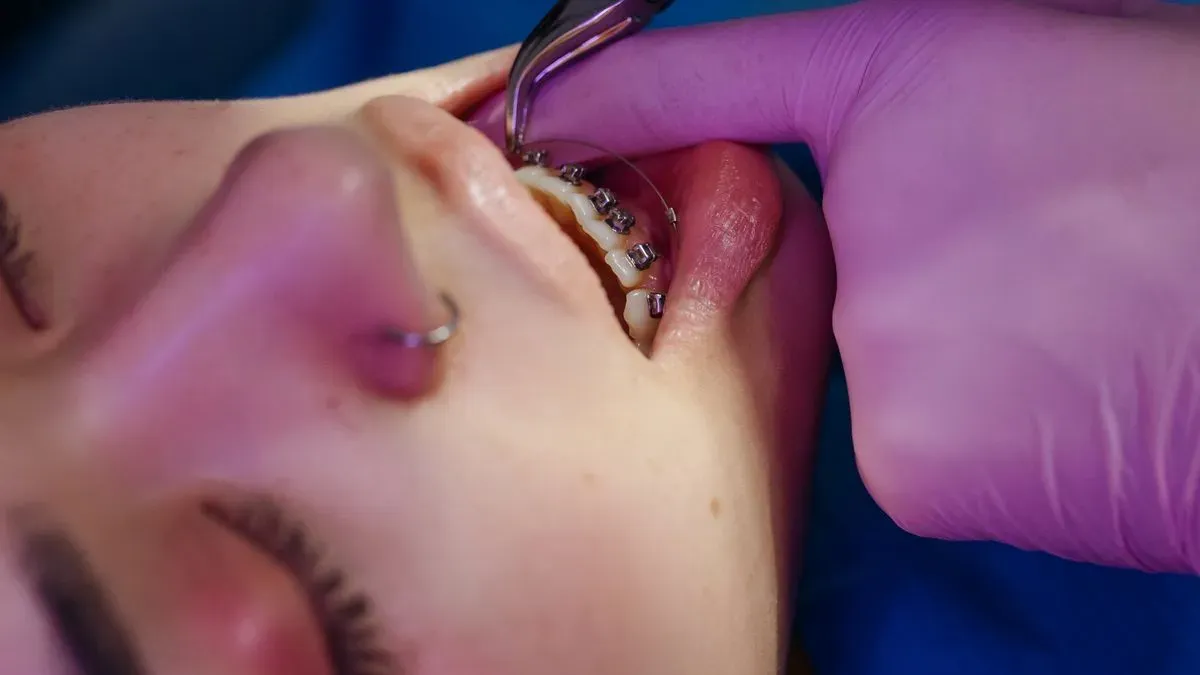
Your first retainer is usually billed with your orthodontic treatment. Replacements often aren't covered.
Which One Do You Need?
To settle the night guard vs retainer question for yourself, start with your history:
- You've had braces or aligners and don't grind. A retainer, as your orthodontist prescribed, is all you need.
- You grind but never had orthodontic treatment. In that case, a night guard is the answer. Our custom vs. boil-and-bite comparison helps you choose one.
- You had braces and grind lightly. Ask whether a sturdier retainer material, such as Essix C+ or Essix Plus, can do both.
- You had braces and grind heavily, or have chipped teeth or crowns. Ask your orthodontist about a dual-purpose hard appliance, and don't layer two devices.
Still, see your dentist first if you have jaw pain, a sore joint, worn-down teeth or dental work at risk. A guard protects teeth, but it doesn't treat the cause of grinding. Our guide to how to stop grinding your teeth covers what does.
Frequently Asked Questions
Can I use my retainer as a night guard?
Only for light grinding, and only if your orthodontist agrees. The AAO says clear retainers can act as a barrier against grinding, but the maker of Essix ACE, a retainer plastic, says it's "not recommended for bruxers." If your retainer cracks or wears thin, you need a sturdier appliance.
Can a night guard keep my teeth from shifting?
Generally, a night guard isn't designed to hold teeth in place. In fact, UnitedHealthcare's dental policy says occlusal guards aren't indicated as an orthodontic appliance. So if you need retention, use the retainer your orthodontist prescribed, or a dual-purpose appliance your orthodontist approves.
Can I wear a night guard and a retainer at the same time?
Usually not. The AAO says layering two separate devices "can alter your bite and is rarely recommended." Instead, many patients switch to one custom hard-acrylic retainer that also works as a night guard.
How much does a retainer night guard combo cost?
Online labs list them from about $165 to $179. Chomper Labs charges $179 per arch for its 1.5 mm Retainer Night Guard, and Sentinel's Essix Plus retainers start at $165. By comparison, a night guard from a dentist typically costs $300 to $800 or more.
Does insurance cover a replacement retainer?
Often not. The AAO says most plans include retainers in the original orthodontic package, so replacements are usually out of pocket. Also, replacement retainers are billed as D8703 (upper) and D8704 (lower), and you can usually pay for them with an FSA or HSA.
Keep Reading on Night Guards
- Dental Night Guards: The Complete Guide Types, costs and coverage in one place.
- Best Night Guard for Teeth Grinding Which guard fits which kind of grinding.
- How to Clean a Night Guard The same care works for clear retainers.
This guide is for general information and isn't medical or dental advice. Talk to your dentist or orthodontist before changing how you protect or retain your teeth.
Sources
- American Association of Orthodontists: Orthodontic Retainers
- American Association of Orthodontists: Are Retainers Necessary After Orthodontic Treatment?
- American Association of Orthodontists: Will My Teeth Keep Moving Post Treatment?
- Dentsply Sirona: Essix ACE Plastic, Directions for Use
- DMI: Essix C+ Plastic product page
- UnitedHealthcare: Dental Clinical Policy, Occlusal Guards (2026)
- Medi-Cal Dental: Provider Bulletin, Volume 37, Number 12 (June 2021)
- CareCredit: Dentist Prices, Dental Procedure Cost List
- Chomper Labs: The Retainer Night Guard
- Sentinel Mouthguards: Clear Dental Retainers