
Some links on this page are affiliate links. If you buy through them, we may earn a commission at no extra cost to you, and it never affects our recommendations. See our affiliate disclosure.
Is a custom night guard worth it over a boil-and-bite? For nightly teeth grinding, usually yes. That question also hides a bigger one, because you can buy a night guard three ways, not two. A drugstore boil-and-bite runs about $15 to $50. An online custom lab guard runs about $95 to $235. A dentist-made guard runs about $300 to $800, sometimes more. This guide weighs a custom night guard vs boil-and-bite on fit, durability, and grinding protection. It also explains what the materials mean, tests whether mail-order guards really work, and points you to a route for your situation.
For whether your plan pays toward any of this, start with does dental insurance cover night guards. This page is about which route to choose (see occlusal guard vs. night guard if you have seen the appliance called that on a form). For the full price breakdown, see how much a night guard costs. For picks of specific products by grinding severity, see the best night guard for teeth grinding guide.
Key Takeaways
- A custom night guard vs boil-and-bite choice is really a three-way one: a drugstore boil-and-bite, an online custom lab guard, or a dentist-made guard.
- For most people with diagnosed nightly grinding, an online custom lab guard is the value pick. It uses the same materials a dental lab uses, at a fraction of the chair price.
- A boil-and-bite is fine for light or occasional clenching, a tolerance trial, or a short-term stopgap. It is not enough for heavy grinding or teeth with crowns, veneers, or bridges.
- Match the material to how hard you grind. Hard acrylic suits heavy grinders, soft suits light clenchers, and dual-laminate splits the difference.
- Online labs remake a guard free when an impression comes out wrong. Even so, a poorly fitting mail-order guard can shift teeth and irritate the gums.
- Dental insurance only pays toward a guard a dentist makes and bills, never an online or drugstore one.
The Three Night Guard Routes, Defined
Nearly every comparison online frames this as “over the counter versus custom” and treats “custom” as a synonym for “the dentist.” That framing skips the route many grinders actually want. Here are all three.
Drugstore boil-and-bite ($15 to $50)
A boil-and-bite guard is a thermoplastic tray. You soften it in hot water, bite into it, and it takes a rough impression of your teeth. The fit is loose to moderate, and the material thins with nightly use. The Cleveland Clinic notes that store-bought guards “aren’t as durable” as custom ones and may need replacing “a few times a year.” A plain stock guard, worn straight from the package, sits a step below even that and is rarely worth buying.
Online custom lab ($95 to $235)
An online lab sends you a putty impression kit, or takes a digital scan file from your dentist. It then fabricates a guard from a model of your teeth. The guard is genuinely custom and uses dental-lab materials. Sentinel Mouthguards prices its guards from about $165 to $235. ClearClub and SportingSmiles start near $95, Chomper Labs runs about $119 to $179, and Remi sits around $139. Most labs remake a guard free if your first impression fails.
Dentist custom ($300 to $800 or more)
A dentist takes an impression or a scan, sends it to a lab, and checks the finished guard in your mouth before you leave. Future adjustments are quick because you are already a patient. The premium buys the appointment and the chairside fit, not a better guard material.
Custom Night Guard vs Boil-and-Bite: How They Compare
Four things separate a custom guard from a boil-and-bite. Fit comes first, because a custom guard sits snug and holds through the night while a boil-and-bite adapts only roughly and tends to work loose. Durability follows the same split, since a custom guard lasts years where a boil-and-bite lasts months. Grinding protection is where the Cleveland Clinic gets blunt, calling store-bought guards “not as effective as custom-made mouth guards for protection against teeth grinding.” Comfort rounds it out, and the same source finds a guard built to your teeth “tends to be more comfortable.” The custom night guard vs boil-and-bite gap runs widest for heavy grinders. It nearly closes for someone who clenches lightly a few nights a week.
What “Custom Fit” Actually Means
A dentist lab and an online lab both build a guard from a model of your own teeth, so both are truly custom. A drugstore package that says “custom fit” or “custom moldable” is describing a boil-and-bite. The fit is approximate, and it fades as the material wears. The test is simple. If the guard did not come from an impression or a digital scan, it is not custom, whatever the box says. That distinction matters for search too. People looking up a “custom fit night guard” usually want a lab-made guard, not a tray you shape over the sink.
Night Guard Materials: Soft, Hard, and Dual-Laminate
Soft thermoplastic guards cushion light or occasional clenching and feel the least bulky. They also wear out fastest. A classic study in the Journal of the American Dental Association found that a soft splint raised jaw-muscle activity in 5 of 10 heavy grinders. A hard splint lowered it in 8 of 10. The study is small and dated, but dentists still lean on its finding.
Hard acrylic guards are the most durable and the usual choice for heavy nightly grinding. They can feel firm for the first few nights.
Dual-laminate guards, which some labs sell as hybrid guards, pair a soft inner surface with a hard outer shell. They give you comfort and durability together, and many online labs make them the default. A poorly fitted guard of any material can shift teeth over months, which is one more reason fit comes first.
Do Online Custom Night Guards Actually Work?
How the impression works
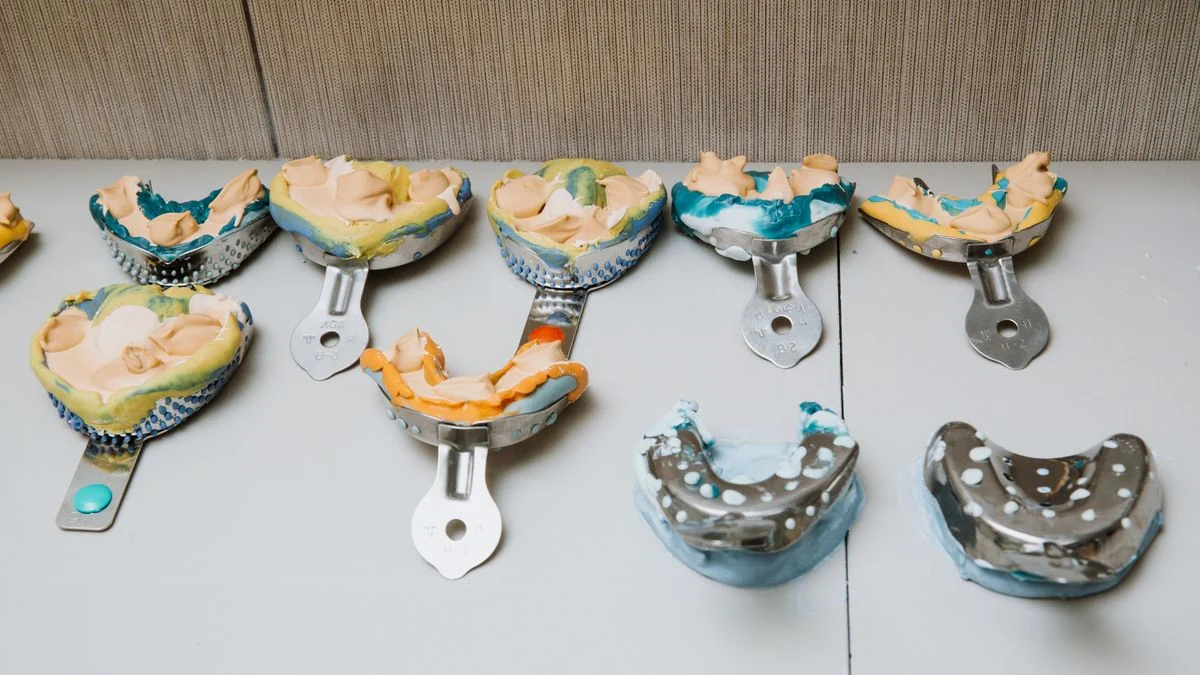
Most labs mail a two-part putty and a tray. You mix the putty, seat the tray, hold still for a few minutes, and send the set impressions back. If you have a dentist, ask for a digital scan file instead, because a scan captures the bite more accurately than a home putty mold.
What goes wrong, and the remake policy
Home impressions fail in predictable ways. Air pockets leave voids, a tray pulled too early distorts the arch, and a rushed bite registration makes the finished guard rock. Sentinel and most reputable labs remake the guard free when the impression is the problem. Read the kit instructions twice, and redo the mold if it looks off.
The honest caveat
A lab guard from a clean impression fits well. A bad one does not, and the risk is real. The American Sleep Association notes that over-the-counter and mail-order guards “are not made to fit your teeth perfectly.” Colgate, citing a British Dental Journal study, links ill-fitting online guards to “tissue damage and teeth movement” and even “a choking hazard.” If you can get a dentist scan, use it.
Which Night Guard Route Is Right for You?
Match the route to how hard you grind and what is already in your mouth.
- Light or occasional clenching, first guard ever: a boil-and-bite or an inexpensive online soft guard tells you whether you can sleep with one before you spend more.
- Diagnosed nightly grinding, healthy teeth, watching the budget: an online custom lab guard in hard acrylic or dual-laminate.
- Crowns, veneers, bridges, implants, or a history of cracked teeth: a dentist-made guard, because the fit around existing dental work needs a chairside check.
- Jaw pain or TMJ as the main symptom: see a dentist, since the appliance design differs and the claim may belong to your medical plan. The medical versus dental split covers that.
- You want insurance to pay: the dentist route, since plans only reimburse a dentist-billed guard. Getting insurance to pay for a night guard walks the steps.
What Each Route Costs
The price bands are wide and they overlap at the edges. A drugstore boil-and-bite runs about $15 to $50. An online custom lab guard runs about $95 to $235, with Sentinel at $165 to $235. ClearClub, SportingSmiles, Chomper Labs, and Remi fill in below that. A dentist-made guard runs about $300 to $800 or more. Insurance only pays toward the dentist route, and even then a plan exclusion can zero it out. With coverage, the dentist guard can still beat its sticker price, and night guard cost with insurance runs that math. HSA and FSA money works for any route. For the full breakdown and how to lower the dentist price, see how much a night guard costs. For picks of specific products by grinding severity, see the best night guard for teeth grinding guide.
Frequently Asked Questions
Is a custom night guard worth it compared to a boil-and-bite?
For nightly grinding, yes. A custom guard fits better, lasts years instead of months, and protects your teeth more effectively, according to the Cleveland Clinic. For light or occasional clenching, a boil-and-bite may be enough. The real question is whether “custom” means a $200 online lab guard or a $600 dentist one.
Do boil-and-bite night guards actually work?
For mild clenching, a trial run, or a short stopgap, they do the job. They fit loosely, thin quickly, and need replacing a few times a year. They also fall short for heavy grinding or teeth with crowns, veneers, or bridges.
Are online custom night guards as good as the ones from a dentist?
The guard itself is comparable, because online labs use the same materials. The dentist adds a chairside fit check and easy adjustments. When your impression comes out clean, an online lab guard fits well, and most labs remake it free when it does not.
What is the difference between a soft and a hard night guard?
Soft guards cushion light clenching and feel less bulky, but they wear out faster and can worsen grinding for some people. Hard acrylic guards are the most durable and the usual pick for heavy nightly grinding. Dual-laminate guards are soft inside and hard outside.
Can I get a custom night guard without going to the dentist?
Yes. An online lab sends an impression kit and you take a mold at home. The lab then builds a custom guard from it for about $95 to $235. If you have a dentist, ask for a digital scan file, which produces a more accurate fit than a home impression.
How much does each type of night guard cost?
Roughly $15 to $50 for a drugstore boil-and-bite, $95 to $235 for an online custom lab guard, and $300 to $800 or more from a dentist. Dental insurance only pays toward a dentist-billed guard.
The Bottom Line
A custom night guard vs boil-and-bite choice really comes down to how hard you grind and what is already in your mouth. A boil-and-bite covers light clenching, trials, and stopgaps. An online custom lab guard is the value pick for most diagnosed grinders on a budget. A dentist-made guard earns its premium when you have extensive dental work, a complicated bite, or you want insurance to pay. On materials, choose hard acrylic for heavy grinding, soft for light clenching, and dual-laminate in between. Whichever route you take, treat the impression as the part that matters, and get a dentist scan if you can. For the coverage rules behind all of this, see does dental insurance cover night guards and the main night guards guide.