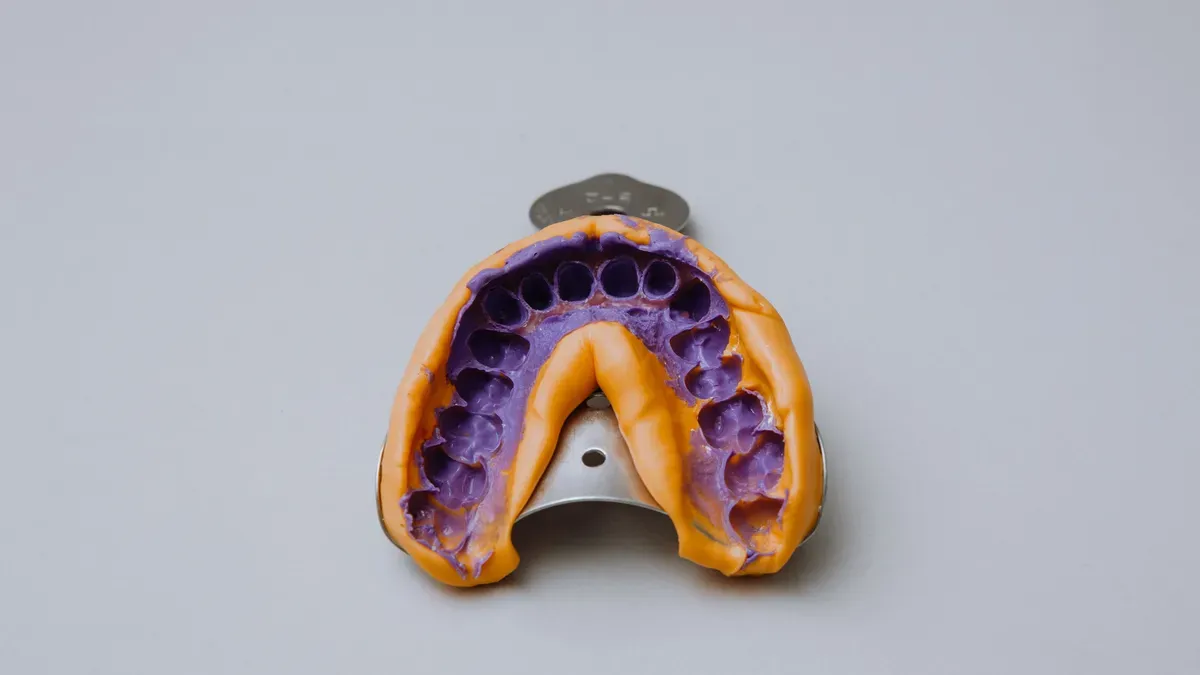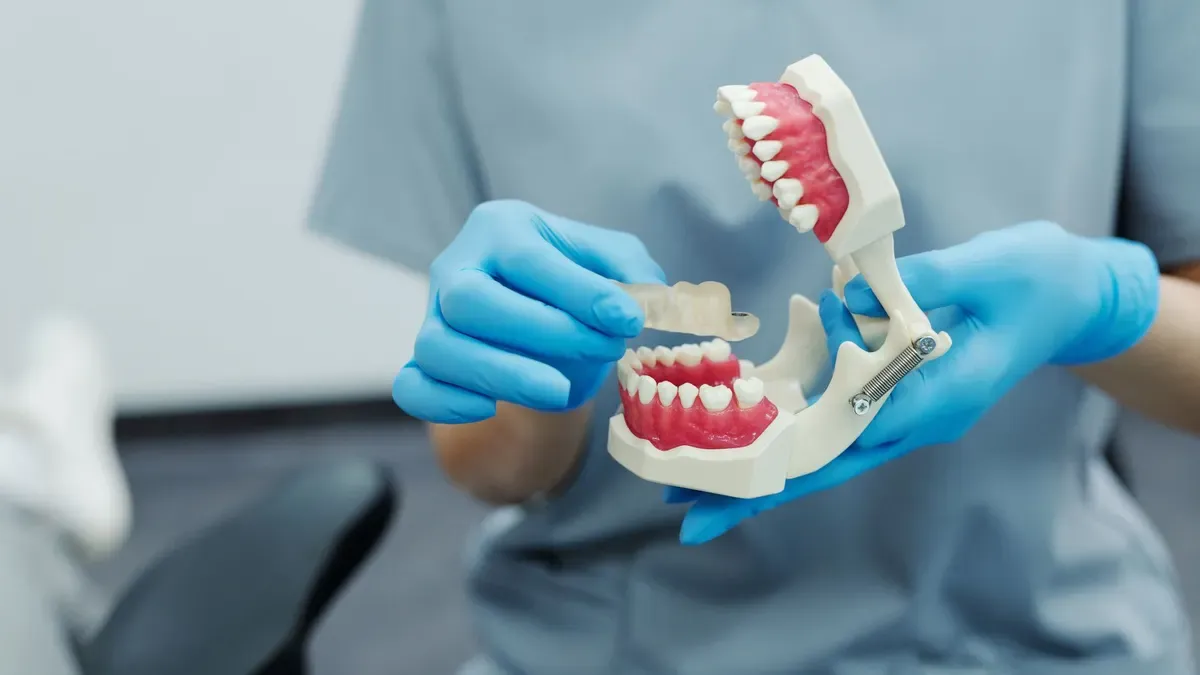
A night guard for TMJ protects your teeth if you grind or clench. But the evidence that it eases jaw-joint pain is weak. In fact, a 2020 review of 52 trials found no proof that splints reduce TMJ pain. Then, in 2023, a BMJ guideline conditionally advised against them for chronic jaw pain and put exercise and therapy first. If you still want one, a hard, full-arch guard that doesn't change your bite is the most conservative choice.
Key Takeaways
Does a Night Guard Help TMJ? What the Evidence Says
TMJ is the joint that hinges your jaw, and temporomandibular disorders (TMD) cause pain or clicking in and around it. The National Institute of Dental and Craniofacial Research (NIDCR) says TMD affects about 5% of U.S. adults. It also notes that many cases "go away on their own."
Three sources sum up what's known about splints and night guards for TMD:
- NIHR systematic review (2020). Researchers pooled 52 randomized trials. They found "no evidence that splints reduced pain" compared with no splint or a minimal treatment. They also rated the evidence as very low quality.
- BMJ clinical practice guideline (2023). For chronic TMD pain lasting three months or more, an international panel took a clear position. It issued "conditional recommendations against reversible occlusal splints" and strong recommendations against irreversible ones. Instead, it strongly recommended cognitive behavioral therapy and therapist-assisted mobilization. It also backed supervised jaw exercise and stretching, plus usual care such as home exercises and education.
- NIDCR (reviewed September 2026). The institute says there is "not a lot of evidence" on whether intraoral appliances improve TMD pain. If a dentist suggests one, it advises making sure the device isn't designed to permanently change your bite.
So a night guard for TMJ isn't a proven pain treatment. Still, a guard clearly protects teeth from grinding damage, and the BMJ recommendation against splints is conditional. The guideline also says shared decision-making is essential. So the choice belongs with you and your dentist, alongside the treatments it ranks higher.
Night Guard vs. TMJ Splint: The Types That Matter
"Night guard," "occlusal splint" and "TMJ splint" often describe the same thing. However, The TMJ Association, a patient advocacy group, separates several designs, and they carry different risks:
| Design | What it covers | What to know |
|---|---|---|
| Stabilization (flat plane) splint | All the upper teeth, with a flat biting surface | Meant to reduce grinding and relax sore muscles. It doesn't stop clenching, so some people get worse. |
| Anterior biteplane | Upper jaw, touching only the six lower front teeth | Keeps back teeth apart. Usually night only, because constant wear may let the back teeth shift. |
| NTI-tss device | A few upper front teeth | Puts heavy stress on those teeth, and it could be swallowed or inhaled if it comes off at night. |
| Repositioning splint | Moves the lower jaw forward or back | Wearing it longer than six weeks raises the risk of permanent bite changes. |
| Over-the-counter boil-and-bite | Molded at home in hot water | Hard to fit well, and it can move teeth. |
Source: The TMJ Association, "Splints." The group also warns that some dentists use a splint as step one of a plan to permanently change your bite with orthodontics or crowns. In fact, it calls that approach unsupported by current evidence.
Our guide to occlusal guards vs. night guards explains the terms on your paperwork. Also, if you're worried about bite changes, see whether a night guard can shift your teeth.
Soft or Hard: Which Night Guard Is Better for TMJ?
Hard is the usual default, and The TMJ Association notes that dentist-made splints are typically hard acrylic. Okeson recorded nighttime jaw-muscle activity in ten people, in a small study in the Journal of the American Dental Association. The hard splint significantly reduced muscle activity in eight of them. By contrast, the soft splint reduced it in only one person and significantly increased it in five.
That study is from 1987 and had only ten participants, so treat it as a caution, not a verdict. Even so, it matches The TMJ Association's warning that a splint can increase clenching in some patients. So if your jaw feels worse after a few weeks with a soft guard, a hard one is the usual next step.
Jaw pain that lasts more than a few weeks deserves a diagnosis before you buy any appliance.
Can a Night Guard Make TMJ Worse?
Yes, for some people. In particular, The TMJ Association notes that a splint can cause or increase clenching and grinding in some patients. Similarly, NIDCR's advice is to stop using an appliance that causes pain and to see your dentist. Watch for these signs:
- Jaw pain or headaches that are worse in the morning than before you started.
- Your back teeth no longer meet the way they used to.
- You clench harder while wearing it than you did before.
- The guard covers only some of your teeth.
In any of these cases, stop wearing the guard and book a dental visit. Then a dentist can readjust a guard they made. On the other hand, a drugstore or online guard has no chairside adjustment.
What a Night Guard for TMJ Costs
The price depends on who makes it, as our dental night guard guide shows:
| Route | Typical price | Fit for TMJ |
|---|---|---|
| Drugstore boil-and-bite | $15 to $50 | Short-term only; hard to fit and can move teeth |
| Online custom lab | $110 to $235 | Fine for grinding without a TMJ diagnosis; no chairside adjustment |
| Dentist-made guard or splint | $300 to $800+, sometimes $1,000+ | The usual route for diagnosed TMD, with follow-up adjustments |
Source: our dental night guard guide, with prices updated in October 2026. For a TMJ splint, ask whether follow-up visits are included. The dentist will usually check and readjust it over time. In addition, our full night guard cost breakdown has the details.
Who Pays: Your Dental Plan or Your Medical Plan?
This is where TMJ differs most from ordinary grinding. Dental plans bill night guards under CDT codes D9944, D9945 and D9946. They usually cover them for tooth protection, not for jaw pain.
UnitedHealthcare's two 2026 policies show the split clearly:
- Dental policy (effective January 2026). Occlusal guards are indicated for bruxism or clenching "resulting in excessive wear or fractures," and they are not indicated "for treatment of temporomandibular disorders." Instead, the policy sends TMJ devices to the company's medical policy.
- Medical policy (effective October 2026). It lists occlusal splints, both stabilization and repositioning types, as "proven and medically necessary" for TMJ disorders. However, it calls multiple splints, such as separate day and night splints, unproven. It also warns that "many benefit documents have explicit exclusions" for TMJ treatment.
In addition, state law can change the answer. Minnesota, for example, requires health plans to cover surgical and nonsurgical TMJ treatment the same way they cover "any other joint in the body." Ask your state insurance department whether a similar rule applies where you live.
In practice, then, a TMJ splint typically needs a diagnosis, a medical-plan claim and often a predetermination. Our playbook on getting insurance to pay for a night guard covers the paperwork. Also, for dental-only coverage, see whether dental insurance covers night guards.
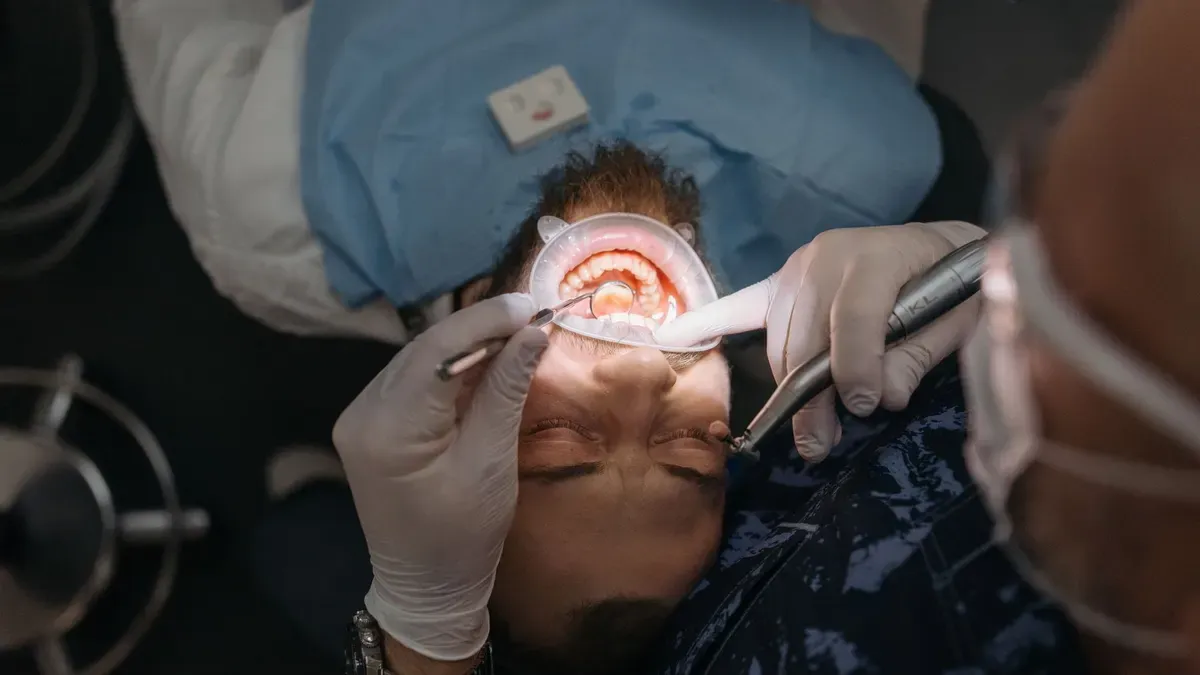
A TMJ diagnosis from a dentist or doctor is usually what a medical plan needs before it pays for a splint.
Should You Buy a Night Guard for TMJ Online?
It depends on what's driving your symptoms. See a dentist or an orofacial pain specialist first in some cases. These include jaw locking, limited opening, a recent injury, or pain that has lasted more than a few weeks. Likewise, if you're already in TMJ treatment, keep the appliance with the dentist who manages it.
However, your main problem may be grinding or clenching, with sore teeth or mild morning jaw tiredness and no TMJ diagnosis. In that case, an online custom guard is a reasonable, cheaper route. In that case, choose a hard, full-arch guard, and stop if your jaw feels worse. Our Sentinel Mouthguards review covers one such lab's prices and fine print.
Frequently Asked Questions
Does a night guard help TMJ?
It protects teeth from grinding, but trials haven't shown that splints reduce TMJ pain. Therefore, if you're considering one, decide with a dentist, alongside jaw exercises and other first-line treatments.
Is a TMJ splint the same as a night guard?
Often, yes. A stabilization splint is a hard, full-arch night guard. However, repositioning splints and devices that cover only a few teeth are different. They carry a risk of changing your bite.
Should a night guard for TMJ be hard or soft?
Hard is the usual choice. In a small 1987 study, hard splints reduced nighttime jaw-muscle activity in eight of ten people. Soft splints, by contrast, increased it in five.
Does insurance cover a night guard for TMJ?
Usually not under a dental plan, because it covers guards for tooth wear. A medical plan may cover a TMJ splint with a diagnosis, unless the plan excludes TMJ treatment. Some states, such as Minnesota, require coverage.
What else helps TMJ pain?
The 2023 BMJ guideline strongly recommends jaw exercise and stretching, plus therapist-assisted mobilization. It also backs manual trigger point therapy, postural exercise and cognitive behavioral therapy. NIDCR also suggests soft foods, heat or cold, and reducing habits like gum chewing.
The Bottom Line
A night guard for TMJ is a tooth-protection tool with an uncertain effect on jaw pain. So if you grind, a hard, full-arch guard is a sensible buy. However, if your jaw hurts, start with a diagnosis and the treatments guidelines rank highest. And avoid any device meant to change your bite. Before you pay, ask whether the claim should go to your medical plan.
This guide is for general information and isn't medical or insurance advice. See a dentist or doctor about jaw pain, and confirm coverage with your plan.
Sources
How we gathered the data: on November 4, 2026, we read the NIDCR page on TMD and the 2023 BMJ guideline and 2020 NIHR review abstracts. We also read The TMJ Association's page on splints, UnitedHealthcare's 2026 dental and medical policies, and Minnesota Statutes section 62A.043. Night guard prices come from our dental night guard guide, updated in October 2026.
- NIDCR: TMD (Temporomandibular Disorders)
- Busse JW et al. Management of chronic pain associated with temporomandibular disorders: a clinical practice guideline. BMJ, 2023
- Riley P et al. Oral splints for patients with temporomandibular disorders or bruxism: a systematic review and economic evaluation. Health Technology Assessment, 2020
- Okeson JP. The effects of hard and soft occlusal splints on nocturnal bruxism. JADA, 1987
- The TMJ Association: Splints
- UnitedHealthcare Dental Clinical Policy: Occlusal Guards (effective January 1, 2026)
- UnitedHealthcare Medical Policy: Treatment of Temporomandibular Joint Disorders (effective October 1, 2026)
- Minnesota Statutes 2026, section 62A.043