

Some links on this page are affiliate links. If you buy through them, we may earn a commission at no extra cost to you, and it never affects our recommendations. See our affiliate disclosure.
How much does a dental night guard cost, and does insurance help? A dentist-made guard runs $300 to $800 or more. An online lab makes a custom guard for about $95 to $235. At the drugstore, a boil-and-bite guard costs under $50. Dental insurance covers night guards on some plans. It usually pays around 50% after the deductible and no more than once every few years, and many basic plans exclude them. So after the deductible, a frequency limit, and the annual maximum, a “covered” guard from the dentist often still costs $150 to $400 out of pocket.
Below you will find what each buying route costs and is actually worth. You will also see what your plan covers once the fine print is applied, the material types, how to choose, and where to order if you skip the dentist chair.
Key Takeaways
- Prices fall into three tiers: drugstore boil-and-bite at $15 to $50, a custom guard from an online lab at roughly $95 to $235, and a dentist-made guard at $300 to $800 or more.
- Where a plan covers an occlusal guard, it typically pays about 50% of the allowed amount after the deductible, with a frequency limit of one guard every one to five years depending on the plan.
- Because of the deductible, the allowed-amount rule, the frequency limit, and the shared annual maximum, a “covered” dentist guard still commonly costs $150 to $400 out of pocket.
- Night guards are billed under CDT codes D9944, D9945, and D9946. Plans classify these inconsistently, so ask your carrier about the exact code.
- A night guard treats bruxism, so it qualifies for HSA and FSA money whether you buy from a dentist or an online lab.
- For straightforward nighttime grinding, an online custom guard is usually the better value. The dentist guard earns its premium when you have existing tooth damage, a complex bite, or TMJ under treatment.
What a Night Guard Costs, by Route
A night guard is a custom or semi-custom plastic device that covers your upper or lower teeth and absorbs the force of grinding and clenching during sleep. The price depends almost entirely on how it is made, not on the plastic itself. Three routes are available, and they separate cleanly by price.
Drugstore boil-and-bite ($15 to $50)
Sold at any pharmacy, these guards soften in hot water so you can bite an impression into them at home. The Oral-B Nighttime guard runs about $19, and the DenTek Professional-Fit guard about $21. They fit loosely, feel bulky, and wear through in months. Use one as a two-week bridge while you arrange something better, not as a long-term device.
Online custom lab ($95 to $235)
Here you order online and a home impression kit arrives. Then you take a putty mold of your teeth, or send a dentist’s digital scan, and a dental lab fabricates a custom guard in the same materials a dentist would use. Sentinel Mouthguards prices its guards from $165 to $235, Chomper Labs runs about $159 to $179, and ClearClub and SportingSmiles both start near $95. Turnaround is usually one to two weeks.
Dentist-made ($300 to $800+, sometimes $1,000+)
The dentist takes an in-office scan or mold, sends it to a lab, and fits the finished guard at a follow-up visit. This route gives you the most durable result and professional adjustment, and it is the only route where dental insurance may pay part of the bill.
The table below adds the column no competitor includes: what you actually pay after insurance is applied.
| Route | Typical price | Custom fit | Insurance | Realistic out of pocket |
|---|---|---|---|---|
| Drugstore boil-and-bite (Oral-B, DenTek) | $15 to $50 | No | Not applicable | $15 to $50 |
| Online custom lab (Sentinel, Chomper Labs, ClearClub, SportingSmiles) | $95 to $235 | Yes, home impression | Rarely billable | $95 to $235 |
| Dentist-made, no insurance | $300 to $800+ | Yes, in-office scan | None | $300 to $800+ |
| Dentist-made, with a plan that covers it | $300 to $800+ | Yes | About 50% after deductible, frequency-limited | About $150 to $400 after deductible and cap |
The point of that last row: a “covered” dentist guard and an uncovered online guard often land within $100 of each other, and the online guard carries no waiting period, no frequency limit, and no claim to argue.
Full cost breakdown: how much does a night guard cost, including the itemized dentist markup and what a guard costs you over several years.
Does Dental Insurance Cover Night Guards?
Some plans do, partially. Where a plan covers an occlusal guard, it usually pays about 50% after the deductible, no more than once every one to five years. Many basic plans, however, exclude guards outright or require documented medical necessity such as visible tooth wear or a TMJ diagnosis. Delta Dental plans illustrate the spread: some pay 50% after the deductible, while others cap the benefit at $200 or limit it to one guard every five years. Our guide on whether Delta Dental covers night guards breaks this down by product.
Why “50% covered” rarely means half price
Four things sit between the coinsurance percentage and your bill. First, the deductible comes off the top, usually $50 to $100. Second, the plan pays its percentage of the allowed amount it sets, not the dentist’s actual fee. Third, a frequency limit means a replacement guard inside the covered window is entirely your cost. Fourth, the guard draws down your annual maximum, which every other claim that year also shares.
See the worked examples: night guard cost with insurance, calculated step by step.
Ask your carrier about the code
Night guards are billed under three CDT codes: D9944 (hard guard, full arch), D9945 (soft guard, full arch), and D9946 (hard guard, partial arch). Some plans file these under major services with a waiting period, some under basic services, and some exclude them. Knowing the code lets you ask the exact question rather than a vague one. If a claim is denied, our guide to getting insurance to pay for a night guard walks the predetermination and appeal. For the deep version, see our full guide to whether dental insurance covers night guards, including why plans classify occlusal guards so differently.
Why a Dentist Night Guard Costs $300 to $800
You are paying for the exam, the impression or 3D scan, the lab fee, the fitting appointment, and the practice’s overhead. The device itself is a small fraction of that total. Most dentists do not mill guards in the office; they take a mold, mail it to a lab, and add exam and adjustment charges on top of the lab bill.
The online model strips out the appointments, which is where most of the cost sits. Materials are not the difference. Our custom night guard vs boil-and-bite comparison weighs the drugstore, online lab, and dentist routes side by side. A reputable online lab uses the same dental-grade acrylics and the same fabrication process, so the price gap reflects the delivery model rather than the product. That is also the honest answer to the common question of why dentist guards seem so expensive.
Night Guard Types and Materials
Before you buy, it helps to know what you are choosing between. The differences are real but not complicated.
Soft, hard, and dual-laminate
Soft guards suit light grinders and clenchers and feel the most comfortable at first, though they wear faster. Hard acrylic guards suit heavy grinders and last the longest. Dual-laminate guards, soft on the inside and hard on the outside, sit in the middle and are the most common recommendation for moderate grinding. Sentinel and most online labs offer all three.
Upper versus lower
Most night guards fit the upper teeth. A lower guard is an option for people who gag easily or have specific bite issues, and a dentist or lab can advise which arch fits your case.
Occlusal guard, bite splint, and mouthguard
“Occlusal guard,” “night guard,” and “bite splint” all name the same device for grinding and clenching. A sports mouthguard is a different product built to absorb impact. A sleep-apnea appliance looks similar but is a medical device that bills to medical insurance, not dental.
Buying a Custom Night Guard From an Online Lab
The process is straightforward. You order online and a kit arrives. Then you take a putty impression at home, or send your dentist’s digital scan file. The lab fabricates a custom guard in dental-grade material, and it ships in one to two weeks. As a result, the cost is roughly a third of the dentist price for a comparable device.
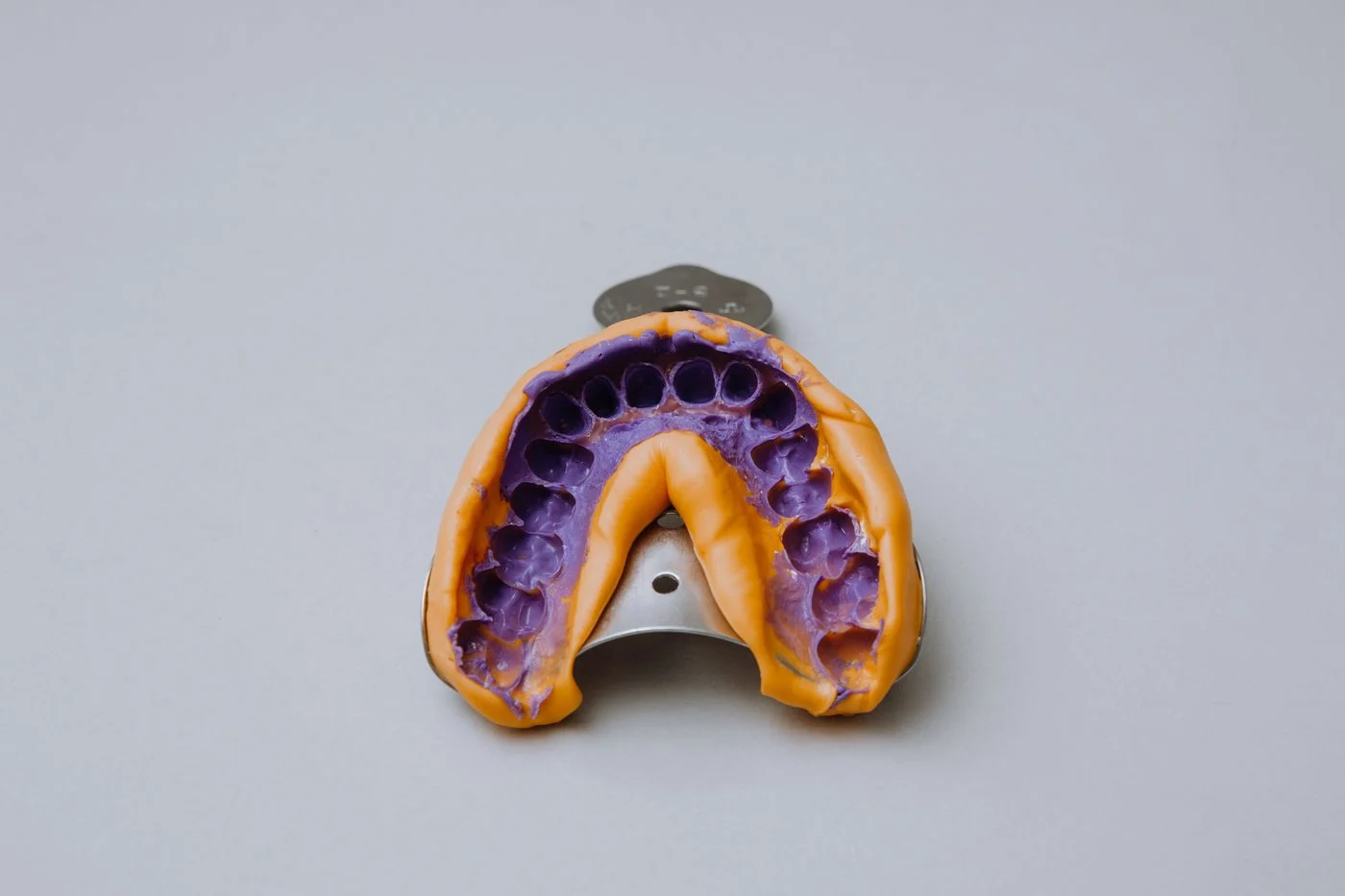
When you compare labs, look for a real choice of material (soft, hard, or dual-laminate), a remake or fit guarantee, and genuine dental-lab fabrication rather than a mail-order tray. Sentinel Mouthguards offers four guard styles from $165 to $235. Its service also includes a home impression kit, the option to email a dentist’s STL or PLY scan file, three remake attempts, and a 100-night outcome guarantee. Chomper Labs, ClearClub, and SportingSmiles run similar models and price points, so compare material options and guarantees before you pick one.
Is a Night Guard From the Dentist Worth It?
The Reddit and Quora threads that rank for this topic all ask the same thing: is the expensive one actually better? Here is the direct answer.
A dentist guard earns its premium in a few clear cases: heavy grinding with existing tooth wear or fractures, a complex bite, TMJ under active treatment, or a plan that genuinely covers guards well. An online custom guard is the better value when you have straightforward nighttime grinding and no major dental work in progress. It also wins when the plan excludes guards or the after-insurance price sits close to retail. A drugstore guard, meanwhile, works only as a short-term bridge, never as a lasting device.
Paying With HSA or FSA
A night guard is a qualified medical expense because it treats bruxism, so HSA and FSA funds pay for it whether you buy from a dentist or an online lab. This is the one payment route that works for the online option, since insurance rarely does. For product picks by grinding severity, see the best night guard for teeth grinding guide.
Keep your receipt. Unlike teeth whitening, which the IRS explicitly excludes, a night guard for grinding does not usually need a letter of medical necessity.
How Long a Night Guard Lasts and When to Replace It
A hard acrylic guard lasts three to five years with normal use. A soft guard lasts one to three years. A drugstore guard lasts a few months. Heavy grinders wear any guard faster, which is part of why a durable hard guard can be worth more up front.
Replace a guard when it cracks, thins at the bite points, stops fitting snugly, or holds an odor that cleaning does not remove. A guard that no longer fits well protects your teeth poorly and can shift them.
Night Guard Downsides and Alternatives
Guards are not perfect. Expect some initial soreness, more saliva or a dry feeling for the first week, and an adjustment period of a few nights. A guard also protects the teeth without stopping the grinding itself, so the underlying habit continues.
People commonly ask about alternatives. Treating the cause, whether that is stress, poor sleep, or a bite issue, addresses the grinding rather than only the damage. A retainer is not a substitute, because it is not built to take heavy clenching force and will crack under it.
Frequently Asked Questions
How much does a dental night guard usually cost?
A drugstore guard costs $15 to $50, an online custom lab guard costs $95 to $235, and a dentist-made guard costs $300 to $800 or more. With a plan that covers it, a dentist guard often still runs $150 to $400 after the deductible and the annual maximum.
Does dental insurance cover night guards?
Some plans cover them at about 50% after the deductible, usually once every one to five years. Many basic plans exclude occlusal guards or require documented tooth wear or a TMJ diagnosis. Ask your carrier specifically about codes D9944, D9945, and D9946.
Are online custom night guards as good as the dentist’s?
For straightforward nighttime grinding, yes. They use the same dental-grade materials and a custom impression of your teeth. A dentist guard is worth the premium for heavy grinding with existing tooth damage, a complex bite, or TMJ under treatment.
Why are night guards from the dentist so expensive?
The price covers the exam, the impression or 3D scan, the lab fee, the fitting appointment, and practice overhead. The device itself is a small part of the bill, which is why the online model costs about a third as much.
Can I use HSA or FSA money for a night guard?
Yes. A night guard treats bruxism, so it counts as a qualified medical expense whether you buy it from a dentist or an online lab. Keep the receipt with your tax records.
How long does a night guard last?
A hard guard lasts three to five years, a soft guard one to three years, and a drugstore guard a few months. Replace it when it cracks, thins, loosens, or holds an odor after cleaning.
The Bottom Line
Night guards come in three price tiers, and the after-insurance math matters more than the sticker price. For straightforward grinding, an online custom guard near $150 is usually the best value. That is because a “covered” dentist guard often costs as much once the deductible, frequency limit, and cap are applied. For heavy grinding with tooth damage, a complex bite, or a plan that covers guards well, the dentist is worth it. The drugstore guard, however, is a bridge and not a solution. If cost is the real barrier, our guide on fixing your teeth without money covers wider options, and how dental insurance works explains the mechanics behind the coverage math above.
Related Guides
- What Is the Annual Maximum on Dental Insurance?
- Dental Insurance Exclusions Explained
- Dental Insurance Waiting Periods Explained
- Does Dental Insurance Cover Cosmetic Dentistry?
- How Does Dental Insurance Work?
This guide is general information, not dental or financial advice. Coverage terms vary by plan and state. Confirm any procedure and its cost with your dentist and your insurer before you buy.