
What is AARP dental insurance? It's a set of four individual dental plans that Delta Dental sells to AARP members. There are three PPO plans, plus a DeltaCare USA plan in 18 states and DC. When we ran Delta's own quote tool in nine ZIP codes, a single adult was quoted $28.58 to $83.26 a month, above every "starting at" price Delta advertises. In most states we checked, two of the three PPO plans also refuse to pay for a first denture or implant that replaces teeth pulled before your Delta Dental coverage.
Key Takeaways
What AARP Dental Insurance Is (and Who Actually Insures You)
AARP dental insurance is sold as the "AARP Dental Insurance Plan, administered by Delta Dental Insurance Company." However, the company that insures you depends on your state. In fact, according to the plan disclosures on Delta's AARP site, Delta Dental Insurance Company insures the plan in 19 states and territories. Dentegra Insurance Company covers 33 states, and Dentegra Insurance Company of New England covers Massachusetts.
The same disclosure is also direct about the money. "Delta Dental Insurance Company pays royalty fees to AARP for use of its intellectual property," it says, and "AARP and its affiliates are not insurers." In other words, the AARP name is an endorsement Delta pays for. So it doesn't add a second layer of coverage.
Before you can enroll, you need an active AARP membership. According to AARP's membership page, it costs $15 for the first year with automatic renewal, then renews at $20 a year. Anyone 18 or older can join, so you don't have to be retired or on Medicare.
Beyond that, the rules are simple. For one thing, there are no health questions, and Delta says acceptance is guaranteed for AARP members. In addition, you can enroll at any time, and coverage starts on the first day of a month. Similarly, your spouse or partner and unmarried children or grandchildren under 26 can join your plan. However, according to Delta's AARP FAQ, you can add them within 90 days of enrolling. After that, you'll need a qualifying event such as a marriage.
The Four AARP Dental Plans Compared
All four plans cover cleanings, fillings, crowns and dentures. However, they differ in how they pay and when, as the published terms show.
| Plan | Deductible | Annual maximum | Wait for major work | You pay on a crown | Implants |
|---|---|---|---|---|---|
| PPO Protect Plus | $40 | $2,000 | 9 months | 50% | Covered at 50% after 9 months |
| PPO Protect Propel | $75 | $1,000 in year 1, rising to $3,000 in year 4 | None | 90% in year 1, then 75%, 60% and 50% | Same sliding scale |
| PPO Protect | $90 | $1,000 | 12 months | 50% | Not covered |
| DeltaCare USA Essential | $0 | No cap | None | Fixed copay ($185 to $395 in Ohio) | $1,005 copay |
These plan terms come from Delta's AARP plan comparison page as well as the Ohio quote. Also, the PPO deductibles don't apply to exams, cleanings and X-rays. Protect Plus and Protect Propel pay those in full, but PPO Protect pays only 80%, so you owe 20% of every cleaning.
Then there's the Propel ramp. Specifically, its percentages improve over four years (two in New York). Its annual maximum also rises from $1,000 to $3,000 by year four ($1,750 in Washington, Puerto Rico and the Virgin Islands). In California, none of these plans has had a waiting period since January 1, 2025.
Finally, DeltaCare USA works like an HMO. In practice, you choose a DeltaCare dentist, pay a set copay for each service and need a referral for a specialist. Currently, it's sold in Arizona, California, Colorado, DC, Florida, Georgia, Illinois, Kentucky, Maryland, Michigan, Missouri, Nevada, New Mexico, New York, Ohio, Pennsylvania, Tennessee, Texas and West Virginia.
What AARP Dental Insurance Costs: Real Quotes in 9 ZIP Codes
At first glance, Delta's AARP pages advertise prices "starting at" $52.24, $44.44, $32.16 and $27.80 a month. However, each is a single-enrollee example from one or two states. So to see real prices, we ran Delta's quote tool on October 15, 2026, for one adult with coverage starting November 1, 2026.
| ZIP code (city) | Protect Plus | Protect Propel | Protect | DeltaCare USA |
|---|---|---|---|---|
| 43215 (Columbus, OH) | $56.93 | $46.98 | $32.86 | $36.97 |
| 85004 (Phoenix, AZ) | $65.91 | $54.39 | $43.32 | $31.29 |
| 33602 (Tampa, FL) | $65.91 | $54.39 | $43.32 | $33.71 |
| 75201 (Dallas, TX) | $65.91 | $54.39 | $43.32 | $32.69 |
| 27601 (Raleigh, NC) | $65.91 | $54.39 | $43.32 | Not offered |
| 50309 (Des Moines, IA) | $65.91 | $54.39 | $43.32 | Not offered |
| 98101 (Seattle, WA) | $64.72 | $53.40 | $40.03 | Not offered |
| 10001 (New York, NY) | $74.34 | $63.38 | $43.50 | $31.86 |
| 90012 (Los Angeles, CA) | $83.26 | $61.34 | $55.31 | $28.58 |
These are monthly premiums for one adult, from Delta Dental's AARP quote tool on October 15, 2026. Note also that Texas lists the PPO plans as "DPO" plans.
The table shows three patterns. First, five states quoted identical PPO prices, so the price you hear from a friend in another state may be right after all. Second, Columbus came closest to the advertised prices but still matched none of them. Third, DeltaCare USA was the cheapest plan everywhere except Ohio, where it cost more than PPO Protect.
In addition, a second person roughly doubles the PPO price. For example, in Tampa, two people paid $130.26 a month for Protect Plus and $55.02 for DeltaCare USA. Paying yearly saves a little: in Columbus, Protect Plus cost $669.60 a year instead of $683.16 in monthly payments. Delta also says your rate stays fixed for two years, except in North Carolina.
One Crown in Ohio: What Each Plan Really Costs
To see what a plan pays back, we priced one porcelain crown at $1,231. That's the Ohio average in CareCredit's 2024 cost research. We added two cleanings a year at $223 each, the Ohio average in CareCredit's cleaning data. Then we used the Columbus premiums and each plan's deductible, waiting period and coinsurance.
| Plan (Columbus, OH) | Premiums, year 1 | You pay on a crown in month 3 | Year-1 total | 2-year total, crown in month 13 |
|---|---|---|---|---|
| Protect Plus | $683 | Full $1,231 (still waiting) | $1,914 | $2,002 |
| Protect Propel | $564 | $1,115 (you pay 90%) | $1,679 | $2,070 |
| Protect | $394 | Full $1,231 (still waiting) | $1,715 | $1,628 |
| DeltaCare USA | $444 | Up to $395 | $849 | $1,302 |
| No insurance | $0 | $1,231 | $1,677 | $2,123 |
These totals include what you'd pay for the two cleanings a year (20% on Protect, $5 copays on DeltaCare). However, they leave out the $15 AARP membership.
Chart description
Crown in month 3, first-year total: Protect Plus $1,914, Protect Propel $1,679, Protect $1,715, DeltaCare USA $849, no insurance $1,677. Crown in month 13, two-year total: Protect Plus $2,002, Protect Propel $2,070, Protect $1,628, DeltaCare USA $1,302, no insurance $2,123.
If you need the crown soon, every PPO costs at least as much in year one as paying the dentist yourself. In fact, Propel's "no waiting period" pays just $115.60 of the crown. On a two-year view, however, PPO Protect saves about $495 and DeltaCare USA about $821.

Add up a full year of premiums and your share of the bill before you compare plans.
Is AARP Dental Insurance Worth It?
It's worth it when you can wait out the first year, or when a DeltaCare USA dentist near you suits you. By contrast, it's rarely worth it for one urgent procedure. As a quick test, add 12 months of premiums to what you'd pay on the work you expect. Then compare that with the dentist's cash price.
Still, keep two caveats in mind. CareCredit's averages are prices without insurance, and PPO network fees are often lower, so your real share can be smaller. Meanwhile, DeltaCare USA only works at the dentist you choose, and our Columbus quote listed 29 DeltaCare dentists nearby against 838 PPO dentists. For a general version of this math, also see whether dental insurance is worth it.
Already Missing Teeth? Read This Clause First
Many seniors shop for AARP dental insurance because they need a bridge, a denture or an implant. That's also where the plan documents differ most. To check, we downloaded the Limitations and Exclusions documents for all three PPO plans in Arizona, California, Florida, Iowa, New York, North Carolina and Ohio.
As a result, we found that in six of those seven states, PPO Protect and PPO Protect Plus include the same rule. The Protect Plus version reads: "The initial installation of a Prosthodontic appliance and/or Implant is not a Benefit unless the Prosthodontic appliance, Implant, Bridge or Denture is made necessary by natural, Permanent Teeth extraction during a time You were eligible under a Delta Dental program." Put simply, if a tooth was pulled before you had Delta Dental, these plans won't pay for its first replacement.
In contrast, the clause doesn't appear in any Protect Propel document we read, and it's missing from all three California documents. Outside California, that makes Propel the only PPO plan that will pay toward replacing teeth you've already lost. However, the catch is the ramp: you pay 90% of an implant or denture in year one, 75% in year two and 50% from year four.
Was the Tooth Pulled Under Another Delta Dental Plan?
Note the exact wording, too. It says "a Delta Dental program," not "this plan." So if a tooth was pulled while you had Delta Dental through work, ask Delta in writing whether that history counts. We couldn't read DeltaCare USA's Ohio exclusions document, so ask for its Evidence of Coverage. For an overview of how this clause works across other insurers, see our guide to common exclusions in senior dental insurance.
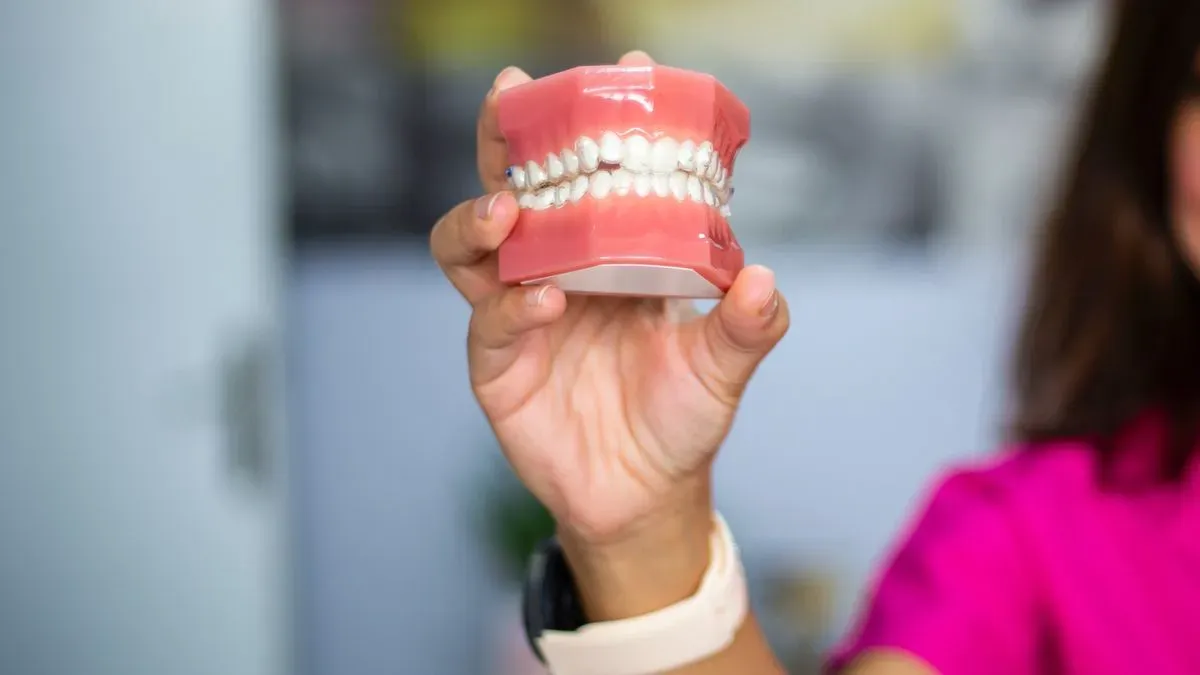
In most states, two of the three AARP PPO plans won't pay for a first denture or implant that replaces teeth lost before Delta coverage.
Fine Print That Matters After 65
In addition, the Ohio plan documents add several rules that affect older mouths most. Your state's documents may word them differently, so read your own before you enroll.
- White fillings on back teeth. PPO Protect and Protect Plus pay tooth-colored fillings on back teeth only up to the price of a silver (amalgam) filling. You pay the difference.
- Porcelain crowns on molars. Similarly, Protect Propel pays porcelain crowns on lower molars and upper back molars at a lower "alternate benefit" allowance.
- Crown replacement. All three PPO plans replace a crown at most once every five years.
- Gum disease care. Periodontal maintenance cleanings count as basic care, not preventive. On Propel, that means you pay 60% of them in year one, and they share the limit of two cleanings a year.
- Full-mouth X-rays. On Protect and Protect Propel, a full series or a panoramic image is covered once every 60 months.
The enrollment rules matter too. For example, according to the Ohio Certificate of Coverage, you commit to at least 12 months. Cancel after that and you can't rejoin for 12 months, and Propel starts over at year one. You can switch plans once a year on your enrollment anniversary, but a switch in the first 24 months restarts any waiting period. On the plus side, Delta refunds you in full if you cancel within 30 days without using benefits.
AARP Dental Insurance vs. AARP Medicare Advantage
Two different products carry the AARP name, and search results often mix them up. First, the AARP Dental Insurance Plan is standalone dental coverage from Delta Dental. Because it only requires AARP membership, any member can buy it, with or without Medicare. AARP Medicare Advantage plans, on the other hand, are Medicare health plans from UnitedHealthcare. In this case, the dental benefits are part of the medical plan, and UnitedHealthcare says they vary by plan.
After all, Original Medicare is the reason both exist. Medicare.gov says that "in most cases, Medicare doesn't cover dental services like routine cleanings, fillings, tooth extractions (removals), or items like dentures and implants." For what Medicare does pay, see does Medicare cover dental. To weigh a Medicare Advantage plan against a separate dental plan, read standalone dental insurance vs. Medicare Advantage. One detail if you combine them: PPO Protect and Protect Plus exclude treatment that Medicare pays for.
Already Enrolled? Login, Phone and Claims
The member address printed in the plan documents, myaarpdentalplan.com, now leads to Delta Dental's AARP member resources page. Once you're enrolled, your Delta Dental online account lets you check claims, pay premiums, find a dentist and get your ID card. You don't need the card at the office, though: give the dentist the primary enrollee's name and date of birth.
In addition, for enrollment and plan questions, Delta's AARP line is 866-583-2085 (TTY 711), Monday through Friday, 8 a.m. to 9 p.m. ET. Before major work, ask your dentist for a pre-treatment estimate. The Certificate of Coverage suggests one when charges will exceed $300. It also shows whether a clause like the missing tooth rule applies before you're billed.
Frequently Asked Questions
Who provides AARP dental insurance?
Delta Dental Insurance Company administers AARP dental insurance. However, depending on your state, the insurer is Delta Dental Insurance Company, Dentegra Insurance Company or Dentegra Insurance Company of New England. AARP endorses the plan and receives royalty fees from Delta, but AARP itself isn't an insurer.
How much does AARP dental insurance cost per month?
In our October 2026 quotes for one adult, PPO Protect cost $32.86 to $55.31 a month and Protect Propel $46.98 to $63.38. Protect Plus ran $56.93 to $83.26, and DeltaCare USA $28.58 to $36.97. In general, prices depend on your ZIP code and how many people you cover. You also need an AARP membership, at $15 the first year and $20 a year after that.
Is AARP dental insurance worth it?
It's worth it if you can wait out the first year or use a DeltaCare USA dentist. On a $1,231 crown in Ohio, every PPO plan cost at least as much in year one as paying cash. Over two years, though, PPO Protect saved about $495. So if you need one procedure right away, compare a year of premiums with the dentist's cash price.
Does AARP dental insurance cover dentures and implants?
All four plans cover dentures. In addition, Protect Plus, Protect Propel and DeltaCare USA cover implants. However, PPO Protect and Protect Plus usually won't pay for a first denture, bridge or implant replacing teeth that were pulled before your Delta Dental coverage. Protect Propel has no such clause, but you pay 90% of the cost in year one.
Do I have to be on Medicare to get AARP dental insurance?
No. Instead, you only need an active AARP membership, which anyone 18 or older can buy. Your spouse or partner and dependents under 26 can also join your plan. Medicare doesn't affect eligibility, and the plan is separate from AARP Medicare Advantage plans sold by UnitedHealthcare.
Keep Reading on Senior Dental Coverage
- Dental Insurance for Seniors What other plan types pay on the same crown.
- No Waiting Period for Dentures, Crowns and Implants Why "no wait" rarely means full coverage.
- Why Dentists Are Dropping Delta Dental What network changes mean for your plan.
- Dental Discount Plan vs. Insurance When a discount plan costs less.
- Best dental insurance plans All of our plan guides in one place.
This guide is for general information and isn't legal, medical or insurance advice. Prices are quotes from October 15, 2026. Plan terms vary by state, so confirm the details in your plan documents before you enroll.
Sources
- Delta Dental: Coverage and Costs for AARP Dental Insurance Plans
- Delta Dental: AARP Dental Insurance Plan FAQs
- Delta Dental: AARP plan quote tool (quotes run October 15, 2026)
- AARP: Cost of membership
- CareCredit: Dental crown cost (ASQ360° research, 2024)
- CareCredit: Dental cleaning cost (ASQ360° research, 2023)
- Medicare.gov: Dental services
- UnitedHealthcare: Medicare Advantage plans with dental and vision