

Key Takeaways
- Original Medicare (Parts A and B) does not cover routine dental care — no cleanings, fillings, extractions, dentures, or routine root canals.
- Medicare will pay for dental work only when it’s medically necessary for a separately covered medical procedure, such as before heart valve surgery, an organ transplant, or certain cancer treatments.
- 65% of Medicare beneficiaries (nearly 37 million people) have no dental coverage at all, according to KFF.
- 94% of Medicare Advantage plans include some dental benefit, but only about 8% offer genuinely comprehensive coverage.
- Average out-of-pocket dental spending among beneficiaries who used dental care was $874 in a recent year, and 1 in 5 spent over $1,000.
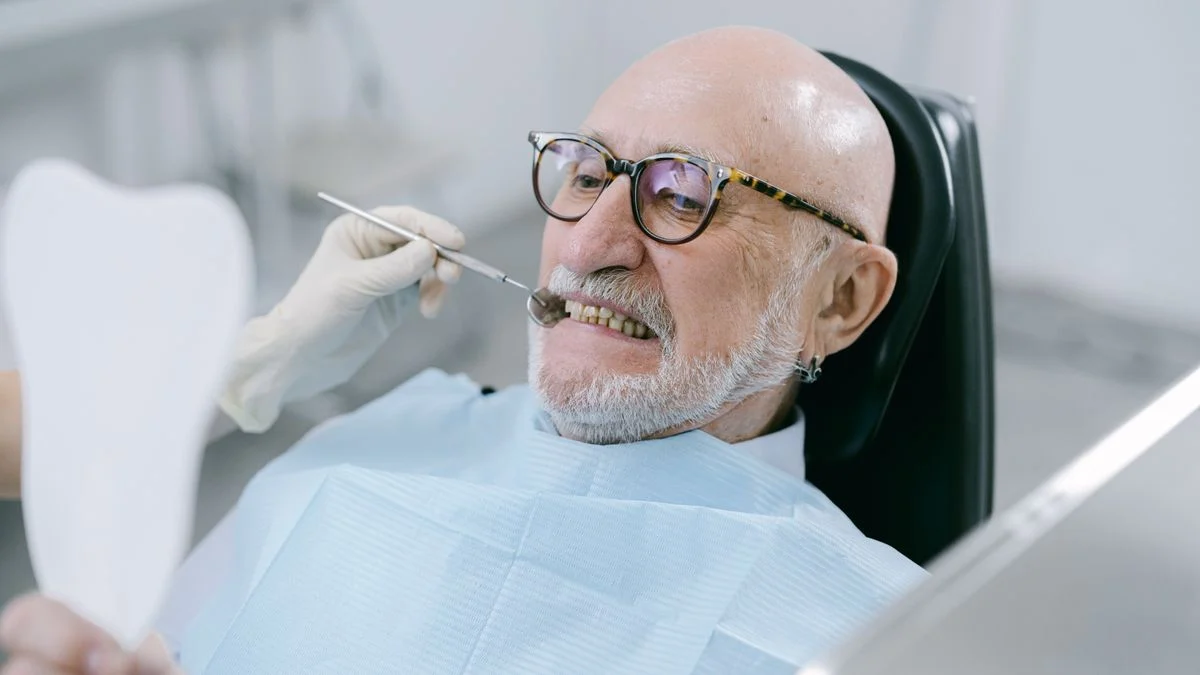
The short answer is no — Original Medicare does not cover the dental work most people actually need. Cleanings, fillings, extractions, dentures, and routine root canals all fall outside what Parts A and B pay for. That gap catches a lot of people off guard, since Medicare covers so much of everything else.
Why Medicare Excludes Dental in the First Place
This isn’t an oversight — it’s baked into how Medicare was designed. When Medicare was created in 1965, dental care was treated as separate from medical care in most insurance markets, and that separation was written directly into the program. Routine dental, vision, and hearing services were explicitly excluded from Original Medicare’s benefit structure, and that exclusion has never been changed at the federal level, despite periodic proposals in Congress to add a dental benefit. Medicare Advantage plans have stepped into that gap voluntarily, using dental coverage as a competitive perk rather than because Medicare requires it — which is exactly why the coverage varies so much from plan to plan.
What Original Medicare Actually Covers
Medicare’s dental exclusion isn’t absolute — it’s just much narrower than most people assume. Medicare will cover dental work when it’s medically necessary as part of a separately covered medical procedure, not as dental care in its own right. Examples include a dental exam required before heart valve surgery, dental work needed before an organ transplant, treatment tied to head and neck cancer therapy, or care connected to dialysis. According to a 2026 Harvard analysis, roughly 1.31 million traditional Medicare beneficiaries qualify for this kind of coverage each year — a small fraction of the more than 60 million people enrolled in Medicare overall.
Medicare Part A can also cover a dental exam if it’s required before a covered inpatient hospital procedure, and it covers emergency hospital treatment for jaw injuries or certain oral conditions serious enough to require inpatient care. None of this adds up to dental coverage in the way most people mean the term — it’s medical coverage that happens to touch the mouth.
What Medicare Does Not Cover
Outside those narrow exceptions, Original Medicare does not pay for:
- Routine cleanings and checkups
- Fillings
- Tooth extractions (outside the emergency hospital exception above)
- Dentures
- Root canals
- Dental implants
- Orthodontic treatment
This is the gap that drives most people toward Medicare Advantage plans, standalone dental insurance, or discount dental plans once they realize Original Medicare alone won’t cover a filling, let alone a denture.
Does Medicare Advantage Cover Dental?
Often, yes — but the coverage varies more than the marketing suggests. In 2026, about 94% of Medicare Advantage plans include some form of dental benefit, which is why dental coverage is one of the most commonly advertised perks of switching from Original Medicare to Medicare Advantage. The catch is in the word “some”: only around 8% of Medicare Advantage plans offer genuinely comprehensive dental coverage, with benefits that meaningfully cover major services like crowns, root canals, or dentures. The rest typically cap annual benefits fairly low or limit coverage to preventive care, which leaves a real gap for anyone who ends up needing a crown or a partial denture.
Before assuming a Medicare Advantage plan “covers dental,” it’s worth checking the specific annual maximum, what’s classified as preventive versus major care, and whether your current dentist is in-network — the same questions worth asking of any dental plan, but easy to skip when dental is bundled in as an add-on rather than sold as its own product.
What This Actually Costs Beneficiaries
The financial impact of Medicare’s dental gap is well documented. According to KFF, nearly two-thirds of Medicare beneficiaries — about 37 million people — have no dental coverage at all, and almost half went without a dental visit in the past year. Among beneficiaries who did use dental services, average out-of-pocket spending was $874, and roughly 1 in 5 spent more than $1,000. A smaller group, around 2.7 million beneficiaries, spent $2,136 or more out of pocket on dental care in a single year.
The chart above illustrates the gap directly: Original Medicare pays nothing toward routine dental care, and while the large majority of Medicare Advantage plans technically include a dental benefit, only a small share of those actually offer comprehensive coverage once you look past the headline.

How to Close the Gap
For most people on Medicare, closing the dental gap comes down to one of three paths:
- Switch to a Medicare Advantage plan with comprehensive dental — worth it if you’re already considering Medicare Advantage for other reasons, but confirm the dental benefit is genuinely comprehensive, not just a preventive-only add-on.
- Buy a standalone dental insurance plan alongside Original Medicare — keeps your existing Medicare coverage unchanged while adding dedicated dental benefits, though it comes with its own premium, waiting periods, and annual maximum to evaluate.
- Use a dental discount plan — not insurance, but a fixed annual fee in exchange for a discount off provider rates, with no waiting period or annual maximum, which can work well for predictable, lower-cost dental needs.
The right choice depends mostly on how much dental work you’re likely to need. Someone expecting mostly routine cleanings has very different math than someone who already knows a crown or denture is coming. See our full comparison of standalone dental insurance versus Medicare Advantage dental for a side-by-side breakdown of cost, annual maximums, and network rules.
A Realistic Example
Consider two people turning 65 in the same year. The first has healthy teeth, sees a dentist twice a year for cleanings, and has no major work on the horizon. For this person, a Medicare Advantage plan with even a basic preventive-only dental benefit — or a low-cost dental discount plan — likely covers what they actually need, and paying for comprehensive standalone dental insurance may not be worth the premium.
The second person already knows they’ll need a crown within the next year and has a history of needing dental work every few years. For this person, the 8% of Medicare Advantage plans with genuinely comprehensive dental coverage — or a standalone dental insurance plan with a reasonable annual maximum — matters enormously, since a single crown can cost $800-$2,500 out-of-pocket without any coverage. The waiting period on whichever option they choose becomes a critical detail too, since enrolling after the need is already identified means paying full price during the wait.
Neither approach is universally right. The mistake is picking a plan based on whether it advertises “dental coverage” at all, rather than checking whether that coverage actually matches the dental work a person is likely to need.
What About Medicaid?
For Medicare beneficiaries who also qualify for Medicaid — often called “dual eligibles” — dental coverage rules shift again. Medicaid dental benefits for adults vary significantly by state; some states offer comprehensive adult dental coverage through Medicaid, while others offer only emergency dental services or none at all. If you qualify for both programs, checking your specific state’s Medicaid dental benefit is worth doing before assuming you’re stuck with the same gap Original Medicare leaves behind.
Frequently Asked Questions About Medicare and Dental Coverage
Does Medicare cover dental work at all?
Original Medicare (Parts A and B) does not cover routine dental work. It covers dental care only when medically necessary as part of a separately covered medical procedure, such as before certain surgeries or cancer treatments.
Does Medicare cover dentures?
No. Dentures are not covered by Original Medicare under any routine circumstance. Coverage for dentures generally requires a Medicare Advantage plan with dental benefits, standalone dental insurance, or a dental discount plan.
Does Medicare cover tooth extractions?
Not routinely. Original Medicare may cover an extraction only if it’s tied to a covered inpatient hospital procedure or emergency treatment for a jaw injury or serious oral condition requiring hospitalization – not for a standard tooth extraction at a dental office.
Do all Medicare Advantage plans cover dental?
Most do to some degree – about 94% include a dental benefit – but only around 8% offer comprehensive coverage. Many Medicare Advantage dental benefits are limited to preventive care with a low annual maximum for anything beyond that.
How much do Medicare beneficiaries pay out of pocket for dental care?
Among beneficiaries who used dental services, average out-of-pocket spending was $874 in a recent year, according to KFF, with about 1 in 5 spending more than $1,000.
Related guides: Best dental insurance for seniors — Dental insurance cost for seniors — What happens to dental coverage when you turn 65 — Best dental insurance plans hub.