
You already know the tooth is a problem. Maybe a dentist flagged a cracked molar last year, or you've been putting off a crown you can feel every time you chew. Now you're shopping for dental insurance, and you're wondering: will any plan actually cover work on a problem you already know about?
The honest answer is complicated, and it hinges on two separate rules most buyers mix up: waiting periods and missing tooth clauses. Get the distinction wrong and you could pay a year of premiums for coverage that never applies to the one thing you bought insurance for.
What Counts as a "Pre-Existing" Dental Condition?
A pre-existing condition in dental insurance is any problem a dentist diagnosed, or that you were aware of, before your policy's effective date (Delta Dental, 2026 (opens in a new tab)). That's a narrower definition than most buyers expect. It's not about whether you had insurance before. It's about whether the specific tooth, cavity, or gum issue existed before this particular plan started.
That distinction matters in practice. If you had no insurance for two years and then enroll in a new plan, a cavity that started forming last month is still "new" to the insurer, even though you were uninsured when it began. But a crown you know you need right now, diagnosed at a checkup three weeks ago, counts as pre-existing the moment your new policy takes effect.
Insurers can't always verify this on paper. In practice, they rely on two enforcement tools: the waiting period, which delays coverage for a category of services regardless of when the problem started, and exclusion clauses, which target specific known conditions permanently. Confusing the two is where most buyers get burned.
Say a dentist tells you in March that you'll eventually need a root canal on a back molar. You buy a PPO in April. That root canal is now a pre-existing condition under your new policy, even though you haven't had the procedure yet and the tooth hasn't failed. The insurer doesn't care that you were being proactive. What matters is the diagnosis date relative to your enrollment date.
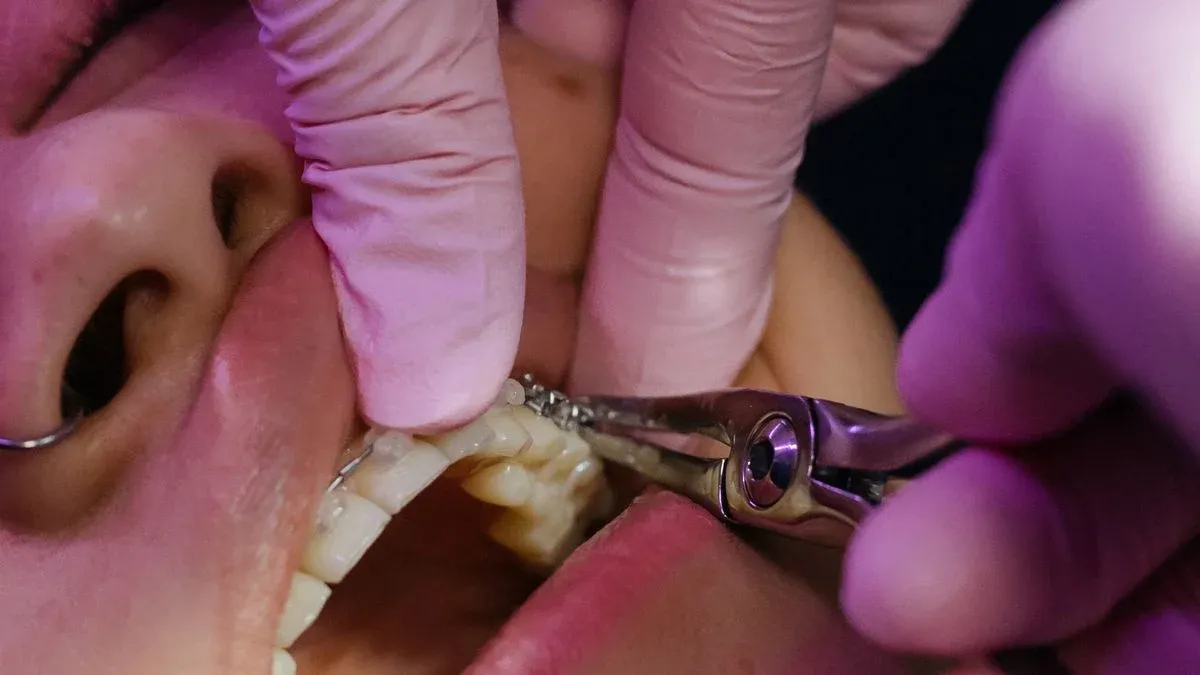
The diagnosis date on record here, not your enrollment date, is what most insurers use to define a pre-existing condition. Photo: cottonbro studio / Pexels.
How Does the Missing Tooth Clause Work?
A missing tooth clause blocks coverage for replacing any tooth that was already missing before your plan's start date, even if implants, bridges, and dentures are otherwise covered benefits (NADP (opens in a new tab)). Not every plan includes the clause, so check the plan's limitations and exclusions before you enroll.
This is the strictest form of pre-existing exclusion in dental insurance, and it's permanent. A standard waiting period eventually expires. A missing tooth clause doesn't. If you lost a molar five years ago and buy a plan with this clause today, that molar will never be covered by that policy, not after six months, not after five years.
Source: Delta Dental, Humana, and MetLife plan documentation, 2026.
Not every plan uses one. Delta Dental's federal employee (FEDVIP) plans, for example, cover a missing tooth even if it was missing before enrollment (Delta Dental (opens in a new tab)), while other plans, including some from the same carrier, may still apply the clause. That single difference can be worth thousands of dollars if you're missing even one tooth. Always ask this question directly before buying, because it rarely shows up in a plan's marketing summary.
Waiting out a clause does not work, because there is nothing to wait out.
Do Waiting Periods Still Apply If You Already Know What's Wrong?
Yes, and this surprises people who assume waiting periods only exist to prevent fraud on brand-new problems. A standard waiting period applies to the category of service, not the novelty of your condition. If your plan has a 6-month wait on basic services, a filling you need today waits 6 months whether the cavity is one week old or one year old (Humana, 2026 (opens in a new tab)).
Here's the part that actually protects insurers from adverse selection: a plan can combine a waiting period with an exclusion. You might wait 12 months for major services in general, and separately have that specific known crown permanently excluded if the insurer classifies it as a diagnosed pre-existing condition on your application. Read the policy's exclusions section, not just its waiting period table, before assuming a long enough wait solves your problem.
Isn't there any way around this? A few, and they don't involve lying on an application, which most insurers can void your policy for if discovered.
Which Plan Types Handle Pre-Existing Problems Best?
PPO and HMO dental insurance both typically apply standard waiting periods and may include missing tooth clauses, while dental discount plans skip both entirely because they aren't insurance (Delta Dental, 2026 (opens in a new tab)). The tradeoff is that discount plans don't pay a percentage of your bill. They give you a negotiated lower price, paid out of pocket, at participating dentists.
| Plan Type | Waiting Period | Missing Tooth Clause | Best For |
|---|---|---|---|
| PPO | Usually 6–12 months on major work | Common, varies by carrier | People who can wait and want broad dentist choice |
| HMO / DHMO | Often shorter, sometimes waived | Less common, but network is restrictive | Budget buyers okay with a limited network |
| Dental discount plan | None | None — it's a discount, not insurance | Known problems that need work now |
Some PPO carriers also sell "no waiting period" plans at a premium, but read the fine print. Several of those still keep a missing tooth clause even when they waive the standard 6–12 month wait, so a known missing tooth still won't be covered on day one. For a full breakdown of how those plans work, see our guide to dental insurance with no waiting period.
If the problem needs attention now and you cannot wait out an exclusion, a discount plan is often the fastest route. 1Dental applies no waiting period and no missing tooth clause, on the Careington and Aetna Dental Access networks. You pay the reduced fee yourself, so ask the dentist for that exact number before joining.
How to Get Coverage for a Problem You Already Have
Three approaches actually work here, and they're not mutually exclusive.

Asking about missing tooth clauses and exclusions before enrolling saves confusion later. Photo: Karola G / Pexels.
First, look specifically for a plan without a missing tooth clause. This is the single highest-leverage question you can ask a carrier before enrolling, because it's the one exclusion that never expires. Delta Dental is a known example that doesn't apply one, but confirm it in writing for your specific plan, not just the brand generally.
Second, pair a discount plan with your future insurance. Use a dental savings plan to get the immediate problem handled at a negotiated rate, then enroll in real insurance for ongoing preventive and basic care once the urgent issue is resolved. This avoids paying insurance premiums for months while still being excluded from the one procedure you need.
Third, time your enrollment around diagnosis, not around symptoms. If you feel a problem but haven't seen a dentist yet, get insurance in place before the checkup that creates a paper trail. Once a condition is formally diagnosed, insurers treat it as known, and every subsequent application question about "existing conditions" becomes harder to answer honestly in your favor. This isn't about hiding anything. It's about sequencing decisions correctly.
Fourth, ask about partial coverage for related but distinct work. A missing tooth clause blocks the replacement itself, but it typically doesn't block coverage for treating the surrounding teeth or gums affected by the gap. If bone loss or shifting teeth near the missing tooth need attention, that portion of the treatment plan may still be covered even when the implant isn't.
For a broader look at how standard waiting periods work across all major and basic categories, our dental insurance waiting periods guide breaks down typical timelines by carrier and procedure type.
What Happens If a Claim Gets Denied for a Pre-Existing Reason?
A denial letter citing a pre-existing condition or missing tooth clause isn't automatically the final word. Carriers must point to the specific policy language they're relying on, and that language is worth reading closely before you accept the denial (Delta Dental, 2026 (opens in a new tab)). Some claims get denied by an automated review that never actually checked your diagnosis date against your enrollment date.
Start by requesting the explanation of benefits in writing, then compare the cited exclusion against your policy document, not the marketing brochure you got when you signed up. In our review of how these disputes typically resolve, the strongest appeals come from patients who can show the treating dentist's records don't establish a diagnosis date earlier than the policy's effective date, since the burden of proving "pre-existing" status generally falls on the insurer, not the patient.
If the appeal fails and the exclusion is legitimate, a dental discount plan or direct negotiation with the practice for a cash rate is usually faster than a second appeal round. Carriers can take 30 to 60 days to resolve an appeal, and a painful tooth won't wait that long.
Frequently Asked Questions
Does dental insurance ever cover a pre-existing condition immediately?
Rarely for major work, but preventive care (cleanings, exams, X-rays) is typically covered from day one regardless of prior conditions (Delta Dental, 2026 (opens in a new tab)). Basic and major services tied to a diagnosed pre-existing problem usually face either a standard waiting period, a permanent exclusion, or both, depending on the carrier and plan tier.
What's the difference between a waiting period and a pre-existing exclusion?
A waiting period delays coverage for a service category for everyone on the plan, typically 3–12 months, then expires (Humana, 2026 (opens in a new tab)). A pre-existing exclusion, like the missing tooth clause, targets a specific known condition and can last the life of the policy, with no expiration date.
Can I lie about a pre-existing dental condition to avoid the exclusion?
No. Misrepresenting a known condition on a dental insurance application is grounds for the insurer to deny the claim or void the policy entirely once discovered (Delta Dental, 2026 (opens in a new tab)). Most claims for major work require dental records, which typically reveal the diagnosis date regardless of what the application states.
Do dental discount plans really have no waiting period at all?
Correct. Dental discount plans aren't insurance, so they don't use underwriting, waiting periods, or pre-existing condition exclusions (FTC (opens in a new tab)). You get a negotiated discount rate, often 10–60% off retail, at participating dentists starting within days of signing up.
Will switching insurance carriers reset my waiting period even if I already served it?
Usually, yes. Most carriers don't credit time served under a previous plan's waiting period. Some employer or association group plans offer "credit for prior coverage" if you switch without a gap, but this is uncommon in the individual market most self-employed buyers shop in.
Related guides: Explore our full guide to the best dental insurance plans, compare options in our no waiting period plans roundup, or read the complete dental insurance waiting periods guide for timelines by procedure.
This article is for informational purposes only and doesn't constitute insurance advice. Confirm specific plan exclusions directly with the carrier before enrolling.