
Quick Answer
Yes, most Delta Dental plans cover a portion of dental implants — typically 30% to 50% of the cost — but the exact number depends entirely on which regional Delta Dental company issued your specific plan. A waiting period of 6 to 24 months usually applies before implant benefits kick in, and an annual maximum of $1,500 to $2,000 limits how much the plan will actually pay in a year, regardless of the percentage on paper.
Why “Delta Dental” Isn’t One Plan
Here’s what most people don’t realize: Delta Dental isn’t a single national insurance company. It’s a federation of roughly 39 independent member companies, each operating its own plans within its own region. Two people holding what looks like the same Delta Dental card can get completely different answers about implant coverage, because they’re actually enrolled in different member companies with different benefit schedules.
This is the real reason a simple Google search for “does Delta Dental cover implants” doesn’t have one clean answer. The honest answer is: it depends which Delta Dental you have, and the only way to know for certain is to check your own plan’s summary of benefits or call the number on your card.
What Delta Dental Typically Covers for Implants
Where implants are covered, Delta Dental plans generally classify them as a major service, reimbursed at 30% to 50% coinsurance after you meet your deductible. Coverage is usually broken into separate line items rather than one lump payment:
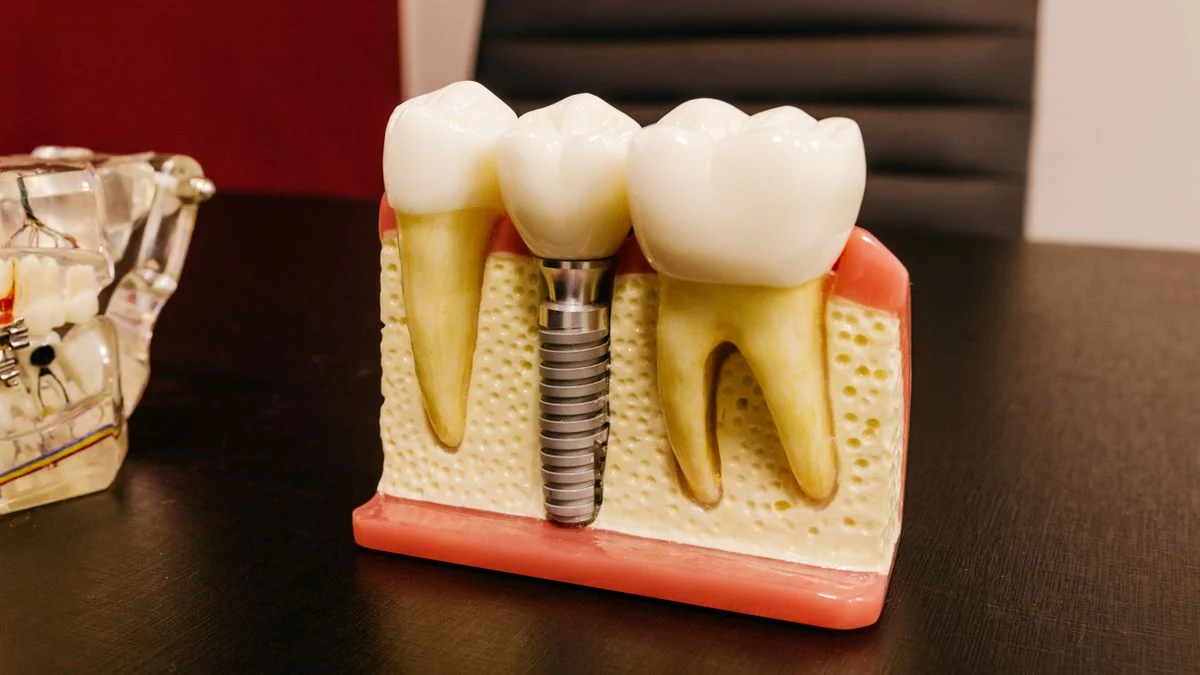
- Implant post (the titanium anchor placed in the jaw) — covered under major services on plans that include implants
- Abutment (the connector piece) — may be billed and covered separately from the post
- Crown (the visible tooth replacement) — billed separately again, sometimes covered even when the post itself is excluded, and vice versa
Because these are separate line items, it’s worth asking your plan directly which specific components it covers rather than assuming “implants are covered” means the whole procedure is treated as one benefit.
Waiting Periods and Annual Maximums: The Real Limiting Factor
The coverage percentage gets most of the attention, but the annual maximum is usually what actually determines your out-of-pocket cost. A single implant (post, abutment, and crown) typically runs $3,000 to $6,000 without insurance. Even at a generous 50% coinsurance, that’s $1,500 to $3,000 in benefits — and most Delta Dental plans cap total annual payouts at $1,500 to $2,000 combined across every procedure you have that year, not just the implant.
In practice, that means the plan’s real contribution toward an implant is often closer to $1,000 to $1,500 once the annual maximum kicks in, not the full 50% the percentage implies.
Waiting periods add a second constraint. Most Delta Dental plans require 6 to 24 months of continuous enrollment before major services like implants are covered at all, though some plans waive this if you can show comparable prior coverage within the last 30 to 60 days. If you need an implant soon, the waiting period — not the coverage percentage — may be the deciding factor in whether insurance helps you this year.
How to Check Your Specific Delta Dental Plan
Because coverage varies so much by region and plan, don’t rely on general information — including this article — as the final word for your situation. Three steps to get a real answer:
- Call the number on your Delta Dental card and ask specifically: “Does my plan cover dental implants, and if so, at what percentage and after what waiting period?”
- Request a pre-treatment estimate from your dentist’s office before scheduling — Delta Dental can confirm in writing what portion of a specific treatment plan it will cover.
- Read the “major services” section of your plan’s summary of benefits directly, since implants are sometimes listed by name and sometimes bundled under “prosthodontics” or “oral surgery.”
A Real-World Cost Example
Say your dentist quotes $4,500 for a single implant (post, abutment, and crown combined) — squarely in the typical $3,000-$6,000 range. If your Delta Dental plan covers implants at 50% coinsurance, that theoretically means $2,250 in coverage. But if your annual maximum is $1,500 and you haven’t used any of it yet this year, that maximum — not the 50% — is what actually caps your benefit. You’d receive $1,500 from the plan and owe $3,000 out of pocket, not the $2,250 the percentage alone would suggest.
This is why comparing plans by coverage percentage alone is misleading. A plan advertising 50% coverage with a $1,000 annual maximum can pay out less than a plan advertising 40% coverage with a $2,500 maximum, depending on the size of the procedure.
Delta Dental vs Other Carriers for Implants
Delta Dental’s implant coverage sits in the middle of the market — neither the most generous nor the most restrictive option. If implants are your main reason for buying coverage, it’s worth comparing against carriers that explicitly market implant benefits, since coverage rules and network size vary meaningfully by company. See our full best dental insurance for implants guide for a side-by-side comparison across carriers, or our Aetna vs Delta Dental comparison if you’re specifically weighing those two.
Key Takeaways
- Delta Dental is a federation of ~39 independent regional companies — your actual coverage depends on which one issued your plan, not a single national policy.
- Where covered, implants are typically reimbursed at 30-50% as a major service, after a waiting period.
- The annual maximum ($1,500-$2,000 on most plans) usually limits your real payout more than the coverage percentage does.
- Waiting periods of 6-24 months are common for major services — check yours before assuming coverage applies immediately.
- The implant post, abutment, and crown are often billed and covered as separate line items, not one lump benefit.
- Always confirm with your specific plan (not general information) before scheduling treatment.
Frequently Asked Questions
Does Delta Dental cover dental implants?
Most Delta Dental plans cover some portion of dental implants, typically 30% to 50% as a major service, but this varies by the specific regional Delta Dental company and plan. Some lower-tier plans exclude implants entirely.
Why do different Delta Dental plans cover implants differently?
Delta Dental is a federation of about 39 independent member companies, each with its own plans and benefit schedules. There is no single national “Delta Dental plan” — coverage depends on which member company issued your specific policy.
What’s the waiting period for implants with Delta Dental?
Most plans require 6 to 24 months of continuous enrollment before implant coverage applies, since implants are classified as a major service. Some plans waive this if you had comparable coverage within the prior 30 to 60 days.
Does Delta Dental cover the crown separately from the implant post?
Often, yes. The implant post, abutment, and crown are frequently billed and covered as separate line items rather than one bundled benefit, so a plan might cover the crown portion even if it limits or excludes the post, or vice versa.
How do I find out what my specific Delta Dental plan covers?
Call the number on your Delta Dental card and ask directly about implant coverage, percentage, and waiting period, or request a written pre-treatment estimate from your dentist before scheduling.
Is Delta Dental a good choice specifically for implants compared to other carriers?
Delta Dental’s implant coverage is fairly typical for the industry — not the most generous, not the most restrictive. If implants are your primary need, compare specific plans across carriers rather than choosing based on brand name alone.
Related guides: Best Dental Insurance for Implants, Dental Implant Cost Guide, Does Dental Insurance Cover Implants?, Aetna vs Delta Dental for Individual Coverage, Does Delta Dental Cover Night Guards?.
This article is for informational purposes only and does not replace advice from a licensed dentist, insurance provider, or benefits administrator. Coverage, costs, and eligibility vary by plan, provider, location, and policy terms.