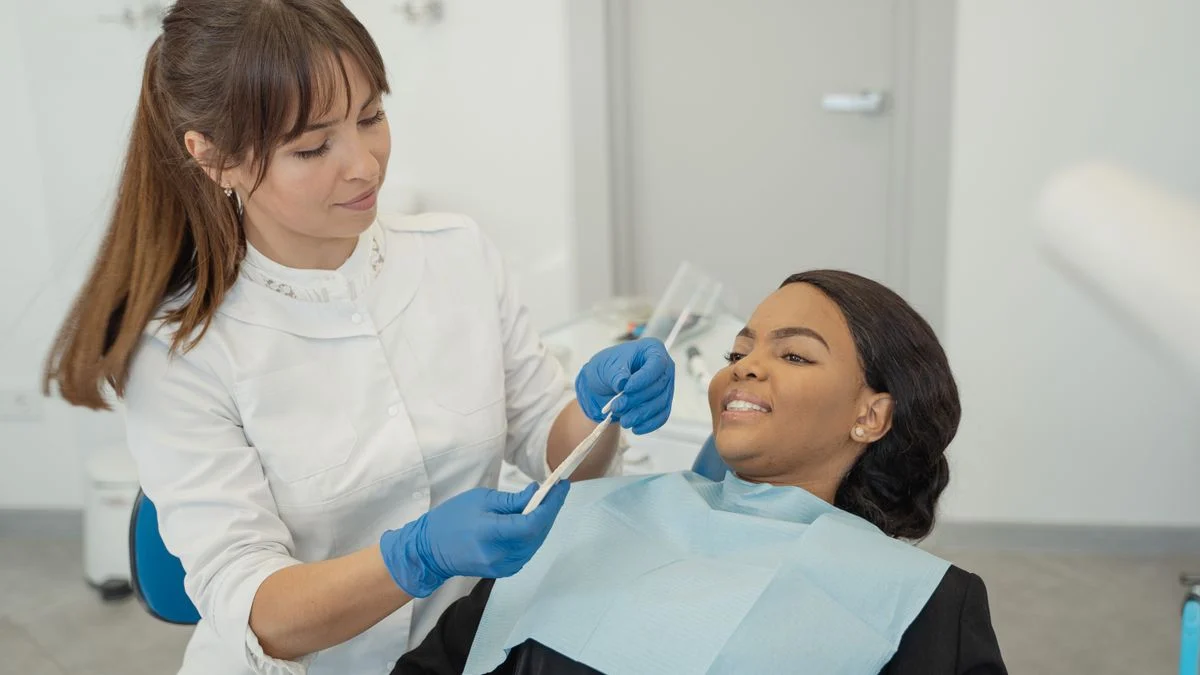

Are you staring at your dentist’s bill and feeling a pang of dread? Perhaps you’ve recently lost your job, are self-employed, or simply want to explore your options outside of a group plan. The reality is, dental care is essential, not a luxury, and the thought of paying for treatments out-of-pocket can be overwhelming. You’re not alone in this concern. Many individuals find themselves in a similar situation, trying to figure out how to secure affordable dental coverage without the safety net of an employer-sponsored plan. The good news is, it’s entirely possible, but it requires understanding the landscape of individual dental insurance and its associated costs. This guide is designed to demystify the process, helping you make informed decisions about protecting your oral health and your wallet.

The Realities of Dental Care Costs Without Insurance

Before diving into the specifics of insurance, it’s crucial to understand why dental insurance is such a valuable asset. Dental procedures, from routine cleanings to more complex treatments like root canals or crowns, can add up quickly. Without insurance, you bear the full financial burden of these costs.

Consider a few common dental procedures and their potential out-of-pocket expenses:

  • Routine Check-up and Cleaning: While seemingly minor, these preventative visits are the cornerstone of good oral health. Without insurance, a typical cleaning and exam can range from $75 to $200 or more, depending on your location and the dentist’s practice.

  • X-rays: Diagnostic X-rays are often necessary for detecting issues not visible to the naked eye. These can cost anywhere from $25 to $250 for a full mouth series.

  • Fillings: For cavities, fillings are a standard treatment. A simple filling can cost between $50 and $150 per tooth.

  • Crowns: A crown, or cap, is used to restore a damaged tooth. These are significantly more expensive, often ranging from $500 to $3,000 per tooth.

  • Root Canals: This endodontic treatment, while saving a tooth, is a substantial investment, typically costing between $700 and $2,000 per tooth.

  • Extractions: Simple tooth extractions can cost $75 to $300, while surgical extractions for impacted wisdom teeth can climb to $150 to $600 or more per tooth.

  • Dentures and Implants: These restorative options are among the most expensive dental treatments, with full sets of dentures costing thousands of dollars and dental implants often ranging from $1,000 to $6,000 per implant, including the abutment and crown.

These figures highlight the potential financial strain of unexpected dental issues. How Much Does Dental Insurance Cost? While the cost of insurance itself is a factor, it pales in comparison to the potential cost of major dental work without any coverage. This is where dental insurance steps in as a crucial financial tool.

Understanding Individual Dental Insurance Plans

When you’re not covered by an employer, you’ll be looking at individual dental insurance plans. These plans are purchased directly from insurance companies or through marketplaces. Unlike group plans, which often have a wider range of benefits and potentially lower premiums due to risk pooling, individual plans can vary significantly in terms of coverage, deductibles, co-pays, and premiums.

There are several main types of individual dental insurance plans:

Dental Health Maintenance Organization (DHMO) Plans

DHMO plans are often the most affordable option. They typically feature lower premiums and lower out-of-pocket costs for services. However, they come with specific requirements:

  • Primary Dentist: You’ll need to choose a primary care dentist within the plan’s network. This dentist acts as your first point of contact for all dental needs and will refer you to specialists if necessary.

  • Referral Requirement: You generally need a referral from your primary dentist to see a specialist. Going outside the network or seeing a specialist without a referral can result in no coverage.

  • Limited Network: The selection of dentists might be more limited compared to other plan types.

  • Focus on Prevention: DHMOs often emphasize preventive care and may cover routine services at a high percentage with little to no deductible.

Dental Preferred Provider Organization (DPPO) Plans

DPPO plans offer more flexibility than DHMOs. They are a popular choice for individuals seeking a balance between cost, choice, and coverage.

  • Network Benefits: You’ll pay less if you use dentists within the plan’s network. However, you still have the option to see out-of-network dentists, though your costs will be higher.

  • No Referrals Needed: You typically don’t need a referral to see a specialist.

  • Deductibles and Co-insurance: DPPO plans usually have annual deductibles that you must meet before the insurance starts paying for certain services. After the deductible is met, you’ll share the cost of services with the insurance company through co-insurance (e.g., the plan pays 80%, you pay 20%).

  • Waiting Periods: Many DPPO plans have waiting periods for certain procedures, especially major ones like crowns or bridges. This means you might have to wait a certain number of months after enrolling before these benefits kick in.

Dental Indemnity Plans (Fee-for-Service)

These plans offer the most freedom in choosing your dentist, as you can see any dentist you wish.

  • Freedom of Choice: You can visit any dentist, and the insurance company will reimburse you a set amount for covered services, up to a certain annual maximum.

  • Higher Out-of-Pocket Costs: You’ll typically pay the dentist directly and then submit a claim for reimbursement. These plans often have higher deductibles and co-payments, and you might be responsible for the difference between what the plan reimburses and the dentist’s actual fee.

  • Less Common: Indemnity plans are becoming less common as DHMOs and DPPOs have gained popularity.

Discount Dental Plans

It’s important to distinguish discount dental plans from insurance. These are not insurance policies.

  • Membership Fee: You pay a monthly or annual fee to be a member of the plan.

  • Pre-negotiated Discounts: In return, you receive discounts on various dental procedures from a network of participating dentists.

  • No Coverage: You are responsible for the full discounted cost of the service at the time of treatment. There are no deductibles, co-pays, or annual maximums to worry about, but also no actual insurance coverage.

  • Simpler: They are often simpler to understand and enroll in, with immediate access to discounts.

For individuals seeking actual insurance coverage, DHMOs and DPPOs are the primary options when an employer isn’t involved.

Factors Influencing Dental Insurance Cost Without an Employer

The cost of individual dental insurance is not a one-size-fits-all figure. Several factors come into play when determining how much you’ll pay per month or year. Understanding these variables is key to finding a plan that fits your budget and needs.

Plan Type and Coverage Level

As discussed, the type of plan significantly impacts cost. DHMOs generally have lower premiums than DPPOs. Furthermore, plans with higher annual maximums, lower deductibles, and more comprehensive coverage for major procedures will naturally cost more. If you’re looking for cheap dental insurance cost, you might need to compromise on certain benefits or accept a higher deductible.

Your Age

Age is a significant factor in insurance pricing across the board, and dental insurance is no exception. Generally, premiums increase as you get older. This is because older individuals are statistically more likely to require more extensive dental treatments. For seniors, specifically, there are plans designed for their needs, but the cost can be higher. Dental Insurance Cost For Seniors often reflects these age-related health considerations.

Location

Where you live plays a role in the cost of dental insurance. Dental care costs vary by region due to differences in the cost of living, dentist salaries, and the general cost of healthcare services. Premiums in metropolitan areas might be higher than in rural areas.

Individual vs. Family Coverage

The cost will also depend on whether you’re purchasing coverage for yourself or for your family. Premiums for family plans are higher because they cover multiple individuals, each with their own potential dental needs. Dental Insurance Cost For Family calculations account for the number of adults and children being insured.

Deductibles, Co-pays, and Co-insurance

These are the out-of-pocket expenses you’ll face when you use your dental insurance.

  • Deductible: The amount you pay before your insurance starts covering costs. Plans with lower deductibles typically have higher premiums.

  • Co-payment (Co-pay): A fixed amount you pay for a covered service after meeting your deductible. For example, you might have a $20 co-pay for a specialist visit.

  • Co-insurance: Your share of the costs of a covered healthcare service, calculated as a percentage of the allowed amount for the service. For instance, if your plan has 80% co-insurance, you pay 20% of the cost of a covered service after meeting your deductible.

Plans with lower deductibles and co-pays, or lower co-insurance percentages, will generally have higher monthly premiums. Conversely, plans with higher deductibles and co-pays will likely have lower premiums.

Annual Maximums

Most dental insurance plans have an annual maximum benefit, which is the maximum amount the insurance company will pay for your dental care in a benefit year. Plans with higher annual maximums often come with higher premiums. If you anticipate needing significant dental work, a higher maximum might be worth the increased premium. However, many plans have relatively low annual maximums, sometimes as low as $1,000 or $1,500, which can be met quickly with major procedures.

Waiting Periods

As mentioned, many plans, particularly DPPOs, have waiting periods for certain types of services. For example, there might be a 6-month waiting period for basic services (like fillings) and a 12-month waiting period for major services (like crowns or bridges). Some plans may have no waiting periods, but these often come with higher premiums.

Estimating Your Dental Insurance Costs

Given all these variables, it’s challenging to provide an exact figure for dental insurance costs without an employer. However, we can look at averages and ranges.

The Average Dental Insurance Cost for an individual can range significantly. For a basic individual plan, you might expect to pay anywhere from $20 to $60 per month. More comprehensive plans with better coverage and lower out-of-pocket costs could range from $50 to $100+ per month.

For families, the costs are, of course, higher. A family dental plan can range from $60 to $150+ per month, depending on the factors mentioned above.

To get a clearer picture, it’s essential to get personalized quotes. Many insurance providers and online marketplaces allow you to enter your information (age, location, desired coverage level) and receive specific pricing.

How Much Does Dental Insurance Cost Per Month?

To reiterate, the question of How Much Does Dental Insurance Cost Per Month? can only be answered with a range. For an individual, a reasonable estimate for a decent plan is often between $30 and $70 per month. For a self-employed individual who needs to secure their own coverage, the costs are similar to an individual plan, but understanding the specific needs of self-employment is key. How Much Does Dental Insurance Cost Per Month for Self-Employed? is a common query, and the answer typically falls within the general individual plan range, but requires careful shopping.

Strategies for Finding Affordable Dental Insurance

Securing dental insurance without an employer doesn’t have to break the bank. Here are some strategies to help you find affordable coverage:

1. Compare Quotes from Multiple Providers

Never settle for the first quote you receive. Shop around and compare plans from different insurance companies. Use online comparison tools, but also consider contacting insurers directly. Look at not just the monthly premium but also the deductible, co-pays, co-insurance, annual maximum, and network of providers.

2. Understand Your Needs

Before you start shopping, assess your dental health needs.

  • Do you have any pre-existing dental conditions that require extensive treatment?

  • Do you have a history of cavities or gum disease?

  • Are you generally in good oral health and primarily seeking preventative care?

  • Do you have a specific dentist you want to continue seeing?

If you have a history of dental problems, a plan with a higher premium but better coverage for major services and a lower deductible might be more cost-effective in the long run. If you have excellent oral health, a lower-premium plan with a higher deductible and lower annual maximum might suffice.

3. Consider DHMOs if You Have a Preferred Dentist

If you have a dentist you love and they participate in a DHMO network, this could be a very cost-effective option. Remember the referral requirements, but for many, the lower premiums and out-of-pocket costs make it attractive.

4. Look for Plans with No or Shorter Waiting Periods

If you need dental work done soon, be mindful of waiting periods. Some plans offer immediate coverage for preventive services, while others might have waiting periods of 6 to 12 months for basic or major procedures. Plans with no waiting periods may cost more.

5. Explore State and Federal Marketplaces

In some cases, you might find dental coverage options through the Health Insurance Marketplace established by the Affordable Care Act (ACA). While dental coverage is not a mandatory essential health benefit for adults under the ACA, some qualified health plans may offer it as an add-on, or there may be separate dental plans available.

6. Consider Discount Dental Plans (with Caution)

As mentioned, discount dental plans are not insurance. However, if your primary goal is to reduce the cost of routine care and you don’t anticipate needing major procedures, a discount plan might be a viable supplement. Be sure to understand the network limitations and the actual discount percentages offered. Always compare the annual cost of the discount plan membership against the potential savings on your anticipated dental visits.

7. Check Eligibility for Government Programs

Depending on your income and circumstances, you might be eligible for government assistance programs that help cover dental costs. For example, Medicaid offers dental coverage to eligible children and adults in many states. Medicare generally does not cover routine dental care, but there are exceptions for certain medically necessary dental procedures.

8. Buy Insurance During Open Enrollment Periods

Like health insurance, dental insurance often has open enrollment periods. While you can typically buy individual dental insurance at any time of the year (unlike health insurance under the ACA, which has specific enrollment periods), there may be specific times when plans are more readily available or offer special promotions.

When You Can Buy Dental Insurance Without an Employer

The good news is that you don’t need to be unemployed or without a job to purchase individual dental insurance. Can You Buy Dental Insurance Without an Employer? The answer is a resounding yes. Whether you are:

  • Self-employed or a freelancer: You are your own employer and need to secure your own benefits.

  • Working for a small business: Your employer might not offer dental benefits.

  • A student: You might need coverage separate from your parents’ plan.

  • Seeking coverage outside of your spouse’s plan: You might want your own policy for various reasons.

  • Looking for supplemental coverage: Even if you have some dental coverage through an employer, you might want additional coverage.

Individual dental insurance is designed for these very scenarios. You can research, compare, and enroll in a plan directly from an insurance provider or through an insurance broker or marketplace at any time of the year.

Maximizing Your Dental Insurance Benefits

Once you have a dental insurance policy, it’s important to use it wisely to get the most value.

Utilize Preventive Care

Most dental insurance plans cover preventive services like check-ups, cleanings, and X-rays at 100% or at a very high percentage, often with no deductible. Take advantage of these fully covered visits at least twice a year. Early detection of problems can prevent more serious and expensive issues down the line.

Understand Your Coverage Details

Read your policy documents carefully. Know what is covered, what isn’t, what your deductibles and co-pays are, and what the annual maximum is. This knowledge will help you avoid unexpected costs and make informed decisions about treatment.

Stay Within the Network

If you have a DHMO or DPPO, using dentists within the plan’s network will almost always save you money. Before scheduling an appointment, confirm that your dentist is in-network.

Plan for Major Procedures

If you know you’ll need a major procedure, understand the costs involved, including your co-insurance responsibility after meeting the deductible. If your annual maximum is low, you might need to plan for out-of-pocket expenses beyond that limit or consider if the procedure can be spread across two calendar years.

Don’t Ignore Your Dental Health

The temptation to skip dental appointments when you’re paying out-of-pocket can be strong, but it’s a false economy. Neglecting oral hygiene and regular check-ups can lead to more severe problems, which will ultimately be much more expensive to treat and may even be partially or fully uncovered if they become extensive.

The Future of Dental Insurance and Oral Health

As the landscape of healthcare continues to evolve, so too does the availability and structure of dental insurance. There’s a growing recognition of the link between oral health and overall health, which may lead to greater integration of dental benefits with general health insurance in the future. For now, however, individuals navigating the market without employer-sponsored plans have a range of options. The key is diligent research, careful comparison, and a clear understanding of your personal dental health needs and financial situation.

The cost of dental insurance without an employer is a variable that depends heavily on individual circumstances and the specific plan chosen. While it requires a proactive approach to find the right coverage, the peace of mind and financial protection it offers are invaluable. Don’t let the perceived complexity deter you; by breaking down the options and understanding the cost factors, you can secure affordable dental care and maintain a healthy smile for years to come.

Frequently Asked Questions About Dental Insurance Costs Without an Employer

What is the average cost of individual dental insurance per month?

The average cost of individual dental insurance per month can range widely, typically from about $20 to $60 for basic plans. More comprehensive plans with better coverage, lower deductibles, and higher annual maximums can cost anywhere from $50 to $100 or more per month. Factors like your age, location, and the specific benefits offered by the plan significantly influence the final premium.

Are there different types of dental insurance plans available for individuals?

Yes, when you purchase dental insurance without an employer, you’ll generally encounter a few main types of plans: Dental Health Maintenance Organizations (DHMOs), Dental Preferred Provider Organizations (DPPOs), and Dental Indemnity (Fee-for-Service) plans. Discount dental plans are also available, but they are not insurance and offer pre-negotiated discounts rather than actual coverage. Each type has its own structure for costs, provider networks, and benefit coverage.

How much does a dental cleaning cost without insurance?

The cost of a routine dental cleaning without insurance can vary significantly by location and dental practice. Generally, you can expect to pay anywhere from $75 to $200 or more for a standard cleaning and check-up. This is why preventative coverage, often at 100% with insurance, is so valuable.

Can I get dental insurance if I have a pre-existing condition?

Yes, in most cases, you can still get dental insurance even if you have a pre-existing condition. Unlike some health insurance plans, dental insurance typically does not have exclusions for pre-existing conditions. However, many plans do have waiting periods for certain services, especially major procedures. It’s crucial to check the specific waiting periods for the plan you are considering.

What is a deductible in dental insurance?

A deductible is the amount of money you must pay out-of-pocket for covered dental services before your insurance plan begins to pay its share. For example, if your plan has a $50 deductible for basic procedures, you’ll pay the first $50 of those costs yourself. After the deductible is met, co-insurance or co-pays will apply to subsequent services. Plans with lower deductibles usually have higher monthly premiums.

What are waiting periods in dental insurance, and how do they affect costs?

Waiting periods are a common feature in many dental insurance plans, especially for DPPOs and indemnity plans. They are the lengths of time you must be enrolled in the plan before certain benefits become available. For example, there might be a 6-month waiting period for basic services (like fillings) and a 12-month waiting period for major services (like crowns or root canals). While plans with shorter or no waiting periods might exist, they often come with higher monthly premiums. Understanding waiting periods is crucial for budgeting and planning for necessary dental treatments.

Conclusion

Navigating the world of dental insurance without an employer can seem daunting, but it’s an essential step for maintaining your oral and overall health without facing crippling costs. By understanding the different types of plans available, the factors that influence their pricing, and the strategies for finding affordable coverage, you can make an informed decision. Whether you’re self-employed, working for a small business, or simply seeking coverage outside a group plan, individual dental insurance offers a viable solution. Remember to compare quotes diligently, assess your personal needs, and utilize preventive care to maximize the value of your chosen plan. Investing in dental insurance is investing in your well-being and financial security.

Subscribe To Receive The Latest News

Add notice about your Privacy Policy here.