
Did you know that a staggering 67% of adults in the United States reported having dental insurance in 2023, yet a significant portion still face challenges accessing affordable care? [Source: National Association of Dental Plans, 2023 Survey] This highlights a critical gap: having insurance doesn’t always equate to accessible or inexpensive dental care. For many, the perceived high cost of dental insurance is a barrier to maintaining oral health. However, with the right knowledge and strategic approach, finding cheap dental insurance cost is more achievable than you might think. In 2026, numerous options and considerations can help individuals and families secure comprehensive dental coverage without breaking the bank.
This article will delve into the factors influencing dental insurance premiums, explore different types of plans, and provide actionable tips for finding the most cost-effective coverage. We’ll navigate the complexities of deductibles, copayments, coinsurance, and annual maximums, empowering you to make informed decisions about your oral healthcare investment. Understanding how these elements work together is key to unlocking affordable solutions.
Understanding the Factors That Influence Dental Insurance Costs

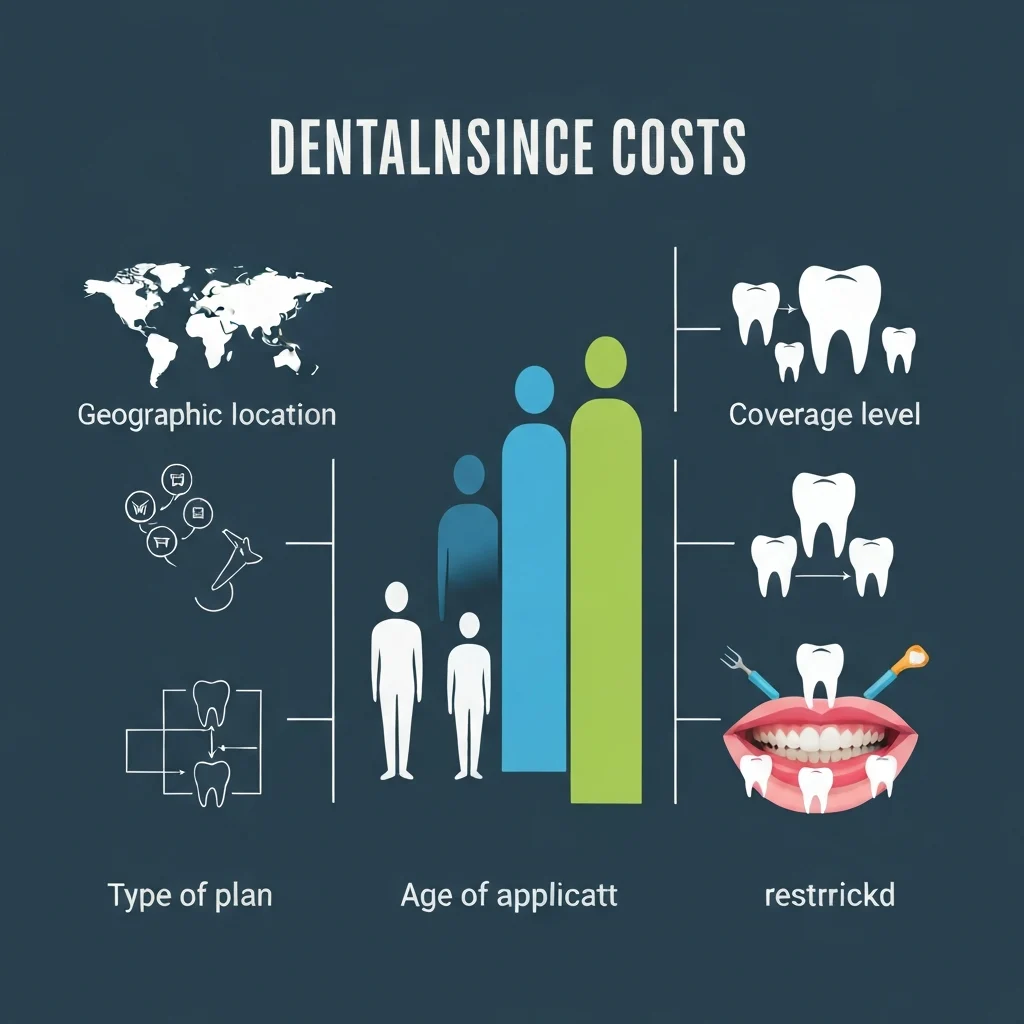
The price you pay for dental insurance, often referred to as your premium, is determined by a variety of factors. Insurers assess risk based on several criteria to set their rates. Understanding these can help you anticipate costs and identify areas where you might find savings.
One of the primary drivers of cost is the type of plan you choose. Indemnity plans, for instance, typically offer more flexibility in choosing dentists but often come with higher premiums. Preferred Provider Organization (PPO) plans strike a balance between cost and choice, while Dental Health Maintenance Organizations (DHMOs) usually offer the lowest premiums but restrict you to a network of dentists.
Your geographic location also plays a significant role. Dental care costs vary widely by region, influenced by the cost of living, dentist supply, and local demand. Premiums in major metropolitan areas might be higher than in rural settings.
The age of the applicant is another crucial factor. Generally, older individuals may face higher premiums due to an increased likelihood of needing more extensive dental work. Conversely, younger individuals typically pay less.
The coverage level you select is paramount. Plans that offer comprehensive coverage, including major procedures like crowns, bridges, and implants, will naturally cost more than those focusing solely on preventive care and basic services. The more services covered and the higher the reimbursement percentages, the higher the premium will be. For instance, if you’re exploring options for more extensive treatments, understanding Does Dental Insurance Cover Implants can help you gauge the potential cost implications of your chosen plan.
Finally, deductibles, copayments, and coinsurance directly impact your out-of-pocket expenses and, indirectly, the overall cost of your insurance. A plan with a lower premium might have a higher deductible, meaning you pay more out-of-pocket before your insurance starts covering services. Conversely, a plan with a higher premium might have a lower deductible and copayments, making your regular visits more affordable. Examining the Average Dental Insurance Cost can provide a benchmark, but remember that your specific needs will dictate the best value.
Types of Dental Insurance Plans and Their Cost Implications
Navigating the landscape of dental insurance can be confusing, but understanding the different plan types is the first step toward finding affordable coverage. Each plan has a distinct structure that affects both premiums and out-of-pocket expenses.
Dental Health Maintenance Organizations (DHMOs)
DHMOs are often the most budget-friendly option. They typically feature lower monthly premiums and minimal to no deductibles. The trade-off is that you are usually required to select a primary care dentist from a network of providers. All your dental care, except in emergencies, must go through this dentist, who will then refer you to specialists within the network if needed. Copayments for services are common, but these are generally fixed and predictable. If you’re looking for the absolute lowest premium, exploring How Much Does Dental Insurance Cost Per Month can help you compare DHMO options.
Preferred Provider Organizations (PPOs)
PPOs offer a greater degree of flexibility. You can see dentists both inside and outside the plan’s network. However, you’ll pay less if you choose an in-network provider. PPOs typically have higher premiums than DHMOs but offer a wider selection of dentists. They often involve deductibles and coinsurance, meaning you’ll pay a percentage of the cost of services after meeting your deductible. The annual maximum benefit is also a common feature of PPO plans.
Dental Indemnity Plans (Fee-for-Service)
These plans, sometimes called fee-for-service, offer the most freedom in choosing your dentist, including specialists, without needing referrals. You typically pay the dentist directly, and then the insurance company reimburses you based on a set fee schedule, up to a certain limit. Indemnity plans usually have higher premiums and deductibles compared to DHMOs and PPOs. They may also have annual maximums. Because of their higher cost, they are less common for individuals seeking cheap dental insurance.
Discount Dental Plans
It’s important to distinguish discount dental plans from traditional insurance. These are not insurance plans at all. Instead, they offer members access to a network of dentists who have agreed to provide services at a reduced rate. You pay a monthly or annual membership fee, and then you receive discounts on the services you use. There are typically no deductibles, copayments, or annual maximums, making them a potentially very affordable option for those who don’t need extensive coverage. However, the savings depend on the services you need and the dentists available in your area.
Strategies for Finding Cheap Dental Insurance
Securing affordable dental insurance requires a proactive and informed approach. Here are several strategies to help you lower your costs:
Compare Quotes from Multiple Insurers
Just like shopping for car or home insurance, the dental insurance market is competitive. Don’t settle for the first plan you find. Use online comparison tools and contact different insurance providers directly to get quotes. This allows you to see a range of prices and coverage options side-by-side. When comparing, pay close attention not just to the premium but also to the deductible, copayments, coinsurance, annual maximums, and the plan’s network of dentists.
Consider Waiting Periods
Many dental insurance plans have waiting periods before certain benefits become available. For example, preventive services like cleanings and exams might be covered immediately, while major procedures like crowns or orthodontics might have a waiting period of 6 to 12 months. If you don’t anticipate needing major work soon, a plan with longer waiting periods for these services might have a lower premium. Understanding the Dental Insurance Waiting Period is crucial for managing expectations and costs.
Look for Plans with Lower Annual Maximums
Most dental insurance plans have an annual maximum benefit, which is the most the insurance company will pay for your dental care in a given year. Plans with higher annual maximums typically have higher premiums. If your typical dental needs are routine and preventive, a plan with a lower annual maximum might be sufficient and significantly cheaper. However, if you have a history of extensive dental work or anticipate needing significant treatment, a lower maximum could mean higher out-of-pocket costs once you reach the limit.
Explore Employer-Sponsored Plans
If you are employed, check if your employer offers dental insurance as part of your benefits package. Employer-sponsored plans are often subsidized by the employer, meaning you’ll pay a lower premium than you would for an individual plan. These plans can offer excellent value and comprehensive coverage.
Consider Group Plans for Small Businesses or Self-Employed Individuals
For small business owners or the self-employed, group dental plans can offer more competitive rates than individual plans. If you have employees, offering dental insurance can also be a valuable benefit to attract and retain talent. For those who are self-employed, understanding How Much Does Dental Insurance Cost Per Month for Self-Employed? is a key part of business planning. Specialized markets and brokers can help find the Best Dental Insurance For Self Employed individuals.
Focus on Preventive Care Coverage
The most cost-effective way to manage your oral health is through regular preventive care. Look for plans that offer robust coverage for routine check-ups, cleanings, and X-rays, often with little to no out-of-pocket cost. By catching problems early, you can avoid more expensive treatments down the line. For example, knowing Does Dental Insurance Cover Fillings can help you budget for common restorative procedures.
Utilize Health Savings Accounts (HSAs) or Flexible Spending Accounts (FSAs)
If you have a high-deductible health plan, you might be eligible for an HSA. Both HSAs and FSAs allow you to set aside pre-tax money to pay for qualified medical and dental expenses. This can effectively reduce the cost of your dental insurance premiums and out-of-pocket costs because you’re using tax-advantaged funds.
Maximizing Value: Beyond Just the Premium
Finding cheap dental insurance isn’t solely about the lowest monthly premium. It’s about maximizing the value you receive for your investment. This means understanding how to use your plan effectively and considering the long-term implications of your choices.
Understand Your Dental Needs
Be realistic about your dental health needs. If you have excellent oral hygiene and rarely require significant dental work, a plan with basic coverage and a lower premium might be perfectly adequate. However, if you have a history of cavities, gum disease, or require frequent dental procedures, investing in a plan with more comprehensive coverage, even if it has a slightly higher premium, could save you money in the long run.
Network Restrictions and Dentist Choice
Consider the network of dentists available with a plan. If your preferred dentist is not in the network of a DHMO or PPO plan, you’ll either need to switch dentists or pay higher out-of-pocket costs. For some, the flexibility to see any dentist is worth a slightly higher premium. Research the dentists in the network to ensure they are conveniently located and accept your plan.
Read the Fine Print
Before enrolling in any dental insurance plan, take the time to read the policy details carefully. Pay attention to exclusions, limitations, waiting periods, and any specific requirements for pre-authorization of services. Understanding these details can prevent unexpected costs and ensure you are adequately covered for your needs. The U.S. Department of Health and Human Services provides extensive resources on health insurance literacy, which can be beneficial when deciphering policy documents. For instance, understanding the intricacies of How Much Does Dental Insurance Cost involves more than just looking at the sticker price.
Conclusion
Finding cheap dental insurance in 2026 is a multifaceted endeavor that requires research, comparison, and a clear understanding of your personal needs. By familiarizing yourself with the factors influencing premiums, the different types of plans available, and strategic approaches to cost reduction, you can secure coverage that fits your budget and oral health goals. Remember that the most affordable plan isn’t always the one with the lowest monthly cost, but rather the one that provides the best overall value and essential coverage for your specific situation. Prioritizing preventive care and making informed decisions about deductibles, copayments, and annual maximums will pave the way for healthier teeth and a healthier wallet.
Frequently Asked Questions
The average cost of dental insurance can vary significantly, but generally, individual plans can range from $20 to $60 per month for basic coverage, while more comprehensive plans might cost $50 to $100 or more per month. Factors such as location, age, and the type of plan (PPO, DHMO, indemnity) heavily influence these prices. For a more detailed breakdown, you can explore resources that discuss the Average Dental Insurance Cost.
Discount dental plans are often cheaper in terms of monthly fees compared to traditional dental insurance premiums. However, they are not insurance. With a discount plan, you pay a membership fee and then receive reduced rates from participating dentists. With insurance, you pay premiums and the insurer covers a portion of the costs based on the plan’s benefits. The overall cost-effectiveness depends on how much dental care you anticipate needing.
A waiting period is a duration after you enroll in a dental insurance plan during which certain benefits are not yet available. For instance, preventive services like cleanings might be covered immediately, but major procedures like crowns or root canals may have a waiting period of 6 to 12 months. It’s essential to understand the Dental Insurance Waiting Period for the specific plan you are considering.
Generally, most dental insurance plans do not cover purely cosmetic procedures like teeth whitening or veneers, as these are considered elective. However, some plans might cover procedures that have both cosmetic and functional benefits, such as orthodontics if deemed medically necessary. It is crucial to check your policy details to understand what is covered.
If you are self-employed, you can explore individual dental plans, look into small business group plans if you have employees, or investigate specialized options for the self-employed. Online comparison tools can be very helpful in finding affordable plans. Understanding the specific costs associated with self-employment can provide clarity, and resources like How Much Does Dental Insurance Cost Per Month for Self-Employed? can offer valuable insights. You might also want to research the Best Dental Insurance For Self Employed individuals.
A deductible is the amount you pay out-of-pocket for covered dental services before your insurance plan begins to pay. A copayment (or copay) is a fixed amount you pay for a covered healthcare service after you’ve met your deductible. For example, you might have a $50 deductible for a procedure, and then a $20 copay for each subsequent visit.