
Dental fillings are one of the most common dental procedures in the United States — roughly 175 million fillings are placed each year (ADA Health Policy Institute, 2024). Because they are so frequent, understanding exactly how your dental insurance handles filling coverage can save you hundreds of dollars per visit.
Does Dental Insurance Cover Fillings?
Yes — dental insurance covers fillings in almost every standard plan. Fillings are classified as basic restorative services, which means they fall into the middle coverage tier. Standard PPO plans cover basic services at 80% of the allowed amount after your annual deductible is met. You pay the remaining 20% as coinsurance plus anything above the plan's negotiated rate if you see an out-of-network dentist.
HMO dental plans cover fillings as well, but require you to use an in-network dentist. With an HMO, you typically pay a flat copay per filling ($10–$30) rather than a coinsurance percentage.
Amalgam vs. Composite: Which Type Does Insurance Cover?
The type of filling material matters for coverage. Dental plans generally distinguish between two primary filling types:
- Amalgam (silver) fillings — the traditional metal alloy. Covered under basic services at the full 80% rate on virtually every plan.
- Composite resin (tooth-colored) fillings — the modern alternative that blends with natural tooth color. Covered by most plans, but with a catch.
Many dental plans apply what is called the "least costly alternative" rule for composite fillings on back teeth (premolars and molars). Under this rule, the plan reimburses the amalgam rate even if you choose a composite filling. If the composite costs $30–$60 more than the amalgam equivalent, you pay that difference out of pocket — even if you met your deductible and are otherwise within your annual maximum.
Front teeth (incisors, canines) are typically covered at the composite rate by default because amalgam is not an appropriate material for visible front teeth.
Filling costs with and without dental insurance in 2026. Source: Guardian/Synchrony Dental Study, 2024.

Fillings sit in the basic tier on most plans, which usually means a shorter wait than crowns.
How Much Does Insurance Pay for a Filling?
With a standard PPO plan covering basic services at 80%, here is what the math looks like on a typical filling visit:
- Allowed amount (what the insurer recognizes): $175 for a single-surface amalgam filling
- Your deductible (if not yet met): $50–$150, applied first
- Insurance pays: 80% of the allowed amount after deductible = $140
- You pay: 20% coinsurance = $35 (plus any deductible remaining)
On a composite filling for a front tooth at an allowed rate of $220, the insurer pays $176 and you pay $44 in coinsurance — assuming your deductible is already met from earlier in the benefit year.
Out-of-network fillings cost significantly more. Your plan may reimburse at a lower "usual and customary" (UCR) rate, leaving you responsible for the gap between what the dentist charges and what the plan covers.
Waiting Periods for Filling Coverage
Most individual dental plans impose a 6-month waiting period on basic services including fillings. This means if you enroll in January, fillings are not covered until July of the same year — even if you have an active cavity diagnosed in February.
Exceptions exist. Plans marketed as "no waiting period" plans — such as Spirit Dental's entry-level tiers and some Humana plans — cover fillings from the first day of enrollment. These plans typically carry higher monthly premiums ($5–$15 more per month) than comparable plans with waiting periods.
Employer-sponsored group dental plans commonly waive waiting periods on basic services entirely, since the insurer can spread risk across a larger pool of enrollees. If you are transitioning from employer coverage to an individual plan, verify whether your new plan has a basic service waiting period before your old coverage ends.
What Fillings Cost Without Insurance
Understanding the cash price for fillings helps you evaluate whether dental insurance delivers real value for your situation:
- Amalgam filling (1 surface): $100–$250 at a private practice
- Composite filling (1 surface, front tooth): $175–$350
- Composite filling (1 surface, back tooth): $200–$450
- Multi-surface filling (2–3 surfaces): $200–$600 depending on material and location
Dental school clinics charge 40–70% less than private practices for fillings — typically $50–$120 for an amalgam filling. Federally Qualified Health Centers (FQHCs) offer sliding-scale pricing based on income. For patients without insurance who need one or two fillings, these options can significantly reduce out-of-pocket spending.
A dental discount plan ($8–$15 per month) reduces filling costs by 20–50% at participating dentists with no waiting periods, no annual maximums, and no claims paperwork — a strong option when you need a filling quickly and do not yet have insurance coverage.
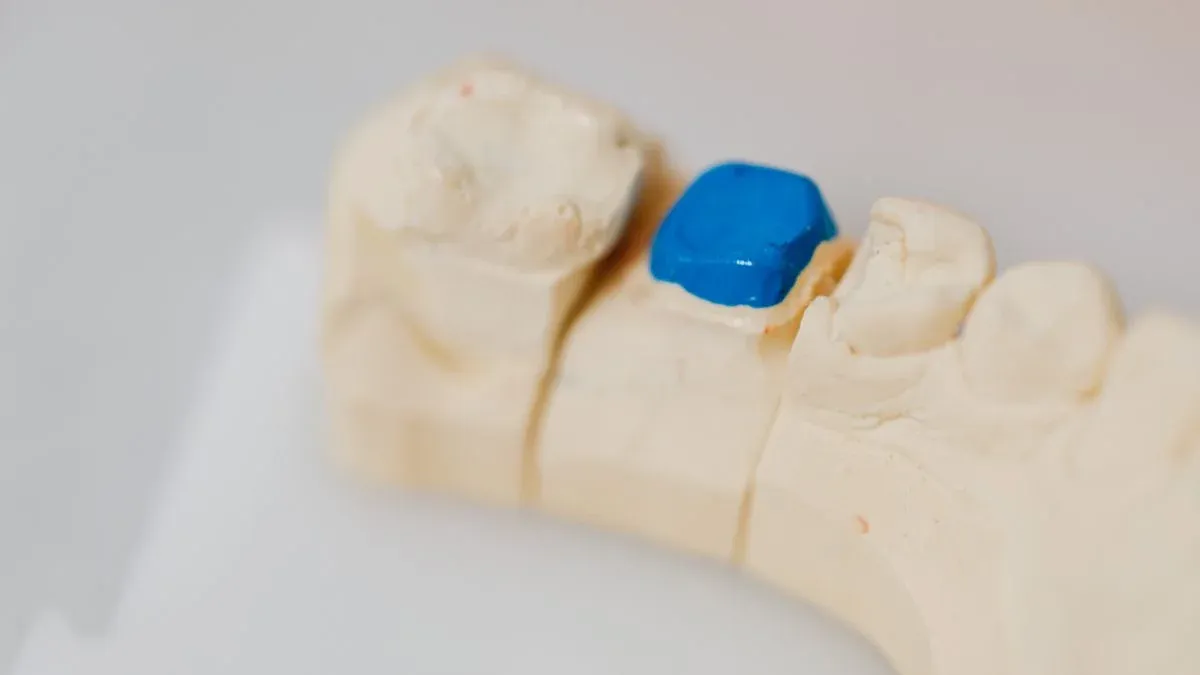
Composite and amalgam fillings are often reimbursed at different rates, even on the same plan.
When Fillings Are Not Covered
Even with active dental insurance, some filling situations fall outside coverage:
- During the waiting period: If your plan has a 6-month waiting period on basic services, fillings placed in that window are not covered regardless of when the cavity developed.
- Above the annual maximum: Once your plan pays out its annual maximum ($1,000–$2,000), all remaining costs — including fillings — come out of pocket until the benefit year resets.
- Pre-existing condition clauses: Some plans exclude treatment for conditions that predated enrollment. A cavity diagnosed before your plan started may not be covered for the first 6–12 months of coverage.
- Cosmetic enhancements during restoration: If you request additional cosmetic contouring or reshaping beyond what is clinically necessary, that portion is typically excluded.
Frequently Asked Questions
Does dental insurance cover fillings on all teeth?
Yes — fillings on any tooth are covered under the basic services tier, subject to waiting periods and coinsurance. However, composite resin fillings on back teeth (molars and premolars) are often reimbursed only at the amalgam rate. You pay the price difference between the composite and amalgam cost out of pocket.
How many fillings will insurance cover per year?
Most plans do not set a per-filling limit — coverage continues until you exhaust the annual maximum. A plan with a $1,500 annual maximum paying 80% on fillings would cover approximately $1,200 toward fillings in a benefit year before the maximum is reached. Some plans limit specific procedure codes by frequency, so verify your plan documents.
Does insurance cover replacing an old filling?
Yes, with limitations. Most plans cover filling replacement when the original filling has failed, decayed, or cracked — typically after 2–5 years, depending on the plan. Elective replacement of a serviceable filling for cosmetic reasons is generally not covered. Your dentist must document medical necessity for the replacement to be approved.
Does the type of dentist matter for filling coverage?
Yes. Seeing an in-network dentist means your insurer has negotiated a lower allowed rate, so both your coinsurance amount and the total cost are lower. Out-of-network dentists can charge above the allowed rate — you are responsible for the excess. With a PPO plan, out-of-network care is still partially covered; with an HMO, out-of-network fillings are not covered at all.
Are fillings covered under dental discount plans?
Dental discount plans are not insurance — they are membership programs that provide negotiated rates. Fillings at participating dentists typically cost 20–50% less than the standard price. There are no waiting periods, no claims, and no annual maximums. For someone who needs a filling immediately and lacks insurance, a discount plan ($8–$15/month) often delivers faster and cheaper access than a new insurance policy with a waiting period.
Related guides: What does dental insurance cover? (100/80/50 explained) — How dental waiting periods work — Average dental insurance cost in 2026 — Dental discount plan vs insurance: which costs less?
This article is for informational purposes only and does not constitute dental or financial advice. Coverage details vary by plan. Always verify specific coverage with your insurer before scheduling treatment.
Part of the Dental Insurance FAQs. Also read: is dental insurance worth it? — what is a dental deductible? — average dental insurance cost.
For more common dental insurance questions answered, see our dental insurance FAQ hub.