
A plan can look affordable until you realize you have to pay the first part of your dental bill yourself. That is why so many shoppers ask, what is a dental deductible? If you are buying coverage on your own, understanding this one number can help you avoid picking a plan that looks cheap upfront but costs more when you actually use it.
A dental deductible is the amount you pay out of pocket for covered services before your dental insurance starts paying its share. Think of it as your portion of the cost that comes first. If your plan has a $50 deductible, you generally pay the first $50 of eligible dental expenses before coinsurance or plan benefits kick in.
That sounds simple, but deductibles do not apply the same way in every plan. Some plans waive the deductible for preventive care like exams and cleanings. Others apply it only to basic and major services. Some have one deductible per person, while others also have a family deductible cap. Those details matter more than the deductible number by itself.
What is a dental deductible and how does it work?
The easiest way to understand a deductible is to see it as a threshold. Until you meet that threshold, you are paying the covered cost yourself, according to your plan rules. After that, the plan starts sharing costs.
For example, say your dental plan has a $50 deductible and covers fillings at 80% after the deductible. If you get a filling that has an allowed cost of $200, you may pay the first $50 to satisfy the deductible. Then the remaining $150 is split based on your coverage level. In that case, the plan would pay 80% of $150, and you would pay 20% of $150.
Your total out-of-pocket cost would be $80, not including any difference between the dentist’s charge and the plan’s allowed amount if you go out of network. That is one reason deductible alone never tells the whole story.
Most dental deductibles reset every plan year, usually once every 12 months. Once you meet it for that year, you typically do not have to meet it again until the plan renews.
Deductible vs premium
A premium is what you pay each month to keep the plan active. A deductible is what you pay for covered care before the insurance company starts paying part of the bill. You pay the premium whether or not you use the plan. You pay the deductible only when you receive services that are subject to it.
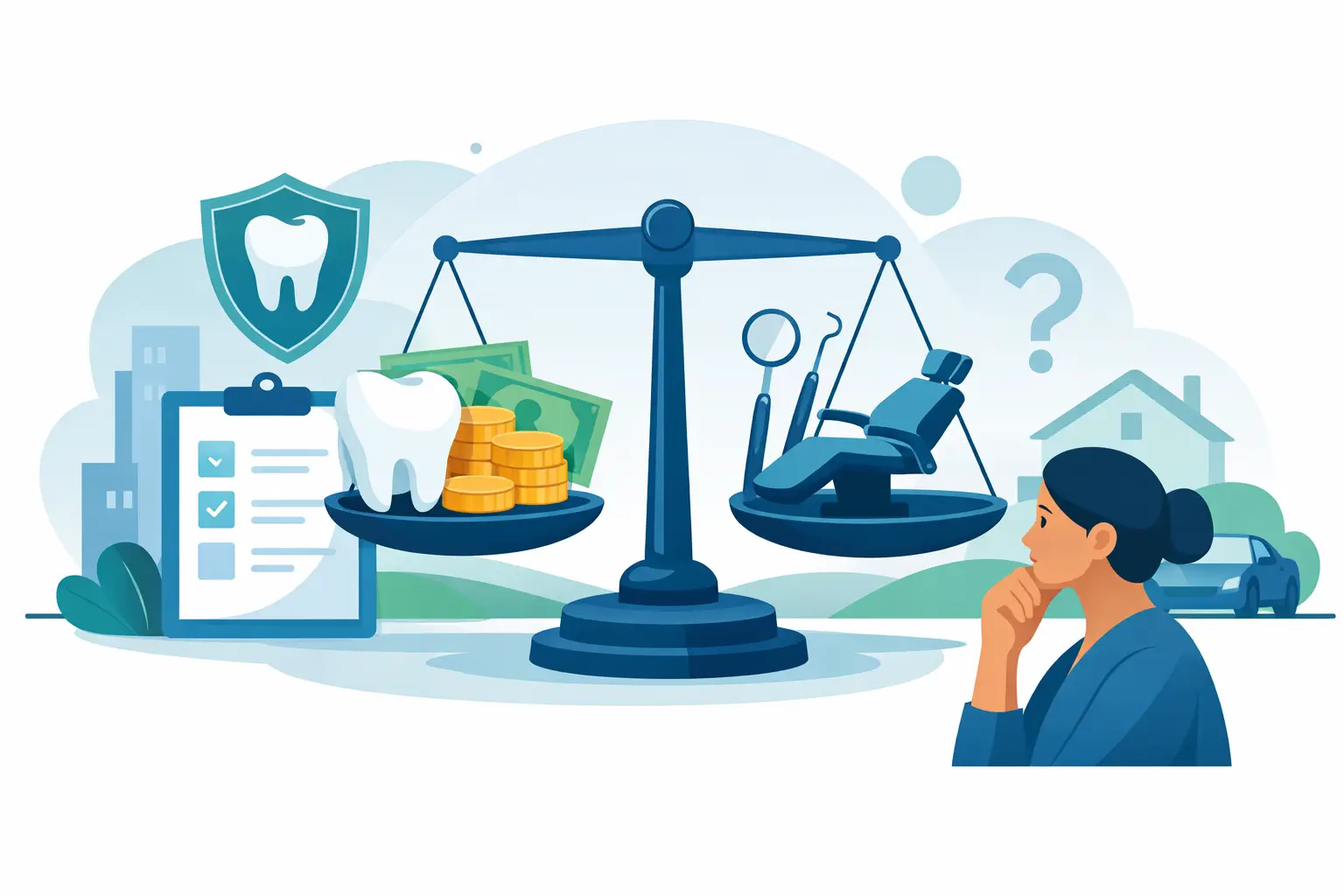
This distinction matters when you compare plans. A plan with a lower premium may come with a higher deductible. A plan with a higher premium may reduce what you pay when you need treatment. Neither is automatically better. It depends on how much dental care you expect to use.
Deductible vs copay and coinsurance
These terms are easy to mix up. A copay is a fixed dollar amount for a service. Coinsurance is the percentage of the bill you pay after the deductible is met. The deductible comes first, then cost-sharing usually follows.
In dental insurance, coinsurance is more common than copays for procedures like fillings, crowns, and root canals. That means your costs often come in layers: first the deductible, then your percentage share.
What services count toward a dental deductible?
This is where plan details start to matter. In many dental plans, preventive services such as routine exams, X-rays, and cleanings are covered without requiring you to meet the deductible first. That is common because insurers want members to keep up with preventive care.
Basic services, such as fillings and simple extractions, often do count toward the deductible. Major services, including crowns, bridges, dentures, and root canals, often do as well. But not every plan classifies services the same way, and not every plan applies the deductible the same way.
If you are comparing plans, do not assume all dental work counts toward the deductible or that the deductible applies to every service category. Read the benefit summary closely.
What usually does not count
Monthly premiums do not count toward your deductible. Services that your plan does not cover also do not count. If a procedure is excluded, cosmetic, or done during a waiting period when benefits are not yet available, you may pay the full cost and get no credit toward the deductible.
Out-of-network charges above the plan’s allowed amount may not count either. That can catch people off guard. A dentist may charge one amount, while the plan recognizes a lower negotiated or usual amount. The deductible typically applies to the allowed amount, not necessarily the full billed charge.
Individual and family deductibles
If you are shopping for family coverage, look for two numbers instead of one. Many plans have an individual deductible and a family deductible. For example, a plan may have a $50 individual deductible and a $150 family deductible.
That means one person may need to meet their own $50 deductible before plan benefits apply to them, but the family as a whole would not have to pay more than $150 in deductibles during the plan year. Once the family maximum is met, covered family members may not need to satisfy any additional deductible for that year.
This can make a real difference for families with children who may need fillings, sealants, or orthodontic evaluations, even if the plan handles each category differently.
What is a dental deductible in different plan types?
Not every dental plan uses deductibles in the same way. PPO plans commonly include an annual deductible for basic and major services. Dental HMO plans often work differently. Some do not have deductibles at all, but instead use fixed copays for services as long as you use in-network providers.
Dental discount plans are different again. They are not insurance, so they generally do not have deductibles. Instead, you pay a membership fee and receive discounted rates from participating dentists.
For a budget-conscious shopper, that means a plan with no deductible is not automatically the better deal. You still need to consider network size, service fees, waiting periods, annual maximums, and whether your current dentist is included.
How a deductible affects your real cost
A low deductible can make treatment more affordable early in the year, especially if you know you need work soon. If you have been putting off a filling or crown, a plan with a modest deductible may reduce your upfront expense.
But a low deductible paired with a high premium can cost more over 12 months if you only use preventive care. On the other hand, a higher-deductible plan with lower monthly premiums may be reasonable if you mainly want coverage for cleanings and checkups and are comfortable taking on more cost if something unexpected comes up.
There is no universal best option. A freelancer with irregular income may prefer lower monthly premiums even if the deductible is higher. A parent expecting several dental visits for a child may care more about lower treatment costs during the year.
How to compare dental deductibles without getting misled
Start by looking at the deductible together with four other plan features: premium, waiting periods, annual maximum, and coinsurance levels. A $50 deductible can still be a weak value if the plan has a long waiting period for major work or a low annual maximum that gets used up quickly.
It also helps to check whether preventive care bypasses the deductible. That can improve the value of a plan even if the deductible seems high at first glance. Then look at whether the deductible applies in and out of network, and whether the amounts differ.
If you expect major treatment soon, ask a more practical question than what the deductible is. Ask what you would likely pay, in total, for the actual procedure you need. That gets you closer to the real budget impact.
Common misunderstandings about dental deductibles
One common mistake is assuming you pay the deductible once and then the plan covers everything. In reality, meeting the deductible only means the plan starts paying according to its coverage percentages and limits. You may still owe coinsurance, and the plan may still cap how much it pays during the year.
Another misunderstanding is thinking a higher deductible always means worse coverage. Sometimes a higher-deductible plan has stronger coinsurance or a better network. Sometimes the opposite is true. The deductible is just one moving part.
Finally, many people overlook timing. If you enroll late in the year but the deductible resets on January 1, you could meet it and then face it again soon after renewal. That is worth considering if you are planning treatment around plan start dates.
A dental deductible is not the most exciting part of shopping for coverage, but it is one of the most useful to understand. Once you know when it applies, what counts toward it, and how it works with the rest of the plan, you can compare options with a lot more confidence and a lot fewer surprises.