

Quick answer: No, dental insurance is not considered health insurance for adults. They are separate products with separate premiums, separate networks, and separate claims. The only exception is children: under the Affordable Care Act, pediatric dental coverage counts as an essential health benefit, so plans sold to families must include it for kids under 18.
If you have ever compared plans on HealthCare.gov and wondered why dental barely shows up, or gotten a bill from your dentist that your medical insurance flatly refused to touch, you already know the two don’t work the same way. Here is what actually separates them, and what that means for how you should shop for coverage.
Key Takeaways
- Dental insurance is not considered health insurance for adults. Only 1.9% of commercial dental benefits are integrated with medical policies; the rest are sold and administered separately.
- The Affordable Care Act classifies pediatric dental as an essential health benefit, meaning marketplace family plans must cover it for children under 18. However, adult dental has no such requirement.
- The two also work differently once you have coverage: health insurance typically caps what you pay out of pocket, while dental insurance caps what the insurer pays you, through an annual maximum.
Is dental insurance considered health insurance?
No, not for adults. In the United States, insurers regulate, price, and sell dental insurance and health insurance as separate products. A health insurance policy covers doctor visits, hospital stays, surgery, and prescriptions. A dental policy covers cleanings, exams, fillings, and other work on your teeth and gums. Having one does not mean you have the other, and buying a health plan does not automatically include dental coverage for anyone in your household except, in most cases, children.
The confusion is understandable. Both are called “insurance,” both involve premiums and networks, and both show up during the same open enrollment season. But structurally they are unrelated products, and only a small share of the market treats them otherwise. Investopedia’s side-by-side breakdown of the two confirms the same split: separate policies, separate underwriting, separate cost structures.

How dental insurance and health insurance differ
The clearest way to see the difference is side by side.
| Health Insurance | Dental Insurance | |
|---|---|---|
| What it covers | Doctor visits, hospital care, surgery, prescriptions, emergency care | Cleanings, exams, X-rays, fillings, crowns, root canals, extractions |
| Required for adults under the ACA | No individual mandate penalty since 2019, but plans must meet ACA standards | Not an essential health benefit for adults |
| Required for children under the ACA | Yes, as an essential health benefit | Yes, pediatric dental is also an essential health benefit |
| Annual spending limit | No annual or lifetime dollar limit on essential benefits | Insurer usually caps what it pays, often $1,000 to $2,000 a year |
| Sold bundled with the other | Rare, about 1.9% of commercial dental benefits are integrated with medical | Same, the vast majority are standalone policies |
The annual maximum is the detail that catches people off guard most often. Health insurance protects you from catastrophic cost by capping what you pay. Dental insurance works in reverse, capping what the plan pays, which is why a single crown or root canal can exceed a full year of dental benefits even with coverage in place.
Why isn’t dental insurance included in most health plans?
The short answer is regulatory history. When the Affordable Care Act defined the 10 categories of essential health benefits that most health plans must cover, it included pediatric dental care but left adult dental off the list entirely. HealthCare.gov confirms this directly: dental coverage is an essential health benefit for children, and health plans are not required to offer adult dental coverage at all.
Covered California explains the practical result: because adult dental isn’t classified as essential, insurers are free to sell it as an optional add-on or leave it out of medical plans entirely, which is what most of them do. Lawmakers made that decision when they wrote the ACA’s benefit categories, and as a result, dental has stayed a separate market for adults ever since.
For families, the split runs down the middle of the household. A marketplace plan must include dental for the kids on the policy. It does not have to include it for the parents, which is why many families end up buying a separate dental plan to cover the adults once the kids’ pediatric dental benefit is already built in.
Do you need both dental and health insurance?
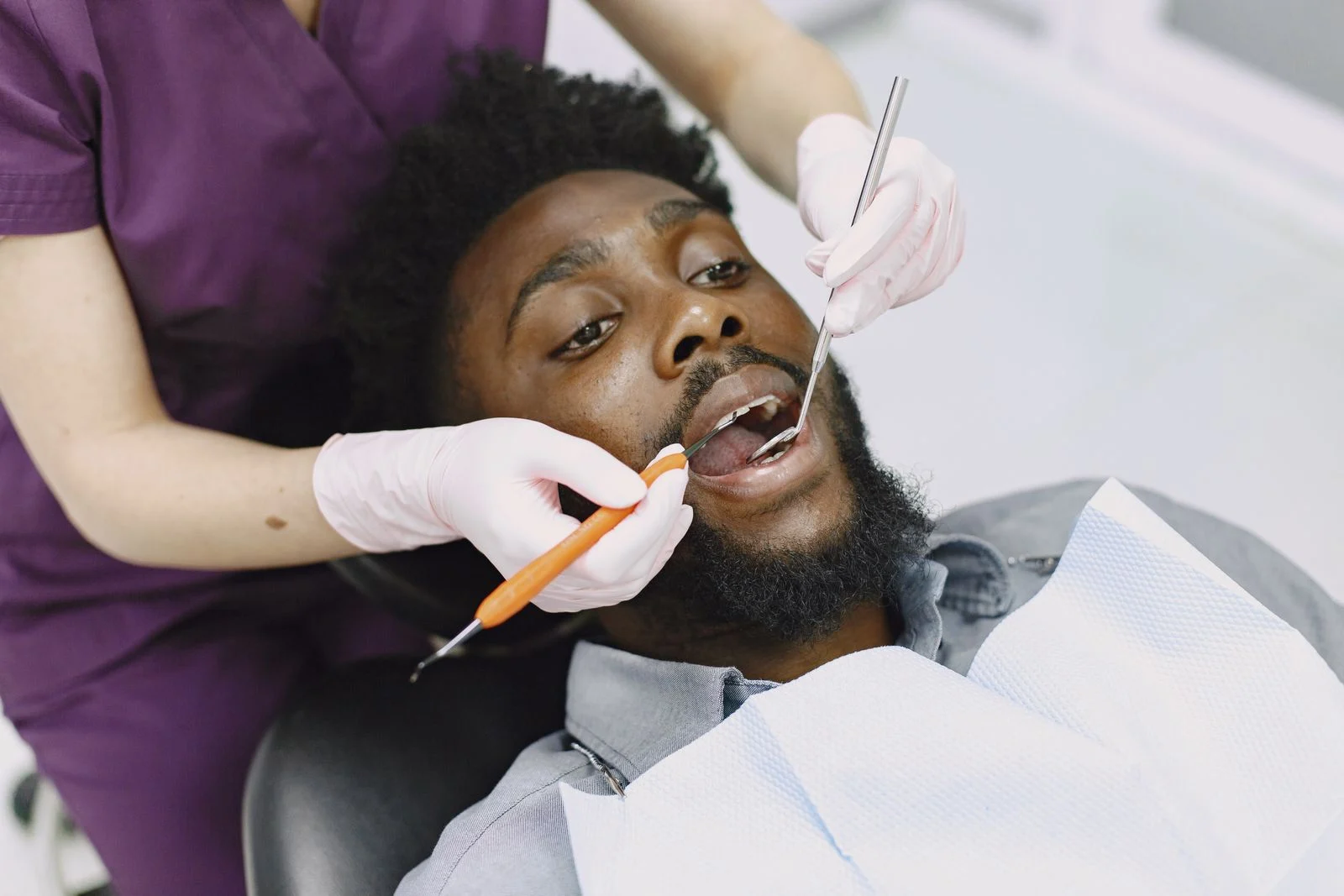
For most adults, yes, if the goal is real financial protection. Health insurance does not cover routine dental care, and dental problems that go untreated because of cost are one of the more common reasons people end up in an emergency room, where treatment costs far more and dental coverage still won’t apply. Skipping dental insurance does not remove the risk, it just shifts who absorbs the cost when a filling turns into a root canal.
That said, it doesn’t mean every plan makes sense for every budget. Whether a dental plan is worth it depends on how much routine and unexpected care you actually expect, how the premium compares to paying out of pocket, and whether a plan’s annual maximum realistically covers the work you’re likely to need.
Does dental insurance count as health insurance for taxes?
For most tax purposes, no. However, the IRS treats the two similarly in one important way: dental premiums and out-of-pocket dental costs generally qualify as deductible medical expenses under the same IRS rules that apply to health insurance, once your total medical expenses clear the threshold to itemize. Self-employed workers get an additional benefit: dental premiums, like health insurance premiums, can typically be deducted directly on Schedule 1 of Form 1040 without needing to itemize, as long as the person purchased the coverage in their own name and wasn’t eligible for an employer plan.
What dental insurance is not, for tax purposes, is a substitute for health insurance. If you’re checking a box that asks whether you have health coverage, a standalone dental plan does not count as an answer of yes.
Frequently Asked Questions
Is dental and health insurance the same thing?
No. They are separate insurance products with separate premiums, separate provider networks, and separate claims processes. Having health insurance does not include dental coverage, and having dental insurance does not include medical coverage.
Does dental insurance qualify as health insurance?
Not under most definitions used by employers, insurers, or government programs. Employers, insurers, and government programs typically classify dental insurance as a supplemental or ancillary benefit rather than as health insurance, even though states regulate both as insurance products.
Is dental insurance separate from health insurance?
Yes, in nearly all cases. Insurers sell only about 1.9% of commercial dental benefits integrated with a medical policy. They sell and administer the rest, the large majority, as standalone dental plans.
Is dental insurance considered health insurance for children?
The ACA classifies pediatric dental care as an essential health benefit, so marketplace health plans that cover children must include dental benefits for them. That requirement does not extend to adults on the same policy.
Can I have dental insurance without health insurance?
Yes. Insurers sell standalone dental plans independently of health insurance, so you don’t need a medical plan to qualify for one. Many people buy dental coverage on its own, especially self-employed workers piecing together coverage without an employer.
Related guides: how dental insurance works, average dental insurance cost, is dental insurance worth it, dental insurance FAQ hub.