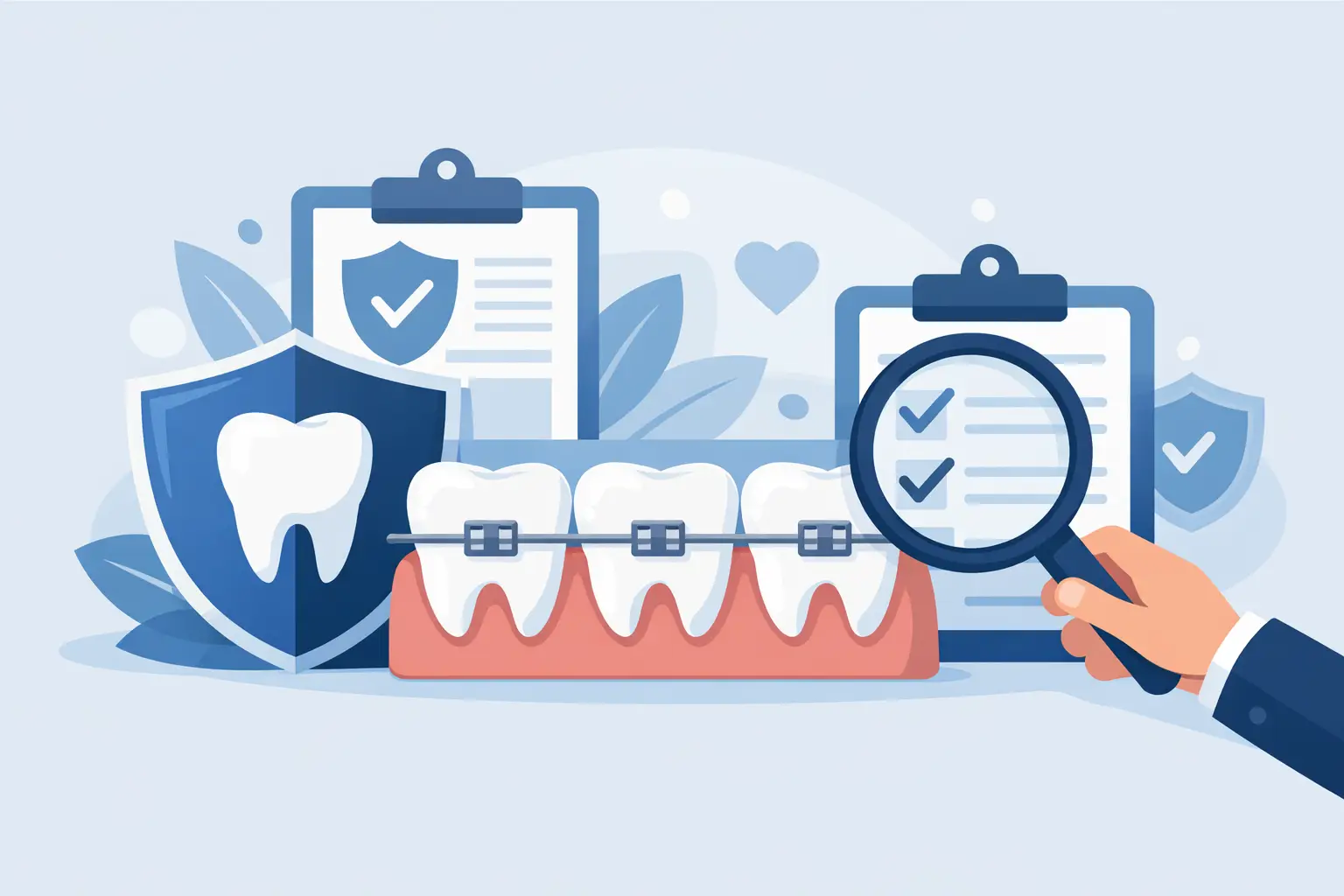
Dental insurance for braces can reduce orthodontic expenses, but simply seeing “orthodontic coverage” in a plan brochure does not tell you how much the plan will actually help.
Orthodontic benefits frequently have separate rules, including age restrictions, waiting periods, provider-network requirements, and lifetime benefit limits. Some dental insurance plans do not cover orthodontic treatment at all.
Before enrolling, compare the plan’s total cost with the benefit you could realistically receive. Confirm the details with both the insurance company and orthodontic office before starting treatment.
Quick Answer: How Does Dental Insurance for Braces Work?
When a dental plan includes orthodontic benefits, it may pay a percentage or scheduled amount toward eligible braces treatment. However, payments remain subject to the plan’s eligibility requirements, exclusions, network rules, and benefit limits.
Orthodontic coverage commonly has a separate lifetime maximum. Unlike an annual maximum, this benefit usually does not reset every year.
Coverage varies significantly between plans. Some policies cover only eligible dependent children, while others include adults. Waiting periods and treatment-in-progress rules can also determine whether the plan pays.
If you are unfamiliar with how dental plans generally pay for care, read our guide explaining how dental insurance works.
Key Takeaways
- Not every dental insurance plan covers braces.
- Adult orthodontic coverage is less widely available than coverage for dependent children.
- An orthodontic lifetime maximum usually does not renew each year.
- A waiting period may delay when orthodontic benefits become available.
- Treatment started before coverage begins may receive limited or no benefits.
- Using an in-network orthodontist may reduce the negotiated treatment fee.
- Clear aligner coverage depends on the specific plan and treatment provider.
- Compare total premiums and out-of-pocket costs before enrolling.
How Dental Insurance for Braces Usually Works
Braces are generally handled under orthodontic benefits rather than the preventive, basic, or major dental categories used for services such as cleanings, fillings, and crowns.
A dental plan may pay part of an eligible orthodontic treatment cost until it reaches a separate orthodontic lifetime maximum. This maximum is the most the plan will pay toward orthodontic treatment for that covered person under the applicable benefit rules.
For example, imagine an eligible treatment has an allowed cost of $5,000. If an illustrative plan pays 50% but has a $1,500 lifetime orthodontic maximum, the plan would not pay more than $1,500. Actual benefits depend entirely on the policy.
You may also need to pay a dental deductible before the plan begins paying for certain covered services. Check whether the deductible applies to orthodontic treatment.
What Orthodontic Coverage May Include
Depending on the plan, eligible orthodontic care may include traditional braces, certain appliances, diagnostic records, adjustments, or clear aligner treatment.
However, a plan may exclude particular appliances, cosmetic upgrades, retainers, replacement devices, or treatment considered outside its eligibility rules.
Confirm coverage for the exact treatment being proposed. Do not assume that coverage for traditional braces automatically means identical benefits for clear aligners.
Our broader guide about what dental insurance covers explains how plans may classify and pay for different dental services.
The Most Important Orthodontic Plan Limitations
| Plan detail | Why it matters | What to ask |
|---|---|---|
| Lifetime orthodontic maximum | Limits the total amount the plan may pay for orthodontic treatment. | What is the maximum per covered person? |
| Age eligibility | Some plans cover dependent children but exclude adults. | Is the patient eligible based on age and dependent status? |
| Waiting period | Benefits may not begin immediately after enrollment. | When will orthodontic benefits become available? |
| Provider network | In-network negotiated fees may reduce total costs. | Is the orthodontist in network for this exact plan? |
| Treatment-in-progress rules | Care started before the effective date may not receive full benefits. | Will the plan cover treatment that has already started? |
| Payment schedule | The insurer may pay benefits gradually during treatment. | Are benefits paid upfront or in installments? |
Lifetime Orthodontic Maximum
An orthodontic lifetime maximum is different from an annual maximum. An annual maximum generally limits what a dental plan pays during one plan year. A lifetime orthodontic maximum usually limits the total orthodontic benefit available to an eligible member and may not reset annually.
For a detailed explanation of yearly coverage limits, read our guide to the annual maximum in dental insurance.
Age Limits
Some plans provide orthodontic benefits only for eligible dependent children. Adult orthodontic coverage may be unavailable or offered under different limits.
If you are shopping for adult braces insurance, request written confirmation that adults are eligible before enrolling. Do not rely only on a general statement that the plan includes orthodontic benefits.
Waiting Periods
A waiting period is the time a member must remain enrolled before specified benefits become available. If braces are expected soon, a waiting period could prevent the plan from helping when treatment begins.
Check both the length of the waiting period and the plan’s rules for treatment recommended or started before that period ends.
Learn more about how these delays work in our dental insurance waiting period guide.
In-Network and Out-of-Network Orthodontists
An in-network orthodontist has agreed to the plan’s applicable fee arrangements. An out-of-network orthodontist has not, which may result in a higher patient responsibility.
Some PPO plans may provide benefits for both in-network and out-of-network providers. However, out-of-network treatment can cost more. Other plan types may provide little or no coverage outside their network.
Our comparison of PPO vs HMO dental insurance explains how plan type can affect provider choice and out-of-pocket costs.
Always confirm network participation directly with the orthodontic office and insurer. Make sure the office accepts the exact plan, not merely the insurance company.
Does Dental Insurance Cover Adult Braces?
Some dental plans cover adult orthodontic treatment, but many do not. Other plans may provide different benefits for adults and dependent children.
Adults should verify:
- whether adult orthodontics is included;
- the applicable lifetime maximum;
- the waiting period;
- whether clear aligners are eligible;
- whether recommended or started treatment is covered;
- which nearby orthodontists participate in the network.
If you are buying coverage without employer benefits, our individual dental insurance guide explains the main plan options and limitations to compare.
Does Dental Insurance Cover Clear Aligners?
Coverage for clear aligners varies by plan. Some plans may treat eligible aligner treatment similarly to traditional braces. Others may limit reimbursement, exclude certain services, or require treatment through an eligible licensed provider.
Ask the insurer to explain how the specific proposed aligner treatment would be processed. Request a written treatment estimate from the provider whenever possible.
Confirm whether the benefit covers the entire aligner treatment, only certain services, or only the amount the plan would have paid for traditional braces.
What If Orthodontic Treatment Already Started?
Changing or buying dental insurance after braces treatment begins can create complications. A new plan may exclude treatment already in progress, calculate a reduced benefit, or apply special treatment-in-progress rules.
Orthodontic benefits may also be paid gradually throughout treatment. If coverage ends, remaining scheduled payments may stop, depending on the policy.
Before switching plans, ask the current insurer, new insurer, and orthodontic office how the change could affect future payments. Request written confirmation whenever possible.
How to Compare the Real Cost of Braces Coverage
Do not compare plans using only the advertised orthodontic benefit. Estimate the total amount your household would pay during the expected treatment period.
Estimated insured cost:
Total premiums during the expected enrollment period + deductible or copays + remaining treatment cost after insurance.
Estimated self-pay cost:
Provider’s written treatment estimate minus any available cash or payment-plan discount.
Also consider benefits the dental plan may provide for routine care used by other family members. A plan that offers limited orthodontic savings could still provide broader household value, but only when the complete numbers make sense.
Use our step-by-step guide to learn how to calculate dental plan costs before choosing coverage.
When Dental Insurance for Braces May Be Worth It
Coverage may be valuable when:
- the patient is clearly eligible;
- treatment will begin after any waiting period;
- the lifetime maximum provides meaningful savings;
- a preferred orthodontist is in network;
- you expect to keep the plan throughout treatment;
- the plan also provides useful benefits for other dental care.
Coverage may provide limited value when treatment must begin immediately, adult orthodontics is excluded, the benefit is small compared with additional premiums, or no practical in-network orthodontist is available.
Families should also consider the needs of every covered member. Our guide to dental insurance for families explains how to compare coverage when household members have different dental needs.
Alternatives If Insurance Is Not the Best Fit
Orthodontic Office Payment Plans
Many orthodontic offices allow patients to spread payments across the treatment period. Terms vary, so ask about the down payment, monthly payment, interest, fees, and what happens if treatment changes.
Dental Discount Plans
A dental discount plan is not insurance. It may provide reduced fees from participating providers, but the patient remains responsible for paying the discounted cost.
Before joining, confirm that a nearby participating orthodontist accepts the discount plan and ask for an estimate of the actual reduced treatment fee.
Cash and Family Discounts
Some practices may offer discounts for upfront payment or multiple family members. Availability and terms depend on the provider.
Our comparison of using a cash dentist vs a dental plan can help you evaluate whether paying directly may offer better value.
FSA or HSA Funds
Eligible orthodontic expenses may sometimes be paid using funds from a flexible spending account or health savings account. Check current IRS rules and your account documents before relying on this option.
Questions to Ask Before Choosing a Plan
- Does this plan include orthodontic benefits?
- Are adults covered, or only eligible dependent children?
- What is the lifetime orthodontic maximum?
- Is there an orthodontic waiting period?
- Does the plan cover clear aligners?
- Is treatment already recommended or started eligible?
- How are orthodontic claims paid?
- What happens to payments if coverage ends?
- Which local orthodontists are in network?
- Can the orthodontic office request a pre-treatment estimate?
Final Thoughts: Choosing Dental Insurance for Braces
Dental insurance for braces can help, but orthodontic coverage is only valuable when its rules match the patient, provider, treatment, and timing.
Before enrolling, compare premiums, age eligibility, waiting periods, lifetime maximums, network savings, exclusions, and treatment-in-progress provisions. Then request a written treatment estimate and confirm the expected insurance benefit.
Continue exploring our guides about dental deductibles, waiting periods, and calculating total plan costs before making a decision.
This article is for informational purposes only and does not replace advice from a licensed dentist, insurance provider, benefits administrator, or qualified professional. Dental coverage, costs, eligibility, and benefits can vary by plan, provider, location, and policy terms.
Frequently Asked Questions About Dental Insurance for Braces
Does dental insurance cover braces?
Some dental plans include orthodontic benefits, while others exclude braces. Coverage depends on the specific policy and the patient’s eligibility.
Does dental insurance cover braces for adults?
Some plans cover adult orthodontics, but adult coverage is less widely available. Confirm adult eligibility in the plan documents before enrolling.
What is an orthodontic lifetime maximum?
It is the maximum total amount a plan may pay toward eligible orthodontic care for a covered person under the plan’s rules. It generally does not renew annually.
Do orthodontic benefits have waiting periods?
Some plans apply waiting periods before orthodontic benefits become available. Other plans may not. Check the policy’s effective-date rules.
Will dental insurance cover braces already in progress?
Coverage varies. A new plan may exclude existing treatment, provide a reduced benefit, or apply special treatment-in-progress rules.
Does dental insurance cover clear aligners?
Some plans may cover eligible clear aligner treatment, while others limit or exclude it. Verify the exact treatment with the insurer.
Can I use an out-of-network orthodontist?
That depends on the plan. Some PPO plans may provide out-of-network benefits, but the patient’s cost can be higher.
Is dental insurance for braces worth it?
It may be worthwhile when the available benefit and network savings exceed the additional premiums and other costs. Compare the complete cost before enrolling.
Sources and References

Alex Carter
Alex Carter is an editor at Dental Coverage Guide, where he reviews dental insurance and dental coverage content for clarity, readability, and practical value. He focuses on helping U.S. readers better understand dental plan costs, coverage limits, provider networks, waiting periods, and plan options.