
Buying dental coverage on your own can look simple at first. Then you start comparing the details. One plan has a low monthly premium but a 12-month waiting period on crowns. Another covers cleanings well but requires you to switch dentists. A third looks affordable until you notice the annual maximum is $1,000 — which runs out after one crown and a couple of fillings. If you want to buy individual dental insurance without overpaying or choosing weak coverage, the goal is not just to find a plan. It is to understand what you are buying before you enroll.
Key Takeaways
- Individual dental insurance is available to anyone without an employer plan — no open enrollment window, available year-round from most carriers.
- Standard plans follow a 100/80/50 structure: 100% preventive, 80% basic restorative, 50% major services. Only preventive is covered from Day 1.
- The annual maximum ($1,000–$2,000 on most plans) is the most overlooked number. One crown + root canal averages $2,564 — a $1,000 annual max runs out halfway through.
- Always verify your dentist’s network participation before enrolling. Provider directories can lag 30–60 days behind actual changes.
- Self-employed workers and 1099 contractors can deduct 100% of premiums on Schedule 1, Line 17 of Form 1040.
What to Know Before You Buy Individual Dental Insurance
Before you compare plans, start with your likely dental needs over the next 12 months. Do not start with the monthly premium. If you only expect cleanings, exams, and routine X-rays, a lower-cost plan with strong preventive coverage may be enough. But if you think you may need a crown, root canal, gum treatment, denture, or orthodontic care for a child, the fine print matters much more.
This is where most buyers make a mistake. They shop for dental insurance the way they shop for a streaming subscription: lowest monthly price, sign up, move on. Dental coverage does not work that simply. A cheaper plan can leave you paying more if it has a narrow network, long waiting periods, weak major-service coverage, or a $1,000 annual maximum that runs out after one significant procedure.
A better approach is to compare plans around five questions before you look at a single premium number:
- Can I use a dentist I trust (is my current dentist in network)?
- What does preventive care cost, and is it covered from Day 1?
- Are there waiting periods for basic or major services, and how long?
- How much will the plan pay in a benefit year (annual maximum)?
- What could my total yearly cost look like if I need treatment?
Work through those five questions for each plan you consider. The right answer usually becomes obvious before you even reach the checkout page.
The Three Types of Individual Dental Plans
When you try to buy individual dental insurance, you will see three common options: PPO plans, DHMO plans, and dental discount plans. They are not the same thing, and the cheapest option is not always the best fit.
| Plan Type | Typical Monthly Cost | Best For | Main Trade-Off |
|---|---|---|---|
| PPO Dental Plan | $19–$45 | Flexibility, keeping your current dentist | Higher premium than HMO |
| DHMO / HMO Plan | $8–$22 | Lowest monthly cost, simple network | Must choose a primary dentist, no out-of-network |
| Dental Discount Plan | $8–$15 | Immediate savings, no waiting periods | Not insurance — you still pay the discounted rate yourself |
PPO plans are the most flexible. You can usually visit both in-network and out-of-network dentists, though staying in network costs less. This matters if you already have a dentist you want to keep. The trade-off is cost — PPO premiums run $19–$45/month and come with deductibles, coinsurance, and annual maximums.
DHMO plans focus on lower monthly costs and a more structured network. You choose a primary dentist and receive care through that system. This works well if affordability is the priority and there are good participating dentists near you. The downside: if your preferred dentist is not in the network, the lower premium stops being a bargain.
Dental discount plans are not insurance. You pay a membership fee ($8–$15/month or $100–$200/year) and get reduced rates from participating dentists — typically 20–50% off standard fees. No deductibles, no waiting periods, no claims. But you still pay the discounted fee yourself every visit. A root canal that normally costs $1,165 might cost $700 — you pay $700, not $0. Useful as a bridge while waiting out an insurance waiting period, but not a replacement for insurance. See dental discount plan vs insurance for a full comparison.
How Coverage Actually Works: The 100/80/50 Structure
Every standard individual dental PPO plan in the US follows the same coverage framework. Understanding it prevents the most common buyer mistake — expecting full coverage on a plan that only covers 50% of the procedure you actually need.
The 100% for preventive is genuine — no deductible, no coinsurance, covered immediately. For everything else, you share the cost. The key details: coinsurance percentages, waiting periods, and annual maximums. These three numbers determine whether a plan is actually useful for your situation.
The Annual Maximum: The Most Overlooked Detail
The annual maximum is the total amount the plan will pay for covered services during a benefit year. Once you hit that limit, you pay the rest yourself. Most base-tier individual plans cap at $1,000/year. Some mid-tier plans reach $1,500–$2,000.
Here is why this matters more than any other single number: a crown averages $1,100–$1,400 (Guardian/Synchrony 2024). A root canal on a molar averages $1,165. If you need both in the same year — which is common, since root canals often lead to crowns — your total treatment cost is roughly $2,265–$2,564. A $1,000 annual max runs out before you finish the crown. A $2,000 annual max barely covers both. At 50% coinsurance, you’re paying $1,132–$1,282 out of pocket even with a $2,000 max plan.
If you expect significant restorative work, look for plans with $2,000+ annual maximums. Guardian Direct, some Ameritas tiers, and Delta Dental premium plans offer $2,000 annual maximums at mid-tier pricing. For more on how this plays out in real procedures, see the annual maximum dental insurance guide.

Why Waiting Periods Matter Before You Enroll
Waiting periods are the biggest frustration for first-time buyers. Most individual dental plans cover preventive care from Day 1 but impose waiting periods on everything else:
- Preventive: covered immediately — cleanings, exams, X-rays, fluoride
- Basic restorative: typically 6 months — fillings, simple extractions
- Major services: typically 12 months — crowns, root canals, bridges, dentures
If you already know you need a crown, a standard plan with a 12-month waiting period means you pay out of pocket for that crown regardless of the plan. The plan won’t help until Month 13. Two options if you need major work now: Spirit Dental (no waiting period on major services, higher premium at $35–$75/month), or a dental discount plan as a bridge while an insurance plan’s waiting period clears. For a full comparison of no-waiting-period options, see best dental insurance with no waiting period.
One underused rule: some plans waive waiting periods if you had prior continuous dental coverage. Ask before enrolling — it’s worth a 5-minute call to confirm.
Network Size Can Make or Break a Plan
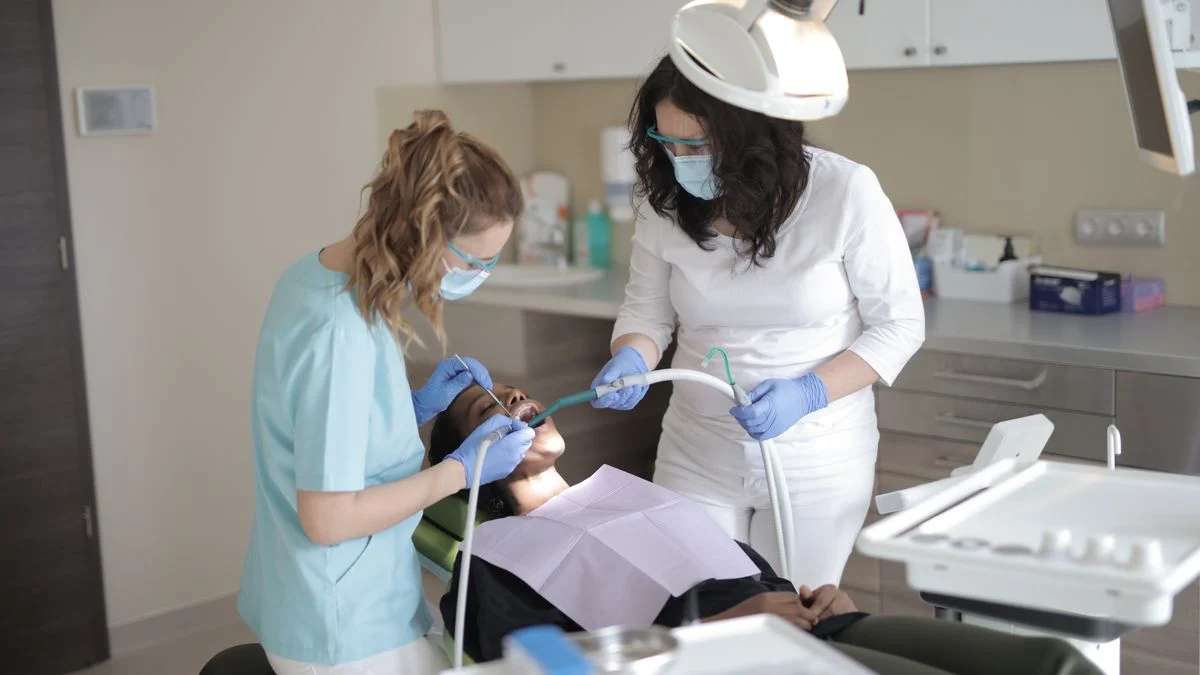
A plan is only useful if there are dentists near you who accept it and are taking new patients. Provider network size varies significantly between carriers:
Start by asking whether your current dentist is in network. If you do not have a dentist, check whether there are participating providers near your home or work. Also look at whether specialists are available if you may need oral surgery, periodontics, or endodontics. Verify participation directly with the dental office — provider directories can lag 30–60 days behind actual changes.
Red Flags to Watch for in Any Plan
Some plans look attractive in ads but lose value once you read the details. Watch for these patterns before enrolling:
- Low premium + low annual maximum: a $12/month plan with a $500 annual maximum is almost useless for anything beyond cleanings.
- Vague coverage language: if a plan description doesn’t clearly state the coinsurance percentage for major services, assume it’s unfavorable. Good plan documents are specific.
- Missing major-service coverage: some budget plans cover only preventive and basic, with no coverage for crowns, root canals, or dentures. Check explicitly.
- Discount plan marketed as insurance: look for whether the plan pays claims (insurance) or just gives you discounted rates (discount plan). The terminology matters.
- Frequency limits buried in fine print: preventive coverage may be capped at 2 cleanings per year or X-rays once every 12–24 months. This is standard, but check before assuming unlimited preventive access.
- No clear network information: any plan that won’t let you search for local providers before you buy is a red flag.
How to Choose Based on Your Situation
There is no single best plan for everyone. The right plan depends on what kind of buyer you are.
If you mainly want preventive care — you’re healthy, see the dentist regularly, and mainly need cleanings and exams — a lower-cost plan may be enough. Focus on preventive coverage, frequency limits (2 cleanings/year is standard), and whether your dentist is in network. You don’t need to pay for richer major-service benefits if you have no reason to expect larger treatment soon.
If you haven’t been to the dentist in a while — assume you may need more than a cleaning. You may want a plan with stronger basic-service coverage, a manageable deductible, and shorter waiting periods. A cheap plan is risky here if it delays coverage for fillings or periodontal care you may need after your first exam.
If you already know major work is coming — focus on timing, annual maximum, and major-service coverage. If you need a crown in the next 3 months, a standard plan won’t help — look at Spirit Dental’s no-waiting-period option or a dental discount plan as a bridge. If you can wait 12 months, enroll now so the clock starts, and budget for the procedure out of pocket in the interim.
If you’re buying for a family — provider access and pediatric benefits matter more than the lowest monthly price. Check sealant coverage, orthodontic benefits for children, and whether multiple family members can use the same network without hassle. A plan that works for one healthy adult may not fit a household with children at different stages. See dental insurance for families for a full breakdown.
If you’re self-employed or a 1099 contractor — remember that 100% of your dental premium is deductible on Schedule 1, Line 17 of Form 1040. At a 22% tax bracket, a $35/month plan costs roughly $27.30/month net. This deduction applies to all carriers and all individual dental plan types.
A Simple Way to Compare Plans Before You Enroll
When you narrow your options to two or three plans, run each through the same checklist and estimate your likely yearly cost under each one:
- Monthly premium × 12 = annual premium
- Add: expected deductible (usually $50–$150 on a PPO)
- Add: your 20% share on any expected fillings
- Add: your 50% share on any expected major work
- Compare that total against the plan’s annual maximum and coverage limits
This method is more useful than comparing premiums alone because it reflects how dental insurance actually works. A $42/month plan might look worse than a $20/month plan on paper, but if the $42 plan has a $2,000 annual max and shorter waiting periods, it could save you $800+ in the year you need a crown.
For a step-by-step comparison framework applied to the top carriers, see how to compare dental insurance plans. For the full carrier breakdown by coverage tier and network, see the best individual dental insurance guide.
If you’re buying coverage as an older adult, the calculus shifts — annual maximums and waiting periods matter more than premium alone. See our best dental insurance for seniors breakdown for that angle specifically.
Frequently Asked Questions
What should I check before I buy individual dental insurance?
Check the monthly premium, deductible, annual maximum, waiting periods for basic and major services, provider network, and coverage percentages (100/80/50 is standard). Confirm your current dentist is in network before enrolling — call the office directly to verify, since online directories can lag 30–60 days behind actual participation changes.
Is individual dental insurance worth it?
It depends on how you expect to use it. If you get regular cleanings, the preventive coverage alone (2 cleanings + exam + X-rays = $300–$500/year at standard rates) often justifies a $27–$35/month premium. If you expect major work, the 50% coinsurance and annual maximum limit the value — the plan reduces your bill but doesn’t eliminate it. Estimate your expected dental costs for the year before choosing a plan tier.
What type of individual dental insurance is best?
PPO plans are the most versatile for individual buyers — they let you keep your current dentist, cover both in-network and out-of-network care at different rates, and are available from most carriers. DHMO plans work if lowest monthly cost is the priority and your area has good participating dentists. There is no universal best plan; the right choice depends on your dentist, your expected care, and your budget.
Can I buy individual dental insurance if I already need dental work?
Yes, but standard plans have waiting periods for major services — typically 12 months for crowns, root canals, and dentures. The plan will not cover that specific work until the waiting period clears. If you need treatment now, Spirit Dental offers no-waiting-period plans at higher premiums ($35–$75/month). A dental discount plan can reduce costs immediately while an insurance plan’s waiting period runs.
Do individual dental plans cover preventive care right away?
Yes — virtually every standard individual dental plan covers preventive care (routine cleanings, exams, X-rays, fluoride) from Day 1 with no deductible and no coinsurance. Most plans cover 2 cleanings per year. Frequency limits apply, so verify the exact schedule in the plan documents before assuming unlimited preventive visits.
What is the difference between dental insurance and a dental discount plan?
Dental insurance pools risk and pays claims according to a coverage schedule (deductible, coinsurance, annual maximum, waiting periods). A dental discount plan is not insurance at all – it is a membership program that gives you a fixed percentage off a participating dentist’s fees, with no claims, no annual maximum, and no waiting period, but also no risk-sharing if you need expensive major work.
This article is part of the Types of Dental Plans guide. Related reading in this series: How dental insurance works — How to choose dental coverage — Waiting periods explained — What dental insurance covers — Dental insurance exclusions. Cross-silo: Average dental insurance cost 2026 — PPO vs HMO dental plans.