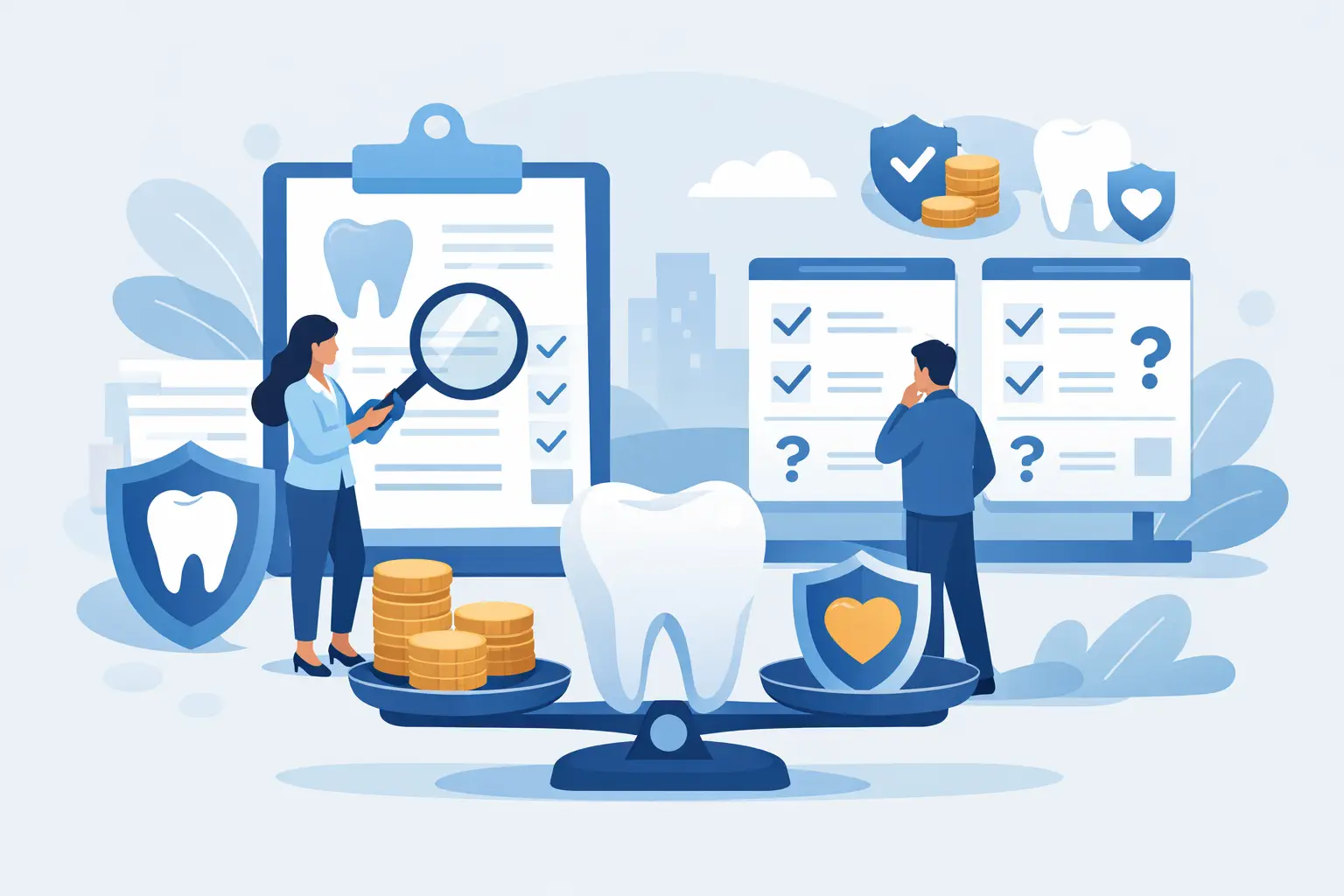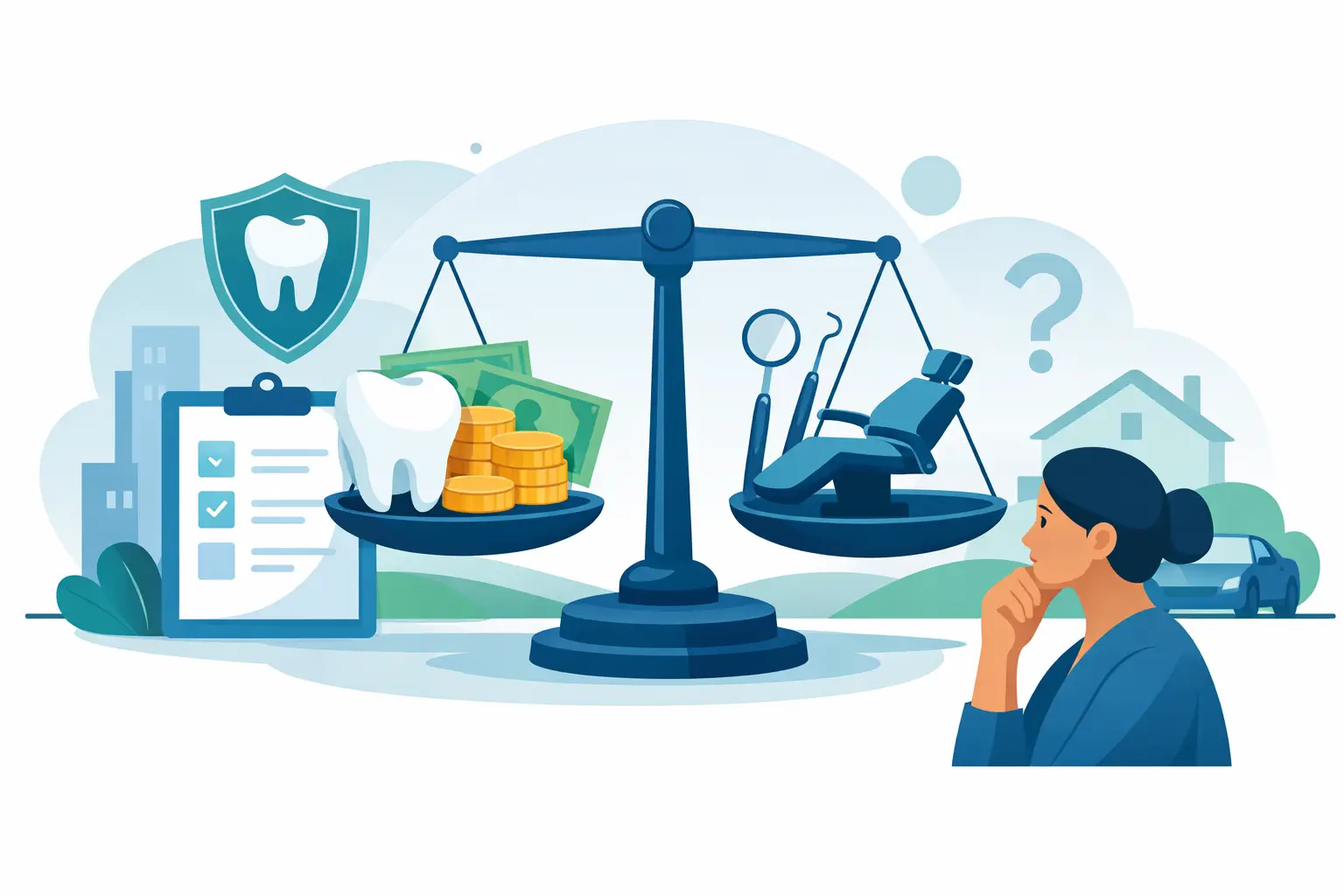


Paying for your own benefits changes how you look at dental coverage fast. When you need to choose dental plan as freelancer, the cheapest monthly premium is not always the cheapest option, and the broadest coverage is not always the best fit either. What matters is how a plan matches your actual dental needs, your cash flow, and how much flexibility you want when it is time to book care.
For freelancers, dental coverage is less about checking a benefits box and more about managing risk. A plan can help you budget for cleanings and exams, reduce the cost of fillings or crowns, and make larger bills less disruptive. But every plan comes with trade-offs, especially around networks, waiting periods, annual maximums, and what the plan pays for major work.
How to choose dental plan as freelancer
A good starting point is to stop thinking about dental plans as all-purpose products. They work best when you buy them for a specific use case. If you mainly want preventive care and a lower monthly cost, one type of plan may make sense. If you already know you may need more expensive treatment, the right choice may look very different.
Before comparing plan details, ask yourself three practical questions. How often do you go to the dentist? Do you expect only routine care, or is there a decent chance you will need fillings, root canals, crowns, or gum treatment? And can you handle a larger bill out of pocket if coverage is limited in the first year?
Those answers shape everything else. Someone who gets regular checkups and has healthy teeth may prioritize low premiums and a simple network. A freelancer who has delayed care because of cost may need to focus more on waiting periods, coverage for basic and major services, and the plan’s annual maximum.
Start with your likely dental use, not the premium
Premiums get attention because they are easy to compare. But a $20 difference in monthly premium matters less than a plan that saves you hundreds on actual treatment. The right way to compare plans is to estimate your likely use over the next 12 months.
If you expect preventive care only, many plans can work. Preventive services are often covered at a high level, sometimes even without a deductible, though plan details vary. In that case, the biggest issues may be whether your preferred dentist is in network and whether the premium feels reasonable.
If you think you may need fillings, extractions, or periodontal care, look closely at basic services. Plans often cover these at a lower percentage than preventive care, and some have waiting periods before benefits apply. If you may need a crown, bridge, denture, or root canal, details become even more important. A plan may advertise coverage, but the waiting period, annual maximum, or coinsurance can still leave you with substantial out-of-pocket costs.
This is where many freelancers get frustrated. A plan can sound generous until you notice that major services are covered at 50 percent after a 12-month waiting period, with a low annual maximum. That is not useless coverage, but it may not solve the problem you are trying to solve right now.
PPO, HMO, or discount plan?
For most independent buyers, this is the first big fork in the road.
A PPO usually offers more flexibility. You can often choose from a wider dentist network and may still have some coverage for out-of-network care, depending on the plan. Premiums are often higher, but PPOs can be easier to live with if you want provider choice or already have a dentist you like.
A dental HMO, sometimes called a DHMO, usually has lower premiums and can work well for routine care if you are comfortable using a smaller network and following the plan’s rules. These plans can be budget-friendly, but they are less forgiving if your preferred dentist is not in network or if you want more freedom in where you go.
A discount dental plan is not insurance, but it can still be worth considering. Instead of paying claims, it gives you reduced rates with participating dentists. That can appeal to freelancers who want lower upfront cost, no waiting periods in some cases, and predictable discounts. The trade-off is that there is no insurance-style cost sharing, so the value depends heavily on the dentist fees in that network and the procedures you need.
The four details that matter most
When people compare dental plans, they often get lost in long benefit charts. A simpler approach is to focus on four details first.
The first is the network. If your dentist is not in network, a low premium may not help much. Even if you are open to switching dentists, make sure there are enough in-network options near you. Provider choice matters more when your schedule is irregular, which is common when you freelance.
The second is the waiting period. This is especially important if you are buying coverage because you expect treatment soon. Some plans make you wait several months for basic services and up to a year for major care. If you need work quickly, a plan with a shorter waiting period or a discount plan may be more useful than a plan with stronger benefits on paper.
The third is the annual maximum. Many dental insurance plans cap how much they will pay each year. Once you hit that amount, the rest is on you. If you expect expensive treatment, a low annual maximum can sharply limit the plan’s value.
The fourth is cost sharing. Look at the deductible, the coinsurance for basic and major services, and any copays if you are considering an HMO-style plan. Two plans with similar premiums can lead to very different total costs once treatment starts.
What freelancers often overlook
Freelancers tend to think carefully about monthly expenses, but dental plans also affect timing. If your income changes month to month, a plan that spreads some costs out over time may feel easier to manage than paying everything at once. On the other hand, if cash flow is tight and you do not expect much treatment, paying a premium all year for limited use may not be the best fit.
Another common oversight is buying a plan mainly for one major procedure without checking the limitations. If you already know you need a crown, for example, check whether the plan covers it in the first year, whether there is a missing tooth clause, how much the plan pays, and whether the annual maximum would cover much of the bill. A lot of disappointment comes from assuming coverage begins immediately and works like medical insurance. Dental coverage often does not.
Compare total value over one year
The easiest way to make a practical decision is to compare likely total spending, not just premiums. Add up the annual premium, the deductible if applicable, and your estimated share of the procedures you actually expect to need. Then compare that against going without insurance or using a discount plan.
This does not need to be perfect. Even a rough estimate can make the choice clearer. If one plan costs a bit more each month but includes your dentist, has no long waiting period for basic services, and leaves you paying much less for expected care, that is probably the better value.
If your needs are uncertain, lean toward flexibility. A PPO may be worth the extra cost if it gives you a stronger network and fewer headaches. If your main goal is affordable preventive care and you are comfortable with network limits, an HMO may be enough. If you want immediate access to negotiated rates and do not mind paying directly for care, a discount plan may fit better.
A simple way to narrow your options
If you are stuck between several plans, eliminate the ones that fail on your non-negotiables. That might be your dentist not being in network, a waiting period that is too long, or an annual maximum that is too low for your likely treatment.
Then compare the remaining options based on how you actually use care. Someone with no current dental issues should not overpay for major-service benefits they may never use. Someone who has postponed treatment should be careful about buying the absolute cheapest option and discovering it does very little when the bill arrives.
That is the real goal when you choose dental plan as freelancer. You are not trying to find a perfect plan. You are trying to find one that fits your budget, your provider preferences, and the kind of care you are realistically likely to need.
A good dental plan should make the next year feel more predictable, not more confusing. If a plan’s rules are hard to understand before you enroll, that is usually a sign to keep looking until the trade-offs feel clear and manageable.