
Choosing dental coverage can get frustrating fast. Two plans may have similar monthly premiums, but one has a long waiting period for basic care, while the other limits your dentist choices. If you are trying to figure out how to compare dental insurance plans, the goal is not to find the cheapest option on the page. It is to find the plan that makes sense for your dental needs, budget, and timeline.
That matters even more if you are buying coverage on your own. Freelancers, self-employed workers, and families without employer benefits usually do not have a benefits department narrowing the choices. You have to sort through premiums, deductibles, annual maximums, and network rules yourself. The good news is that once you know what to compare, most plans become easier to evaluate.
How to compare dental insurance plans without missing the details
A useful comparison starts with your own situation, not the insurer’s marketing language. Before you look at plan documents, think about the care you are likely to need in the next 12 months. If you mostly want cleanings and exams, your best plan may look very different from the best plan for someone who expects fillings, a crown, or oral surgery.
Start by asking a few practical questions. Do you already have a dentist you want to keep? Do you need coverage right away, or can you wait through a waiting period? Are you mainly trying to protect against larger bills, or keep routine care affordable? Those answers help you focus on the features that matter instead of getting distracted by low introductory pricing.
Compare total cost, not just the monthly premium
The monthly premium is the first number most people notice, but it is only part of the cost. A lower-premium plan can still be more expensive overall if it comes with a high deductible, low coverage percentages, or a small annual maximum that leaves you paying out of pocket sooner than expected.
When comparing plans, look at the full cost structure together: premium, deductible, copays or coinsurance, and annual maximum. A plan with a slightly higher premium may provide better value if it covers preventive care in full, pays a larger share of basic services, and gives you a higher yearly benefit cap.
For example, suppose one plan costs less each month but only pays 50% for fillings after a waiting period and caps benefits at a low annual maximum. Another plan costs more upfront but offers no deductible for preventive care and stronger basic coverage. If you expect any non-routine treatment, the second plan could save you more over the year.
Check what each plan covers by service category
Most dental insurance plans group care into categories such as preventive, basic, and major services. Preventive care often includes exams, cleanings, and X-rays. Basic services may include fillings and simple extractions. Major services usually include crowns, root canals on some plans, dentures, or bridges, though classifications can vary.
This is where comparison gets more specific. One plan might cover preventive services at 100% but only pay 50% for major work. Another might offer stronger basic coverage but impose stricter limits on major procedures. You also want to read the fine print on frequency limits. A plan may cover two cleanings per year, one set of bitewing X-rays annually, or replacement of crowns only after a certain number of years.
If you know you may need a particular procedure, do not assume it is covered just because the plan says it includes major services. Look for the exact treatment terms and any waiting periods, exclusions, or downgraded benefit language.
Compare dental plan waiting periods and timing
Waiting periods can make an affordable-looking plan less useful if you need care soon. Many plans cover preventive services right away but require you to wait several months for basic services and longer for major procedures. If you already know you need a filling or crown, timing matters just as much as price.
This is one of the biggest trade-offs for independent buyers. Plans with richer benefits sometimes come with stricter waiting periods, while other options may offer faster access but weaker long-term value. If your dental needs are immediate, a plan with shorter waiting periods may be worth more than a plan with better theoretical coverage that you cannot use yet.
Also check effective dates. Some plans start quickly, while others begin on the first of the next month or follow a set enrollment schedule. If you are coordinating coverage around a planned appointment, those details matter.
Network size and dentist choice matter more than many shoppers expect
A plan can look strong on paper and still be a bad fit if your dentist does not accept it. That is why network rules should be near the top of your checklist.
With a PPO, you generally get more flexibility to use out-of-network providers, but you will usually save more with in-network dentists. With a DHMO, costs may be lower and more predictable, but you usually need to stay within the plan network and may have to choose a primary dentist. Discount dental plans work differently from insurance and give members reduced fees from participating dentists rather than traditional reimbursement.
There is no single best structure for everyone. If keeping your current dentist is important, network access may outweigh a small premium difference. If your main goal is reducing routine costs and you are comfortable switching dentists, a narrower network may be acceptable.
When you compare provider networks, do not stop at whether a dentist appears in a directory. It helps to confirm that the office is currently accepting that plan and can schedule new patients in a reasonable timeframe.
Look closely at annual maximums and deductibles
Annual maximums are one of the most overlooked parts of dental insurance. This is the maximum amount the plan will pay toward your covered care during the benefit year. After that, you pay the rest yourself.
A low annual maximum may be enough if you only expect preventive visits. It can become a problem if you need more expensive restorative work. That is why people comparing plans for possible crowns, root canals, or multiple fillings should pay special attention here.
Deductibles also vary. Some plans waive the deductible for preventive care, which can make checkups more affordable even if the deductible applies to other services. Others apply the deductible more broadly. Neither setup is automatically better, but you should know how it affects the services you expect to use.
How to compare dental insurance plans for your real needs
The most reliable way to compare plans is to match them to likely use, not idealized use. If you are a healthy adult who mainly wants cleanings and exams, prioritize preventive coverage, a manageable premium, and easy network access. If you have delayed dental work and expect treatment soon, focus more on waiting periods, annual maximums, and coverage percentages for basic and major care.
Families may need a slightly different lens. Pediatric benefits, orthodontic limitations, and the number of in-network providers nearby can matter as much as premium cost. A plan that works well for one adult may not be the best fit for a household with several people using care in the same year.
This is also where budget reality comes in. The best plan is not the one with the broadest benefits if the monthly premium strains your finances. A sustainable plan you can keep is usually better than a richer plan that feels difficult to afford after a few months.
A simple comparison method that keeps things clear
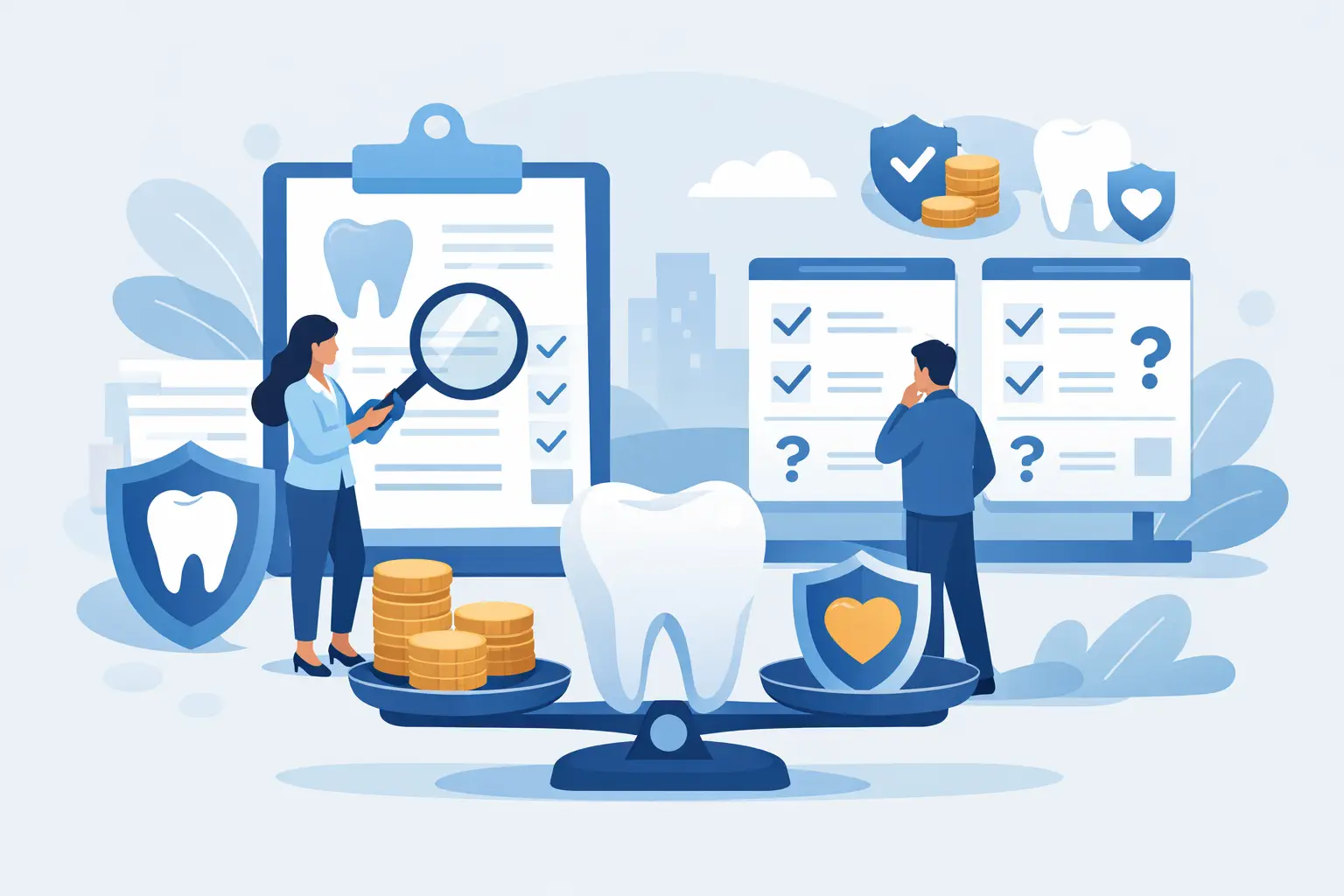
If you are reviewing several options, compare them side by side using the same categories each time: monthly premium, deductible, preventive coverage, basic coverage, major coverage, waiting periods, annual maximum, and network fit. DentalCoverageGuide.com often emphasizes this kind of structured comparison because it makes confusing plan details easier to judge in plain English.
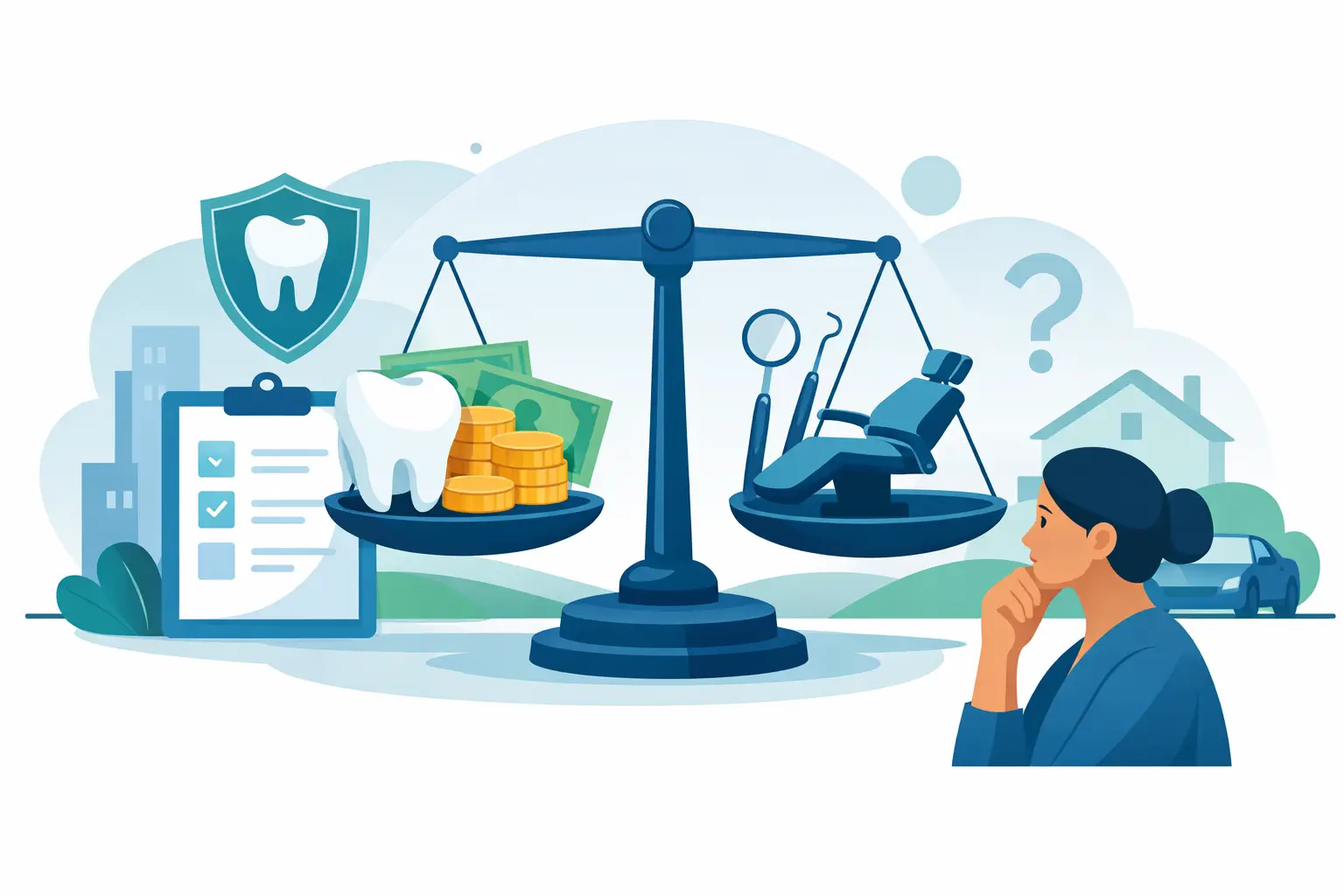
As you compare, watch for trade-offs rather than trying to find a perfect plan. One option may be cheaper but slower to use. Another may offer better coverage for fillings and crowns but restrict dentist choice. A third may be best for preventive care but weaker if bigger treatment comes up later. Seeing those trade-offs clearly is usually what leads to a better decision.
Insurance language can make plans sound more similar than they really are. When two options seem close, the tie-breakers are often practical ones: whether your dentist is in network, whether coverage starts soon enough, and whether the annual maximum is high enough for the work you may need.
Before you enroll, take one last pass through the plan details and make sure the numbers still make sense for your situation. The right plan is not always the most comprehensive or the least expensive. It is the one that fits your care needs, your provider preferences, and your budget without unpleasant surprises later.
A good comparison should leave you feeling calmer, not more confused. If a plan looks attractive only because one number is low, pause and check what the rest of the policy is asking you to give up.