

Key Takeaways
- Original Medicare never covers dental implants — not routine ones, and rarely even in unusual medical-necessity cases. That’s confirmed directly on Medicare.gov, not a gray area.
- Medicare Advantage sometimes covers implants, but rarely enough to matter. Guardian Life puts typical major-service coinsurance at 40-50%, while most dental annual maximums cap out at $1,500-$2,000 — on a $3,158-$6,533 implant, that gap is still yours.
- The missing tooth clause hits implants harder than any other procedure. If the tooth was already gone before your policy started, a standard plan can deny the claim entirely — and seniors are the group most likely to already have a gap.
A single dental implant costs $3,158 to $6,533 in 2026, according to Aspen Dental’s own pricing data. Original Medicare pays none of it. Medicare Advantage sometimes pays part of it. Neither gets most people to zero out of pocket.
If you’re comparing coverage because you already know you need an implant, or expect to soon, the fine print matters more than the premium. Here’s what each path actually covers, where the missing tooth clause changes the math, and which standalone plans are built for people who can’t afford to wait.
Does Medicare Cover Dental Implants for Seniors?
No. Original Medicare Parts A and B don’t cover dental implants under any routine circumstance. Medicare.gov states it plainly: “In most cases, Medicare doesn’t cover dental services like routine cleanings, fillings, tooth extractions (removals), or items like dentures and implants.” Humana’s own Medicare resource page repeats the same line almost word for word.
There’s one narrow exception, and it isn’t really about dental coverage at all. If dental work is required as part of a covered medical procedure — jaw reconstruction after cancer surgery, for example — Medicare Part A may cover the hospital portion of that treatment. It won’t cover an implant you need because a tooth failed or was lost to decay. That exception is rare enough that you shouldn’t plan around it.
What About Medicare Advantage?
Some Medicare Advantage plans include dental benefits that cover implants, but coverage is inconsistent and rarely closes the real cost gap. When a plan does cover implants as a “major service,” Guardian Life puts typical coinsurance at 40-50% of the cost, after your deductible and up to the plan’s annual maximum.
The annual maximum is where the math breaks down. Across dental PPO plans generally, NADP data shows about 65% cap annual benefits at $1,500 or more — a figure this site has already sourced and published on a related article about senior plan exclusions. Medicare Advantage dental riders track close to that same range.
That’s the pattern worth remembering: a plan can genuinely cover implants and still leave you owing more than half the bill, because the annual maximum — not the coinsurance rate — is what actually limits the payout on an expensive single procedure.
Coverage also depends on paperwork you don’t control. Humana’s own resource page on the topic notes that “if your dental implant is medically necessary, your dental insurance plan may cover some of the costs” — the word doing the work there is “medically necessary.” That’s a determination your dentist has to document and your plan has to approve, not something you can assume applies just because the procedure is on the covered list.
The Missing Tooth Clause Hits Hardest at Implants
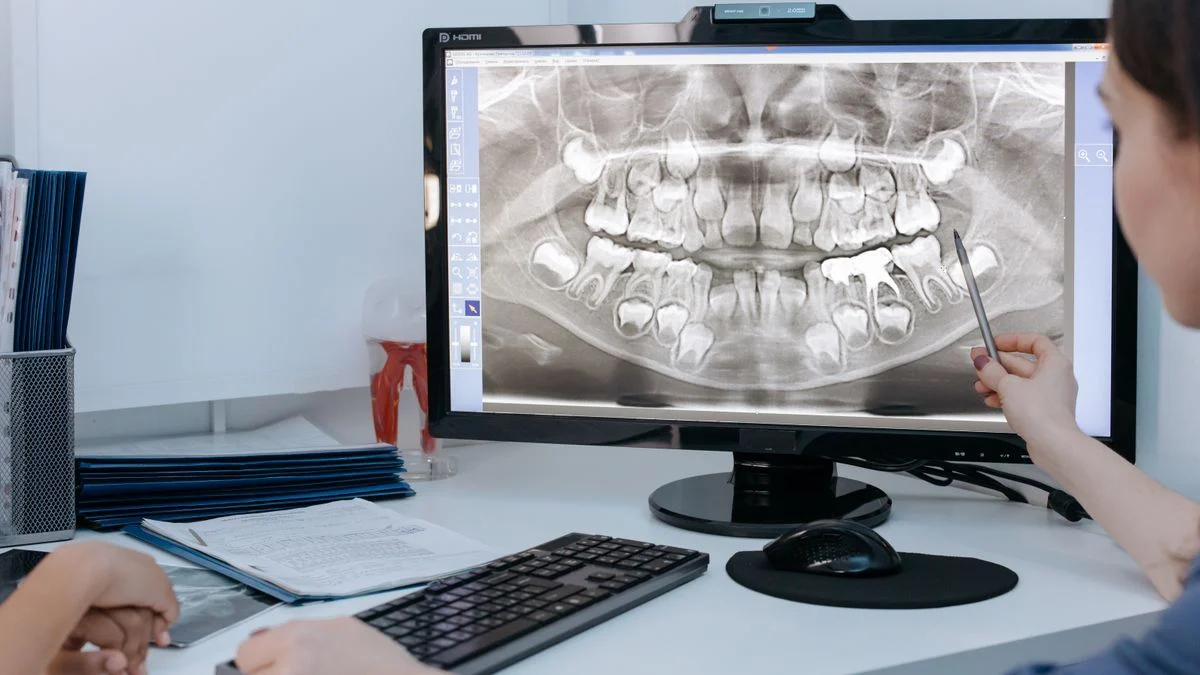
A missing tooth clause lets an insurer deny coverage for replacing a tooth if it was already gone before your policy started. It’s roughly estimated at 4 in 10 individual dental plans, according to dental-billing industry sources — this site covered the clause in depth in its guide to common exclusions in senior dental plans, and it applies to implants, bridges, and dentures alike.
Implants are where it costs the most. A denied bridge claim might mean a few hundred dollars out of pocket. A denied implant claim means the full $3,158-$6,533, with zero help from a plan you’re paying premiums on every month.
Why this matters more if you’re already missing a tooth: Everyone shopping for dental insurance risks running into a missing tooth clause eventually. Seniors are the group most likely to already have a gap by the time they’re comparing plans — which means this single clause can decide whether an implant is covered at all, not just how much.
Ask directly before you enroll: does this plan have a missing tooth clause, and would it apply to the tooth you already need replaced? Group plans, higher-tier individual plans, and plans with a longer track record of covering major work are more likely to waive it than budget individual plans are.
Standalone Plans That Actually Cover Implants
A handful of standalone dental plans are built specifically to avoid the waiting-period problem that traps most Medicare Advantage and group dental coverage. Spirit Dental states directly on its own coverage page: “Our dental insurance plans offer no waiting periods on preventive, basic and major care, including implants,” with next-day effective dates and coverage for the implant post, the abutment, and the replacement crown.
The tradeoff is that Spirit Dental’s annual maximum builds over time rather than starting at its full value — the company’s own site cites “$5,000 Max Coverage Year 3,” implying a lower cap in year one that climbs as you stay enrolled. Spirit doesn’t publish an exact coinsurance percentage for implants publicly; you’ll need a quote for that detail before comparing it dollar-for-dollar against a Medicare Advantage plan.
Mutual of Omaha is another carrier worth checking directly: its own guide to dental insurance for Medicare-age seniors names dental implants explicitly under periodontics coverage, alongside its standalone plan options. Neither carrier’s public page discloses every dollar figure you’d want before enrolling, so treat the quote request as a required step, not an optional one.
How to Choose, Based on Your Situation

If you already know which tooth needs replacing, start by asking every plan on your shortlist the missing tooth clause question directly — that answer eliminates options faster than comparing premiums does. A plan with a great price and an active missing tooth clause against your specific tooth is worth $0 to you for this procedure.
If you’re on Medicare Advantage already and your plan includes dental, call and ask for the exact coinsurance percentage and annual maximum for implants specifically, not just “major services” in general. If you’re comparing standalone options instead, see our full standalone dental insurance vs. Medicare Advantage dental breakdown for how the two paths differ beyond just implants.
If insurance still doesn’t close the gap, or you’re not covered at all, don’t rule out an implant automatically. Dental schools often provide implant treatment at a reduced cost through supervised student clinics, and some community health centers offer sliding-scale pricing based on income. Our guide on getting dental work done without insurance walks through those options in more detail if premiums aren’t realistic for your budget right now.
Frequently Asked Questions
Does Medicare cover dental implants for seniors?
No. Original Medicare Parts A and B don’t cover dental implants in routine circumstances, according to Medicare.gov. The only exception is when dental work is required as part of a covered medical procedure, such as jaw reconstruction — a narrow case, not a general path to coverage.
Does Medicare Advantage cover dental implants?
Sometimes, but rarely enough to close the cost gap. When a plan covers implants as a major service, Guardian Life reports typical coinsurance around 40-50%, capped by the plan’s annual maximum — often $1,500-$2,000 based on NADP dental benefit data. On a $3,158-$6,533 implant, that still leaves a real balance.
How much does Medicare pay for a tooth implant?
Original Medicare pays $0 toward a dental implant in virtually all cases. Medicare Advantage plans that include dental sometimes pay a portion, typically 40-50% coinsurance up to an annual cap around $1,500-$2,000 — not the full procedure cost on an implant averaging over $4,000.
What is the missing tooth clause, and how does it affect implant coverage?
It’s a policy provision letting an insurer deny coverage for replacing a tooth that was already missing before your policy started. Roughly 4 in 10 individual dental plans carry some version of it. Implants are the costliest procedure it affects, since a denial means the full $3,000-plus bill lands on you.
Is it worth getting dental implants later in life?
Functionally, yes for most people — implants restore chewing ability and prevent bone loss in ways dentures alone don’t. The insurance question is separate from the health question: even a plan that covers implants rarely eliminates the out-of-pocket cost, so the “worth it” decision should account for that gap rather than assume coverage handles it.
Bottom Line
Neither Medicare nor most Medicare Advantage dental benefits get you close to full implant coverage. Original Medicare pays nothing. Medicare Advantage sometimes pays a portion, capped well below the real cost. Standalone plans built around no waiting periods close the timing gap but come with their own annual-maximum ramp and a missing tooth clause worth checking before you enroll anywhere.
The plan that’s right for you depends on one question more than any other: do you already know which tooth needs work, and has it already been extracted? Answer that before comparing premiums.
See our full guide to the best dental insurance plans for seniors, or start with the Best Plans hub for the complete comparison set.
Related Guides: Not sure what a plan won’t cover? See our guide to common exclusions in senior dental insurance plans. Weighing standalone coverage against a Medicare plan generally? Read standalone dental insurance vs. Medicare Advantage dental. Curious what a no-waiting-period plan looks like beyond implants? See our honest review of Spirit Dental’s no-waiting-period plans.
This article is for informational purposes only and doesn’t replace a plan’s actual contract terms. Confirm coverage details, coinsurance percentages, and exclusions directly with the insurer before enrolling.